Key facts
- Lincoln, Maine, is redeveloping its former paper mill site into a technology park, with plans for a biorefinery and the world's largest battery system.
- Lincoln is implementing new policies requiring companies to establish funds for future closure and cleanup expenses.
- Jay, Maine, is facing uncertainty as developers may withdraw from a $550 million plan to convert its former paper mill into a data center.
- Governor Janet Mills supports a moratorium on data center projects while acknowledging disappointment over the setback in Jay.
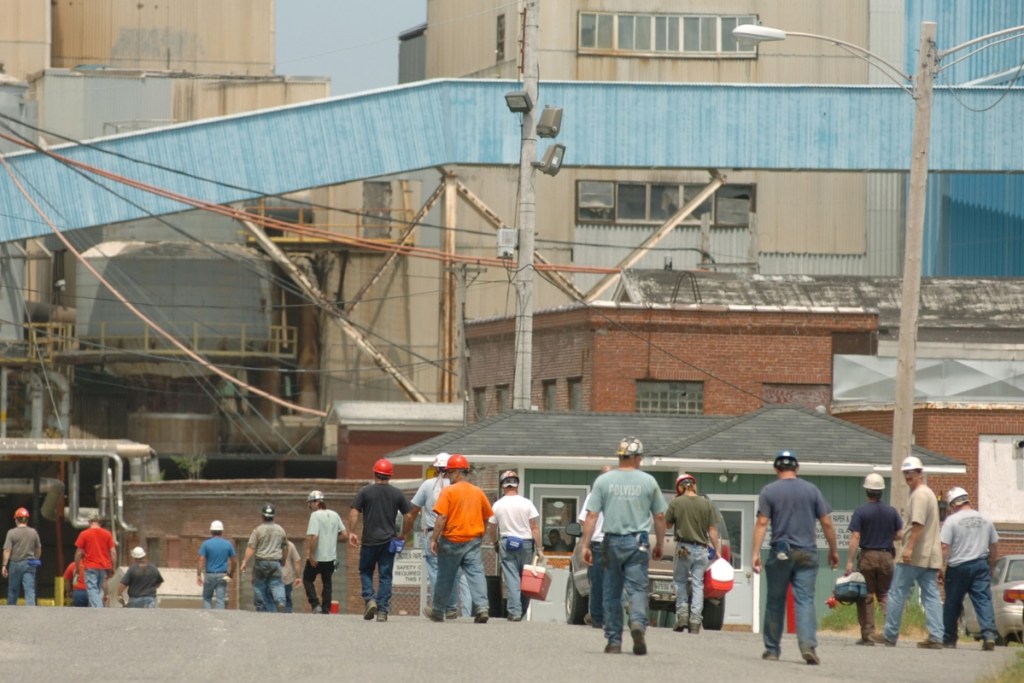
Two towns in Maine are grappling with the economic consequences and future planning challenges following the closure of major paper mills. In Lincoln, the town is actively redeveloping its former mill site into a technology park, aiming to avoid past mistakes by implementing new financial safeguards for future business closures. The town acquired the mill and surrounding land after its closure in 2015 and has since worked to clean the site and attract new businesses. Lincoln is now requiring incoming companies to establish funds to cover potential future closure and cleanup expenses, a measure designed to prevent the town from bearing the financial burden again. The town has already secured leases for a biorefinery expected to create nearly 200 jobs and a grant for what is planned to be the world's largest battery system.
Meanwhile, the town of Jay is facing uncertainty as developers may be withdrawing from a significant $550 million plan to convert its former Androscoggin Paper Mill into a data center. This project had been a focal point of political debate, including a gubernatorial veto on a related moratorium bill. Governor Janet Mills expressed disappointment over the project's hold and supports a temporary moratorium on data center developments, though she advocated for an exemption for the Jay project. The owner of the Jay mill property is reportedly in discussions with other potential investors following the setback with the initial developer.