Kalshi CEO Tarek Mansour Prefers Chaotic Adaptability Over Traditional Management
IN SHORT
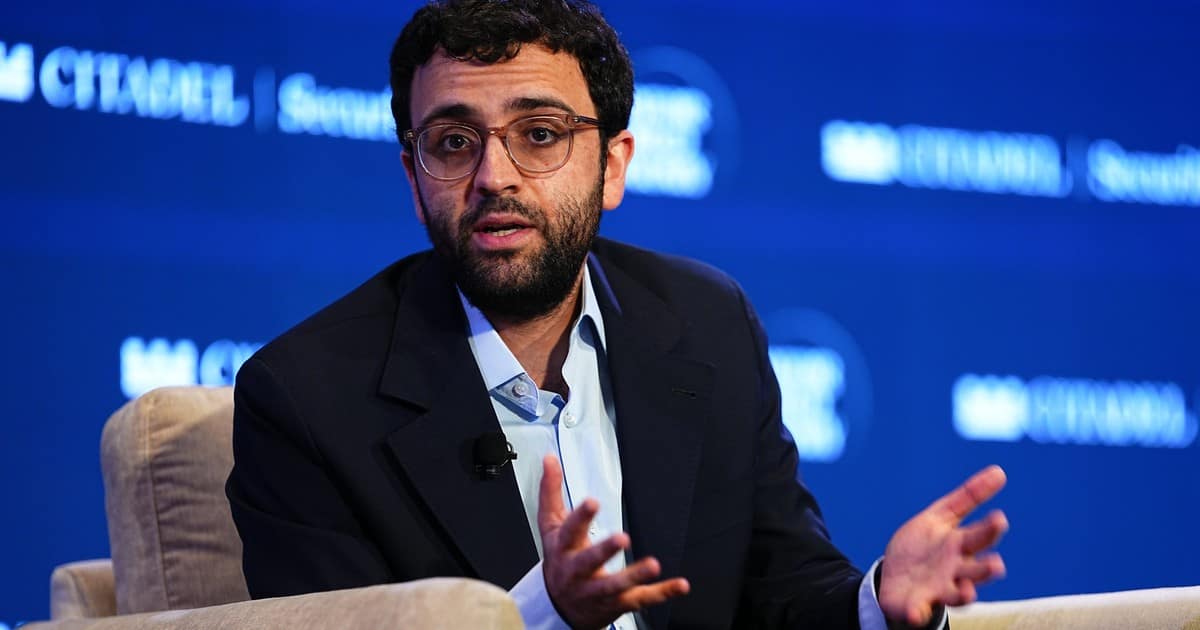
Kalshi CEO Tarek Mansour embraces an unconventional management style where most of the company's 150 employees report directly to him and co-founder Luana Lopes Lara. This deliberately chaotic structure prioritizes rapid adaptability over traditional hierarchy.
Key Numbers
150direct reports to Kalshi co-founders
2018year Kalshi was founded
Who's Involved
Tarek Mansour
CEO and co-founder of Kalshi
Luana Lopes Lara
Co-founder of Kalshi
Kalshi
Fast-growing prediction market company
MIT
Massachusetts Institute of Technology, where founders met
Sequoia Capital
Venture capital firm hosting 'Long Strange Trip' podcast
↳ Why This Matters
Kalshi's deliberate embrace of a chaotic, flat management structure challenges traditional corporate norms and highlights a potential alternative for fostering rapid adaptability in fast-growing tech companies, prioritizing agility over established hierarchies.