All NewsEducationTV
Equities & FundsCrypto & Digital AssetsAI & TechnologyBusiness & CorporateUS Politics & PolicyGeopolitics & Global RiskMacro, Rates & FXCommodities & EnergyEuropean Politics & MarketsAsia-PacificReal Estate & Property
Story archiveAll categories
← All Stories

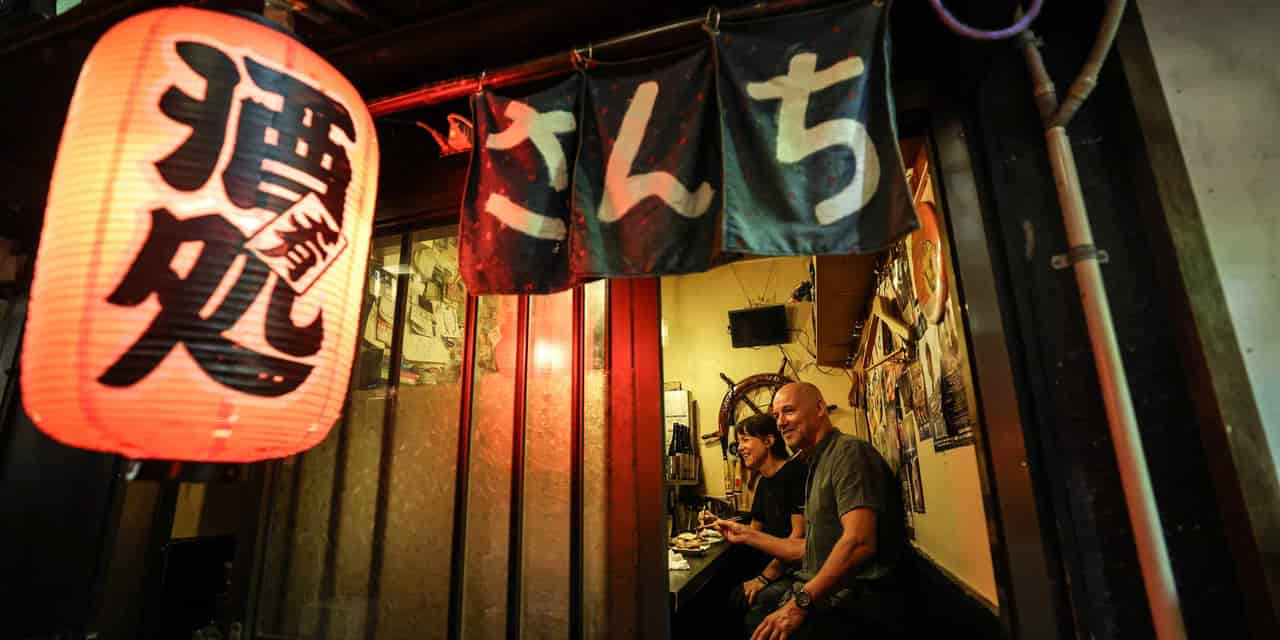
Japan izakaya bankruptcies surge amid changing work and drinking culture

Created at 11 Aug · 4:06 AM1 source↑ Market-relevant
IN SHORT

Izakaya bankruptcies in Japan have reached a record pace, increasing over 50% in early 2026. This surge reflects a shift away from traditional 'company drinking culture' due to evolving work styles and rising operational costs, impacting mid-price range and banquet-dependent establishments.

✉Newsletter

PiQ Daily

Pick your topics. Get only what matters, on your cadence.

Key Numbers

88izakaya bankruptcies from January to April 2026
50%increase in izakaya bankruptcies year-over-year
5,000 yenall-you-can-drink price barrier

Who's Involved

Kuranosuke
a small izakaya restaurant in Tokyo's Koto Ward
Gary Juvelin
Australian journalist
Yuki Kohara
photographer
Kosuke Inoue
author
Tokyo Shoko Research
research firm pointing to customer attrition
Japan izakaya bankruptcies surge amid changing work and drinking culture

↳ Why This Matters

The record number of izakaya bankruptcies signals a significant cultural and economic shift in Japan, impacting traditional business practices, consumer spending habits, and the broader hospitality sector.

Key facts

  • Izakaya bankruptcies in Japan from January to April 2026 totaled 88, a more than 50% increase compared to the same period last year.
  • This represents the fastest pace of izakaya bankruptcies on record.
  • The decline is linked to shifts in Japanese work styles, including the decrease in 'company drinking culture' events.
  • Rising operational costs such as food, utilities, and labor are significantly impacting izakayas.
  • Establishments that are mid-priced, rely heavily on banquets, or are older chains are facing particular difficulties.

Japan is experiencing a record surge in izakaya bankruptcies, with numbers from January to April 2026 reaching 88, a more than 50% increase year-over-year. This trend signifies a broader shift in Japanese consumer behavior and work culture, moving away from traditional 'company drinking' events that previously fueled the industry.

The decline is closely tied to evolving work styles, including the rise of remote work, increased awareness of harassment, and a greater emphasis on personal life outside of office hours. Consequently, semi-obligatory events like department drinking parties, farewell gatherings, and casual drinks with bosses have diminished significantly. While business entertainment for important clients and deals remains, the necessity-driven internal company drinking has been the first to disappear.

Izakayas, particularly those in the mid-price range, those dependent on banquets, and older chains, are facing immense pressure. They are grappling with soaring costs for food, utilities, and labor. The traditional model of high-volume turnover at low prices is becoming unsustainable, with research indicating that exceeding a 5,000 yen all-you-can-drink threshold often leads to customer loss.

This situation reflects a larger cultural transition from the 'Showa-style company culture,' characterized by lifetime employment and 'nomunication' (drinking-based communication), towards a more individualistic approach that prioritizes work-life balance and performance during working hours. Overseas, bar and pub cultures tend to focus more on smaller groups, friends, and casual use, with a growing emphasis on craft beverages and experiential dining, a contrast to the large-group, company-centric drinking prevalent in Japan.

Frequently asked questions

An izakaya is a type of informal Japanese bar that serves alcoholic drinks and snacks, similar to a gastropub or tapas bar.

They are struggling due to a decline in traditional company drinking events, rising operational costs (food, utilities, labor), and a shift in consumer preferences towards more individualistic and experience-focused social activities.

It refers to social drinking events organized by companies, such as year-end parties, welcome parties, and after-work drinks with colleagues or bosses, which were historically important for business relationships and team building.

What Happens Next

01Further analysis of consumer behavior changes in Japan's food and beverage industry.

Get the newsletter.

Pick the topics you actually care about. We'll email when there's news worth your time, on the cadence you choose. Cancel any time from your account.

Cadence

How It Developed

Izakaya bankruptcies from January to April 2026 reached 88, a 50% increase year-over-year.
This marks the fastest pace of izakaya bankruptcies on record.
The increase is attributed to changes in Japanese work styles, consumer behavior, and rising costs.
Traditional 'company drinking culture' events like year-end parties and welcome parties have decreased.
Factors contributing to the decline include remote work, harassment awareness, and a greater emphasis on private life.
Mid-price range, banquet-dependent, and old-fashioned chain izakayas are particularly struggling.
Rising food, utility, and labor costs are pressuring businesses.
Exceeding a 5,000 yen all-you-can-drink price point is likely to cause customer attrition.

Sources

T1
Japan faces record izakaya bankruptcies, signaling change of drink cultureNikkei Asia
T2
What Does the Rush of Izakaya Bankruptcies Signify? The Turning Point ...note.com

Related Stories

Clothing brands offer repairs to appeal to Gen Z consumers
10 Aug · 7:31 AM
Miki House Opens Shenzhen Flagship Store as Part of Global Expansion
10 Aug · 10:06 PM
Five-star Mayfair hotel faces HMRC winding-up petition
11 Aug · 4:06 AM
Imperial Brands to cut thousands of jobs in U.S. and Europe
10 Aug · 2:59 PM
JPMorgan to maintain Asia hiring pace after corporate bank growth exceeds 20%
11 Aug · 12:22 AM