Key facts
- Dreame Technology is reducing its expansion and diversification plans.
- The company is facing increased scrutiny of its financial claims from investors and local governments.
- Dreame's founder, Yu Hao, has narrowed the company's focus to four core areas.
- Skepticism exists regarding Dreame's reported revenue and profit figures.
- Local government-backed funds are reviewing their partnerships with Dreame.
Chinese cleaning-appliance maker Dreame Technology is significantly curtailing its ambitious expansion and diversification initiatives due to mounting scrutiny over its financial disclosures and a more cautious stance from state-backed investors. The company, which derives approximately 80% of its sales from international markets where its robot vacuums hold a substantial share, had previously outlined a vision for a vast ecosystem including cars and semiconductors.
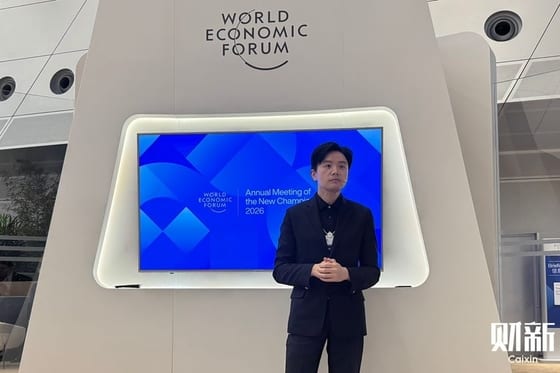
Founder Yu Hao has now indicated a more focused strategy, prioritizing smart homes, yard care, smart transportation, and embodied artificial intelligence, with vehicles and chips designated for research reserve only. This shift follows skepticism from local governments and investors regarding Dreame's financial projections. The company had claimed 2025 sales exceeding 40 billion yuan ($5.9 billion) with profits over 3 billion yuan, but sources suggest actual revenue was closer to 20 billion yuan and profit around 2 billion yuan.
Further complicating matters, a screenshot revealed a request from the economic planner of Changzhou, Jiangsu, for a survey of local firms collaborating with Dreame. This development coincided with a sharp decline in the shares of Jiamei Food Packaging, a company controlled by Yu Hao, leading to a loss of about 3 billion yuan in paper wealth. Additionally, Tianjin's Hexi district government halted plans to allocate over 10,000 square meters for Dreame's robotics subsidiary, MagicLab, after a thorough review.
This increased caution is partly attributed to the central government's efforts to enhance oversight of local government involvement in private equity investments. While no banks have directly withdrawn credit, financial institutions and local governments are reportedly more sensitive to risks. A Dreame executive acknowledged that the company has been fielding numerous inquiries from various government agencies, banks, and business partners, prompting a review of its collaborations with local government-backed funds. The executive maintained that no issues were found with existing partnerships and that regulators expressed support for Dreame's development.
Dreame has established partnerships with 17 local government-backed funds, with a combined planned capital of 20 billion yuan, of which over 7 billion yuan has been disbursed, with Dreame contributing more than 2 billion yuan. Doubts about the company's rapid growth were also fueled by aggressive marketing tactics, including substantial spending on appearances during China's Spring Festival Gala, which were later understood to be secured through large sponsorships rather than significant product shipments. Yu Hao's high-profile public persona, once a marketing asset, has reportedly begun to backfire, exacerbated by incidents such as the suspension of his Weibo account and aggressive hiring practices.