Key facts
- The increasing complexity and value of credit card rewards are creating financial divides in relationships.
As credit card rewards programs become more lucrative and complex, a growing number of couples are experiencing relationship friction. One partner often becomes the dedicated "points person" while the other opts out, highlighting differing financial values and requiring delicate negotiation.
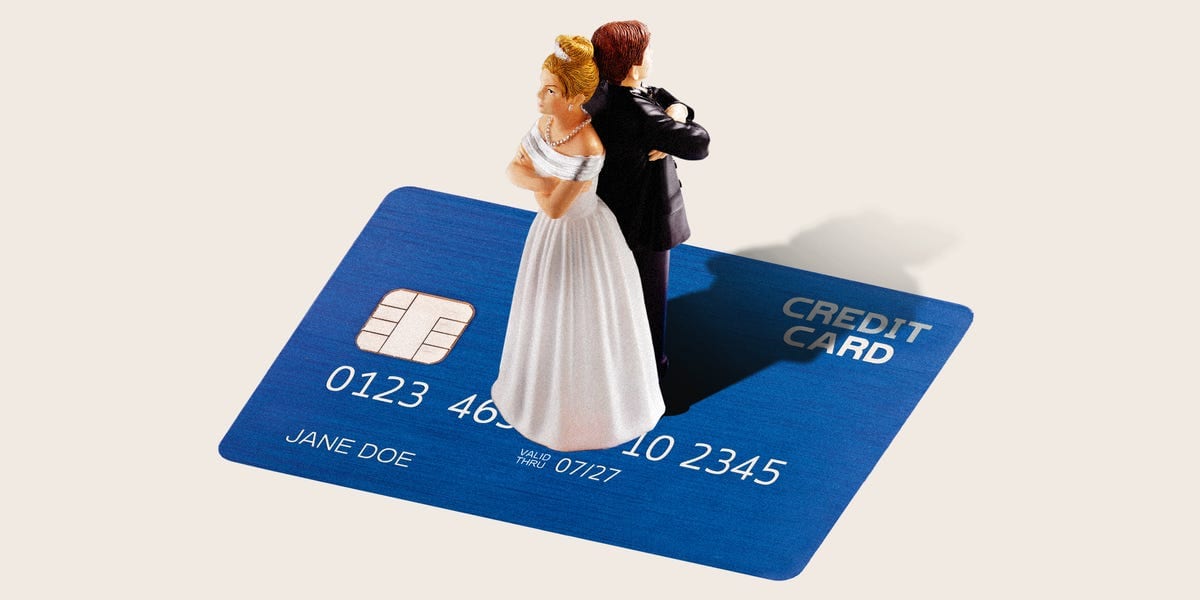
The growing complexity of credit card rewards is creating a new source of financial tension in relationships, highlighting differing values around money and requiring couples to negotiate how they manage shared finances.
The increasing complexity and lucrative nature of credit card rewards programs are creating new financial dynamics and potential divides within relationships. As consumers become more strategic about maximizing bonuses and accumulating points, one partner often takes on the role of the primary "points person" while the other adopts a more relaxed approach or opts out entirely.
This asymmetry can highlight fundamental differences in how couples perceive money, with one partner potentially viewing it as a source of freedom and fun, and the other prioritizing security and stability. These "fatal fiscal attractions," as described by Scott Rick, a marketing professor at the University of Michigan, can initially be intriguing but may lead to friction as finances become more intertwined.
For instance, Louis Fawcett, 53, explains that his wife enjoys the perks of their rewards cards but does not actively engage in the strategy, often handing him her phone to manage points-related decisions. She has also opted for less luxurious travel arrangements, such as sitting in the main cabin while Fawcett flies first class. Similarly, Business Insider's Jane Zhang, a self-proclaimed points fanatic, has found common ground with her husband, who is less convinced by the effort required for rewards maximization.
Even couples who are both enthusiastic about points can face disagreements, as seen with Matthew Williams, who is loyal to Southwest Airlines, and his husband, who favors United. This divergence in loyalty once led them to fly separately to the same destinations. Experts suggest that navigating these reward-related differences requires compromise and trust, as the underlying issues often relate more to what money represents to each individual than the points themselves.