Key facts
- Several multinational companies in London's Square Mile have advised employees to work remotely due to a record June heatwave.
- JP Morgan Chase, ING, and Deutsche Bank are among the firms allowing staff to work from home.
- Temperatures in the City reached 34C on Wednesday, with the Met Office predicting highs of up to 38C later in the week.
- Train services into London were disrupted, with National Rail advising against non-essential travel.
- Analysts predict the heatwave could reduce UK labor productivity growth by 1.5 percentage points.
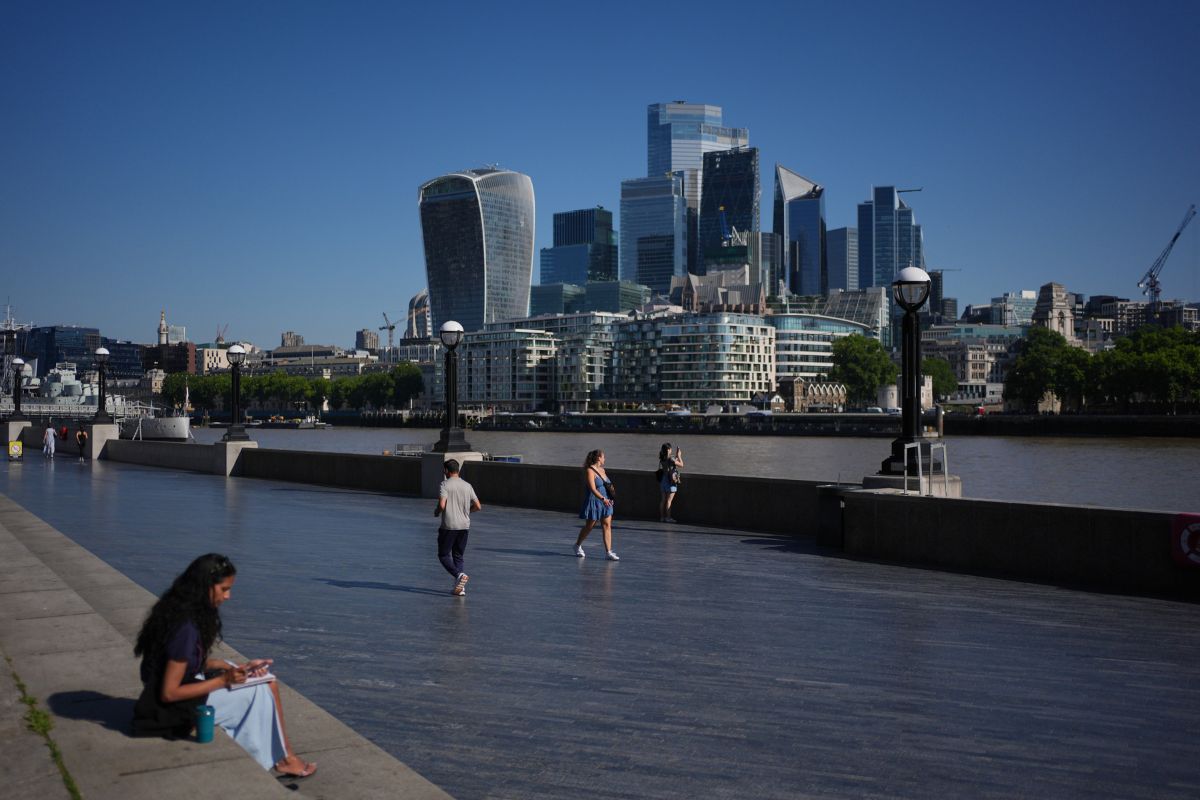
City firms have instructed their employees to work remotely this week as London experiences a record-breaking June heatwave, with temperatures soaring.
Major financial institutions, including JP Morgan Chase, ING, and Deutsche Bank, have given staff the option to work from home to avoid the extreme heat. Investment firms M&G, bank Nomura, and insurer Hiscox have also adopted similar policies. Consulting firms KPMG and Deloitte are leveraging their existing flexible work arrangements to allow employees to work remotely.
Temperatures in the City reached 34C on Wednesday, and the Met Office has warned that the heat could escalate to as high as 38C later in the week. This extreme weather has led to travel disruptions, with National Rail advising passengers to travel into London only if absolutely necessary and some train routes being cancelled.
Analysts at Oxford Economics have highlighted the potential impact of the heatwave on labor productivity, noting that extreme heat and humidity can impair both mental and physical performance. They anticipate a reduction in labor productivity growth by 1.5 percentage points in the UK and up to two percentage points in other parts of Western Europe. The construction, agriculture, manufacturing, retail, and hospitality sectors are expected to be most affected.
Previous analysis has indicated a trend of remote workers finishing early during hot weather, with one study showing an eight percent decline in internet traffic during summer afternoons. A significant portion of surveyed individuals reported that finishing work early before the weekend has become an informally accepted practice.