Key facts
- Japanese cafes are adopting a new trend of milky tea beverages made with Chinese and Taiwanese tea leaves.
- These drinks are popular for their flavor, aroma, and visually appealing presentation.
- Chinese tea producers are focusing on higher-value processing and branding for international markets.
- Zhejiang province's tea exports rose 24.3% year-on-year to $312 million from January to July.
- Chinese tea beverages are finding markets in the UK, Southeast Asia, Saudi Arabia, and the UAE.
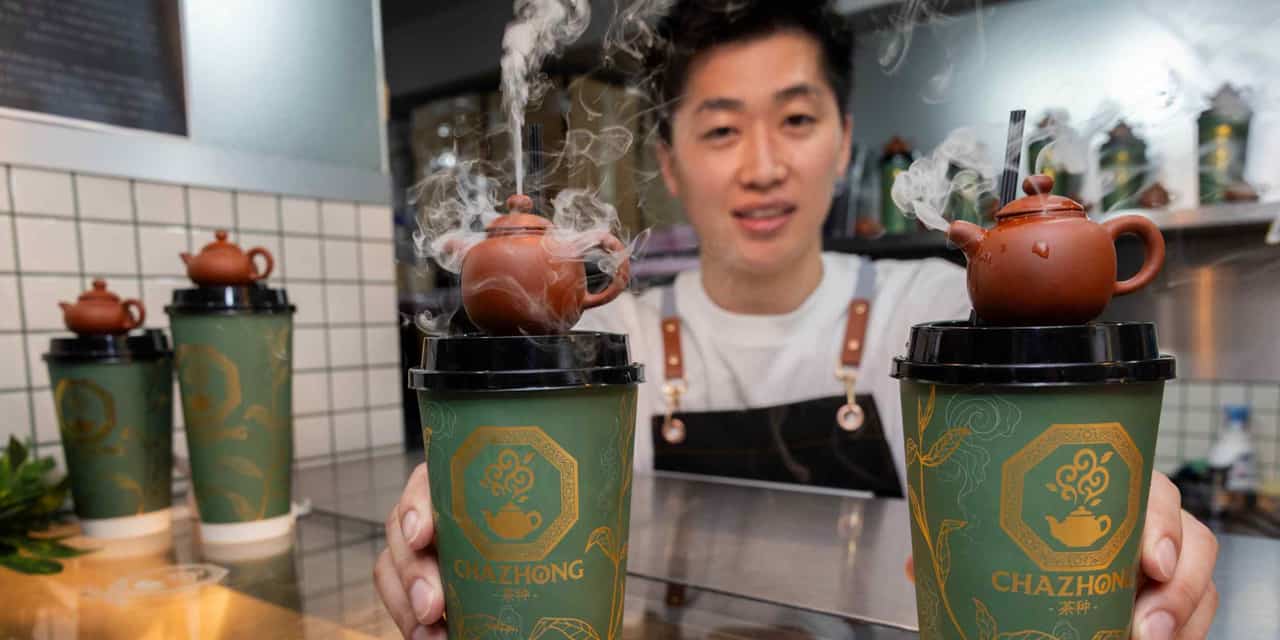
Japanese cafes are increasingly featuring milky tea beverages made with Chinese and Taiwanese tea leaves, a trend that emphasizes flavor, aroma, and visually appealing presentation for social media. This shift marks a departure from the popularity of bubble tea, with consumers seeking more sophisticated tea experiences.
Chinese tea producers are responding to this global demand by innovating their offerings. Companies are moving beyond traditional brews to create blended drinks with milk, fruits, and herbs, catering to younger consumers and transforming tea into a lifestyle product. This strategic pivot involves higher-value processing and stronger branding, moving away from bulk leaf exports.
Producers in China's Zhejiang and Yunnan provinces are seeing significant growth in their exports. Zhejiang province, for instance, exported $312 million worth of tea between January and July, a 24.3% year-on-year increase, representing 37.2% of China's total tea exports during that period. Key markets include the United Kingdom, Sweden, Morocco, Russia, and Uzbekistan.
Companies like Shengzhou Houtu Tea Co Ltd are shipping flavored bagged teas with ingredients such as ginger, mint, chrysanthemum, and lemon to markets like Saudi Arabia. Lanfangyuan Food Co Ltd has seen its export value surge by 42.1% year-on-year, with its innovative frozen lemon and fruit tea series entering markets in the United States, Europe, and Southeast Asia.
Pu'er Zuxiang Highmountain Tea Garden Co Ltd is exporting organic Pu'er tea cakes to France, with packaging and cultural introductions tailored to meet French customer demand. This approach allows the company to command a price premium of about 20% over traditional bagged tea, highlighting the success of leveraging tea culture and brand innovation.