Key facts
- Chinese logistics firms are expanding their end-to-end distribution networks in the U.S.
- Leasing of U.S. warehouses by Asia-based logistics firms more than doubled in key markets last year.
- Chinese e-commerce and logistics providers accounted for an estimated 20% of new U.S. warehouse leases through Q3 2024.
- Companies are using U.S. warehouses to store inventory and mitigate tariff exposure.
- U.S. President Donald Trump imposed and is scheduled to increase tariffs on goods imported from China.
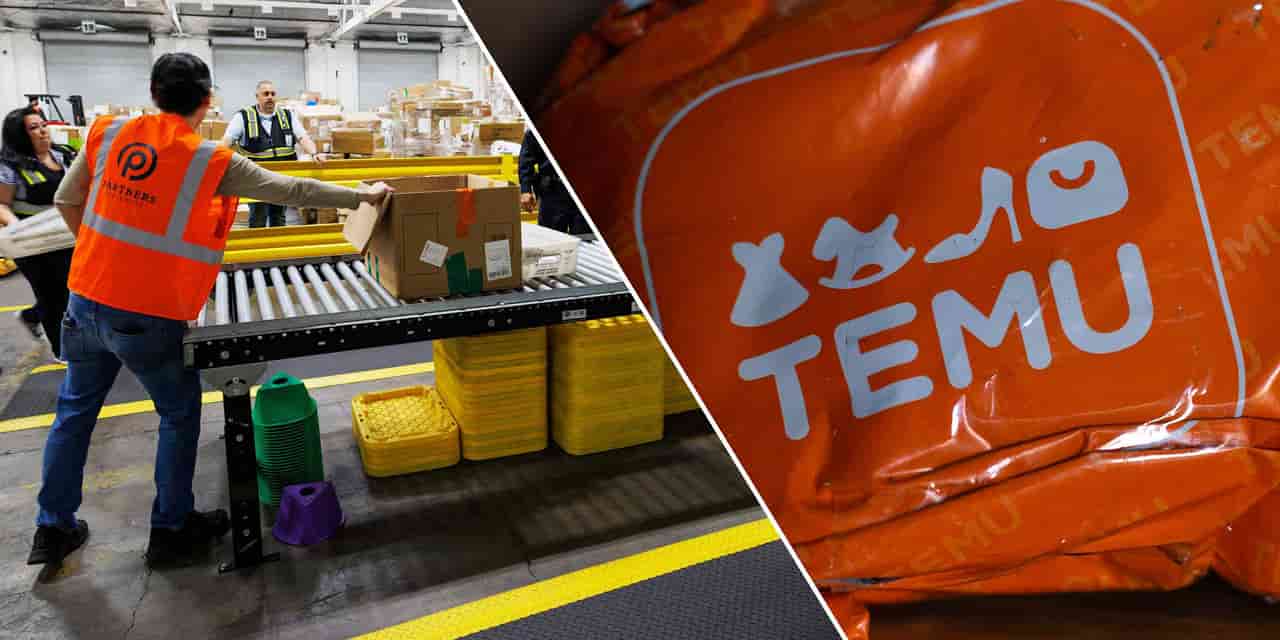
Chinese logistics companies are significantly expanding their presence in the U.S. by leasing more warehouse space, establishing comprehensive distribution networks that help Chinese merchants reduce costs and minimize exposure to tariffs. This trend is a direct response to evolving e-commerce dynamics, global trade shifts, and manufacturing patterns.
Data from global real estate firm Cushman & Wakefield indicates that leasing by Asia-based logistics firms more than doubled in key U.S. markets, such as New Jersey and Los Angeles, last year compared to 2023. This surge has been a bright spot for the commercial real estate industry, which has generally seen reduced demand for warehouses post-pandemic. According to logistics real estate company Prologis, e-commerce companies and logistics providers based in China were estimated to account for 20% of new U.S. warehouse leases through the third quarter of 2024.
Industry experts suggest that companies are leasing these U.S. warehouses to store inventory, thereby hedging against potential tariffs on imported goods. U.S. President Donald Trump imposed an additional 10% tariff on products imported from China in early February, with a further increase to 20% scheduled. Jason Tolliver, co-leader of Cushman & Wakefield’s Americas logistics and industrial services practice, noted that the complexity and uncertainty in the market have increased the value proposition of third-party logistics providers with the scale and expertise to manage these challenges. He highlighted that a key driver for this leasing activity has been the de minimis exemption, which allows online orders placed in the U.S. to be shipped directly from storage facilities in Asia, and that U.S. warehouses enhance speed and facilitate direct-to-consumer shipping and reverse logistics.
While commercial real estate reactions are typically slower than market responses, Tolliver indicated that retailers and wholesalers are planning for potential changes. The overall trend shows that the third-party logistics sector, both domestic and foreign, remains the strongest driver of leasing activity in the logistics and industrial space.