Key facts
- An estimated $10 billion is being spent on advertising during the current FIFA World Cup.
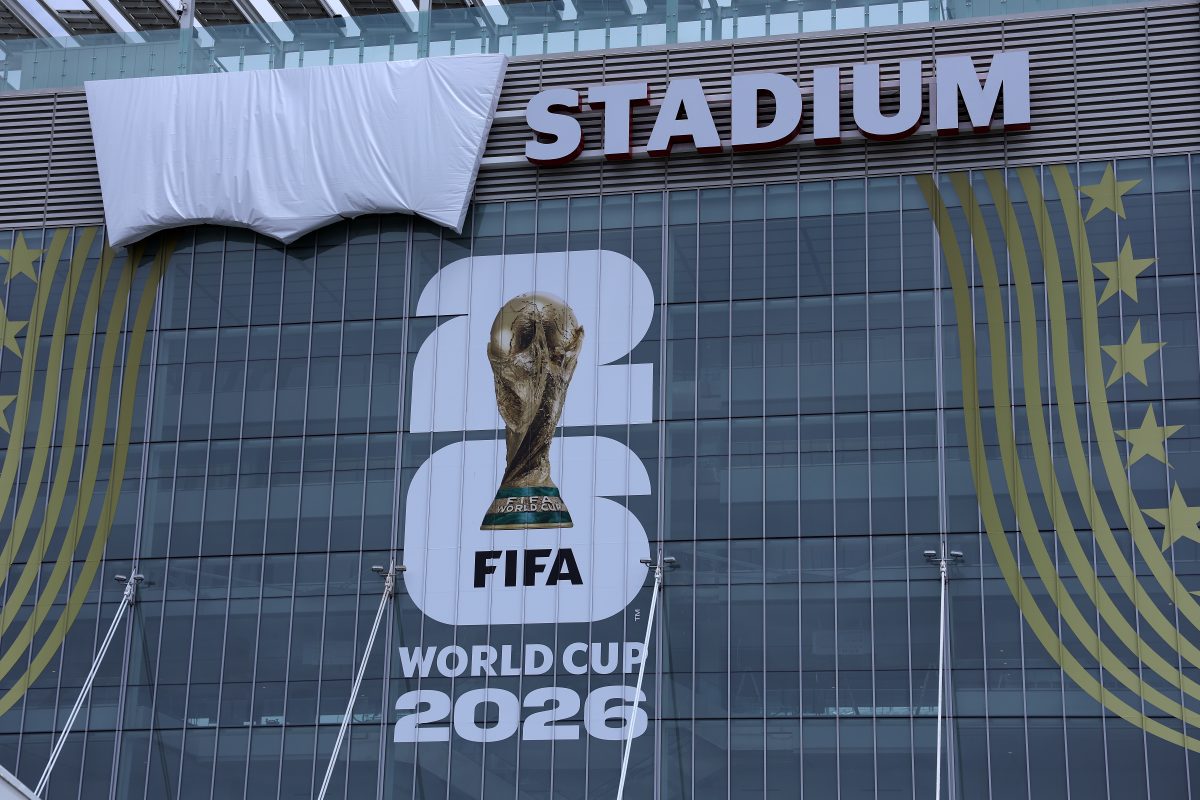
- FIFA regulations required stadiums to cover existing sponsors, leading to creative brand adaptations.
- Levi's, SoFi, and Heinz employed strategies to maintain brand visibility despite sponsorship restrictions.
- Hydration breaks are being used by broadcasters, particularly in the US, for lucrative advertising slots.
- The World Cup offers a global platform for brands, comparable to the Olympics or a Royal wedding.
The current FIFA World Cup is not only defined by on-pitch action but also by significant brand investment off it, with an estimated $10 billion being spent on advertising and campaigns by major organizations. This global event provides a massive peak for the advertising industry, attracting billions of viewers worldwide.
However, the tournament has seen several instances of brands navigating FIFA's strict regulations regarding official partnerships. Stadiums like Levi’s Stadium, SoFi Stadium, and Gillette Stadium had their existing sponsors' branding covered. Similarly, Heinz products in media rooms were censored with black tape due to the company not being an official partner. Brands have responded with creative solutions; Levi's batwing logo was covered in a way that kept it recognizable, Gillette used a tarp mimicking shaving foam, and SoFi employed minimal covering.
Charlie Rudd, CEO of Publicis Groupe UK’s Creative Practice, explained the concept of 'distinctive brand assets' (DBAs), which allows brands to be recognized even without their name being visible, citing examples like Guinness in the Six Nations rugby where 'Greatness' is displayed in a way that resembles the brand name. This strategy relies on recognizable colors and shapes to evoke brand recognition from a distance.
A significant advertising talking point has been the introduction of hydration breaks. While ostensibly for player welfare due to hot conditions, American broadcasters like Fox are using these three-minute intervals for commercials, generating substantial revenue. In the UK, ITV has used these breaks for tactical analysis by Emma Hayes but also for advertising. Rudd notes that while irritating for fans, these breaks present a valuable advertising opportunity, a concept not new to sports like cricket, which has long sponsored hydration breaks.