Key facts
- Brandon Craig will assume the role of BHP CEO on July 1.
- BHP recently flagged a $2.3 billion charge for cost overruns and delays at its Jansen Stage 2 project.
- Unions are threatening coordinated strikes at BHP's Australian iron ore operations if talks fail on July 7.
- BHP is considering growth opportunities in uranium, despite challenges with market scale.
- CEO transitions often result in about a third of top management departing within a few years.
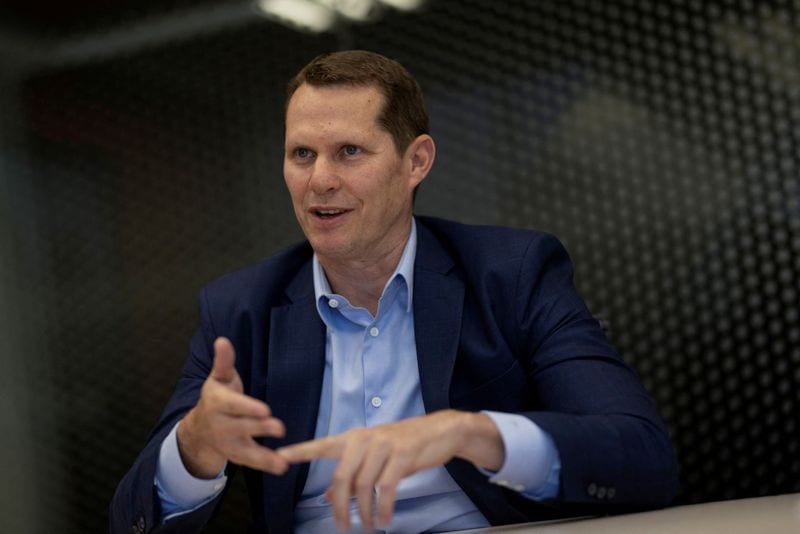
Brandon Craig is set to assume the role of CEO at BHP on July 1, inheriting a challenging agenda that includes potential industrial action, escalating costs, and a dynamic mergers and acquisitions environment. Investors are closely watching his approach to cost control, particularly after BHP flagged a $2.3 billion charge for overruns and delays at its Jansen Stage 2 project, which was under Craig's previous purview as head of the Americas.
Immediate concerns involve growing threats of strikes in Australia's iron ore sector, with unions planning coordinated action if talks on July 7 fail. Inflation and cost overruns are top of mind for investors, especially given other major projects underway, such as the Vicuna copper joint venture and the Copper South Australia smelter expansion.
While major M&A is not immediately expected, opportunities could arise. BHP's prior pursuit of Anglo American and the potential future appeal of the merged Teck Resources entity are noted. Analysts suggest BHP and peers like Rio Tinto will continue to seek inorganic growth. Glencore's ambitions to expand, despite being rebuffed by Rio Tinto, add to the M&A backdrop.
BHP is also evaluating growth in the uranium sector, a business it has commented on more frequently. While demand is expected to rise due to data centers and nuclear power needs, achieving sufficient returns from the small market remains a hurdle. BHP produces about 5% of global uranium supply as a byproduct from its Olympic Dam operations in Australia.
Craig, whose appointment surprised investors, may also oversee changes in senior executive ranks, a common occurrence during CEO transitions.