Key facts
- Delta Air Lines warned the CAA that direct competition at Heathrow might not improve operations, citing JFK's issues.
- IAG and Virgin Atlantic are pushing for a regulatory shake-up to allow rival firms to operate new infrastructure at Heathrow.
- Airlines argue Heathrow's monopoly contributes to its status as the most expensive major international airport.
- Heathrow Airport Limited (HAL) has faced accusations of overspending on upgrades, such as tunnel refurbishments and baggage system replacements.
- The CAA will continue to work on plans for a direct competition model for the third runway but rejected a 'transfer of ownership' model.
- Hotel magnate Surinder Arora, who has a competing third runway proposal, welcomed the CAA's consideration of alternative models.
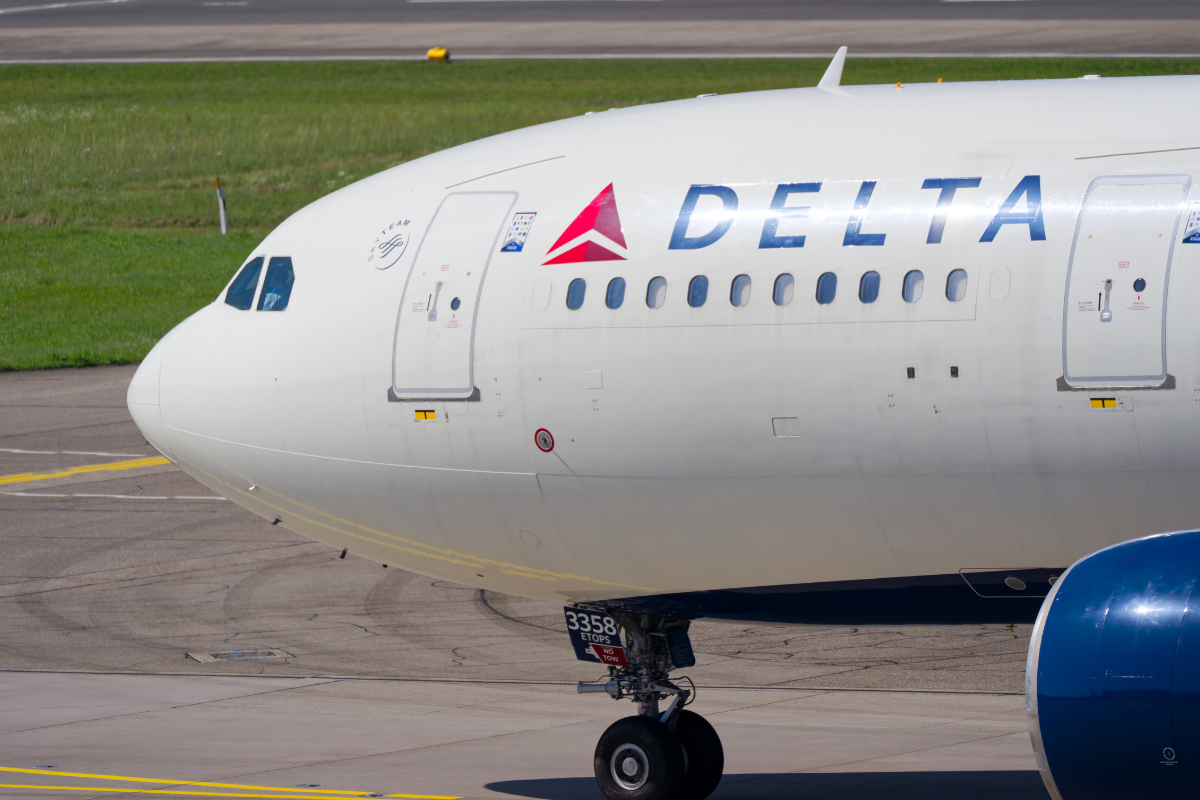
Airlines are sharply divided over the future regulation of Heathrow Airport, with Delta Air Lines cautioning against breaking up the owner's monopoly, citing operational issues at New York's JFK Airport as a cautionary example. The Civil Aviation Authority (CAA) is currently consulting on potential models for the airport's future.
Delta's stance contrasts with the majority of Heathrow's other carriers, including British Airways owner IAG and Virgin Atlantic, along with the International Air Transport Association (Iata). These entities have long campaigned for increased competition to drive down prices, arguing that Heathrow's current monopoly model makes it the most expensive major international airport globally, even before factoring in the costs of a planned third runway expansion.
Proponents of regulatory reform are pushing for a shake-up that would permit rival firms to develop and operate new infrastructure at the hub. This includes supporting hotel magnate Surinder Arora's proposal for a competing third runway. They believe this added competition could help control costs for new projects and elsewhere at the airport.
Heathrow Airport Limited (HAL) has faced persistent accusations of overspending and 'gold-plating' upgrades. Examples cited include a tunnel refurbishment project running ten years behind schedule and £500 million over budget, and a project to replace Terminal 2's baggage handling system nearing £1 billion.
According to the CAA's consultation paper, airlines like IAG and those involved in the Heathrow Reimagined campaign urged officials to adopt a direct competition model, deeming it "essential to address" the airport's issues. They also lobbied for a 'transfer of ownership' model, which could force HAL to cede control over existing assets and new projects.
The CAA announced on Thursday that it would not pursue the transfer of ownership model unless there was a "material change in circumstances," such as HAL considering selling an asset. However, the watchdog confirmed it would continue to develop plans for a direct competition model, which could lead to a rival operator being awarded the contract for the third runway.
Arora welcomed the CAA's decision to continue exploring alternative models, stating that regulatory reform and competition are "absolutely imperative" for cost control. A Heathrow spokesperson expressed support for "longer-term certainty, smarter incentives and independent expert assurance" to ensure the benefits of expansion are delivered efficiently.