Key facts
- South Korea's ruling Democratic Party won a majority of local government seats.
South Korea's ruling Democratic Party has won a majority of local government seats in recent elections, though it is projected to lose the Seoul mayoralty to the opposition People Power Party. This outcome is attributed to ballot shortages and unexpectedly high voter turnout. In a separate development, President Lee Jae Myung has ordered an investigation into the ballot shortage and nominated Han Seong-sook, a tech veteran and former CEO of Naver, as the next Prime Minister. If confirmed, Han would be the first woman in the role in twenty years and is expected to lead the nation's AI initiatives. Additionally, the Labour Minister urged major tech firms to share AI profits with suppliers and staff.
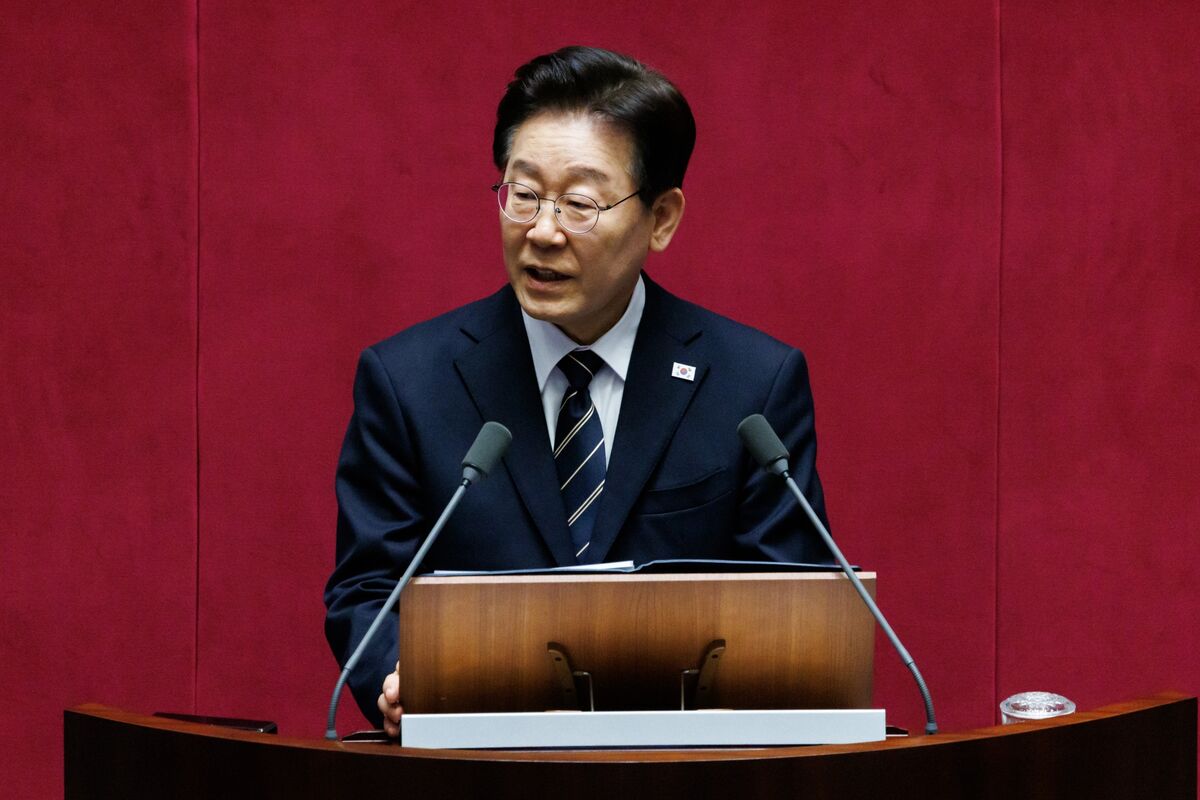
South Korea's ruling Democratic Party has secured a majority of local government seats in nationwide elections, but is projected to lose the crucial Seoul mayoralty to the opposition People Power Party. The loss in the capital is attributed to ballot shortages and higher-than-expected voter turnout. President Lee Jae Myung has ordered a comprehensive investigation into the ballot shortage, directing the prosecution and police to conduct the probe. He expressed regret over the National Election Commission's response to the issue. In a significant personnel move, President Lee has nominated Han Seong-sook, the current minister for small and midsize businesses and startups and former CEO of Naver, as the country's next prime minister. If confirmed by the National Assembly, Han will be the first woman to hold the prime minister position in two decades. Her nomination is seen as a move to spearhead the nation's artificial intelligence transformation. Separately, South Korea's Labour Minister Kim Young-hoon has called on major tech firms, including Samsung Electronics, to share excess profits generated from the AI boom with their suppliers and staff. Minister Kim warned that these gains risk widening inequality and proposed social dialogue to establish new distribution rules, while rejecting claims of state intervention.
The local elections saw the Democratic Party win a majority of the available seats across the country, demonstrating continued support for the ruling party's agenda. However, the projected loss of the Seoul mayoralty to the People Power Party indicates a significant challenge in the nation's capital, a key political battleground. The ballot shortage issue has raised concerns about electoral integrity and the National Election Commission's preparedness for high voter engagement. President Lee's order for a swift investigation underscores the seriousness with which the administration views the electoral disruptions.
The nomination of Han Seong-sook as Prime Minister signals a potential shift in the government's focus, particularly towards technological advancement and innovation. Her background as a former CEO of Naver, a leading South Korean internet company, positions her to drive the country's AI strategy. The potential for her to be the first female prime minister in twenty years also carries symbolic importance.
Meanwhile, the Labour Minister's call for profit sharing from AI advancements highlights growing concerns about economic inequality. The government's approach appears to be encouraging voluntary corporate action through social dialogue rather than imposing direct regulations, as indicated by Minister Kim's rejection of state intervention claims. This initiative aims to ensure that the benefits of the AI boom are distributed more broadly among businesses and workers, potentially mitigating social and economic disparities.
South Korea's ruling Democratic Party has secured a majority of local government seats in nationwide elections, but is projected to lose the crucial Seoul mayoralty to the opposition People Power Party. The loss in the capital is attributed to ballot shortages and higher-than-expected voter turnout. President Lee Jae Myung has ordered a comprehensive investigation into the ballot shortage, directing the prosecution and police to conduct the probe. He expressed regret over the National Election Commission's response to the issue. In a significant personnel move, President Lee has nominated Han Seong-sook, the current minister for small and midsize businesses and startups and former CEO of Naver, as the country's next prime minister. If confirmed by the National Assembly, Han will be the first woman to hold the prime minister position in two decades. Her nomination is seen as a move to spearhead the nation's artificial intelligence transformation. Separately, South Korea's Labour Minister Kim Young-hoon has called on major tech firms, including Samsung Electronics, to share excess profits generated from the AI boom with their suppliers and staff. Minister Kim warned that these gains risk widening inequality and proposed social dialogue to establish new distribution rules, while rejecting claims of state intervention.