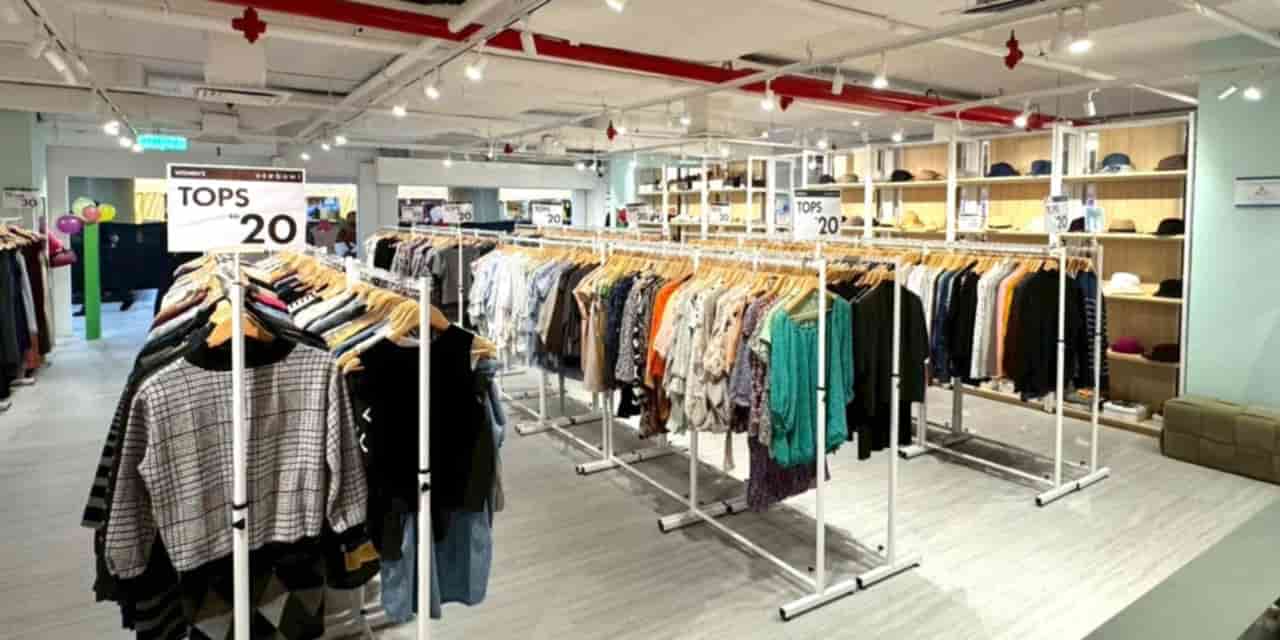
Key facts
- Japanese secondhand-store chains are expanding into Southeast Asian markets.
- Malaysia and Hong Kong are key markets for this expansion.
- Usebowl is one of the Japanese chains involved in this expansion.
- The chains are emphasizing quality control.
- They aim to leverage the 'used in Japan' reputation.
- This expansion is driven by demand for affordable, quality fashion.
Japanese secondhand clothing chains are actively expanding their presence in Southeast Asian markets, with Malaysia and Hong Kong identified as key growth areas. Chains such as Usebowl are placing a significant emphasis on quality control as a core strategy to differentiate themselves and leverage the strong reputation associated with 'used in Japan' apparel. This focus on quality is intended to attract consumers who are increasingly seeking affordable yet high-quality fashion options. The expansion into these markets is driven by a growing demand for sustainable and budget-friendly clothing alternatives. By ensuring that items meet certain standards, these Japanese thrift chains aim to build trust and appeal to a broader consumer base in Southeast Asia, where the secondhand market is gaining traction. The 'used in Japan' label carries a perception of durability and good condition, which these companies are keen to maintain and promote through their quality assurance processes. This strategic move positions Japanese secondhand retailers to capture a larger share of the burgeoning fashion market in the region.