Key facts
- China is restricting individual access to global markets.
- The government aims to retain capital domestically.
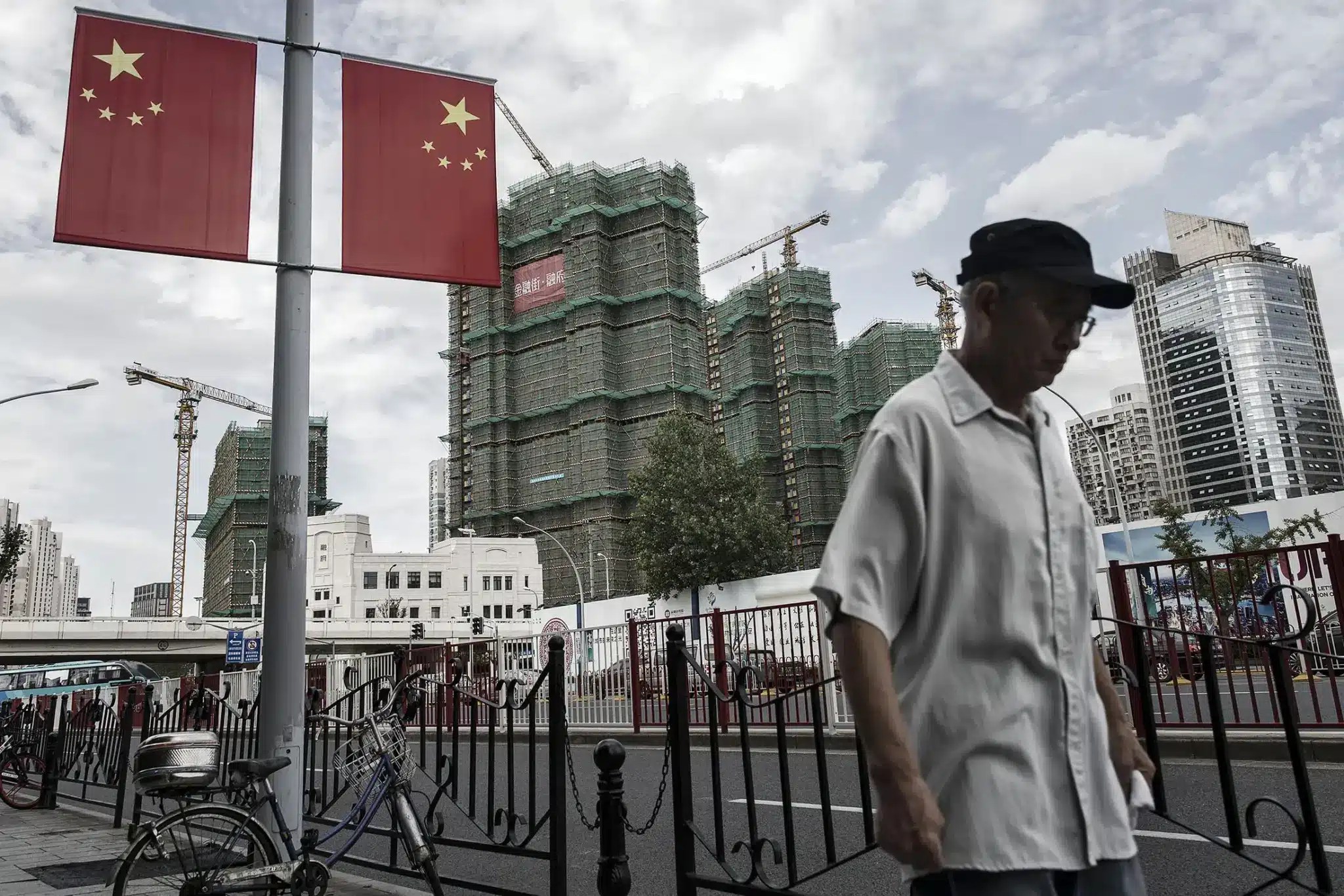
- China is grappling with a severe fiscal crisis.
- The fiscal crisis is driven by a property market collapse.
- High local government debt is a contributing factor to the crisis.
- The government is seeking revenue from the private sector.
- Large-scale stimulus is not being implemented.
China is enacting new policies to limit individual access to global financial markets. This measure is intended to prevent capital from leaving the country, a critical step as China confronts a deep fiscal crisis. The crisis is largely attributed to a significant downturn in the property market and a substantial burden of debt held by local governments. Beijing's strategy to manage this situation involves seeking revenue generation from the private sector. This approach contrasts with the implementation of large-scale economic stimulus packages. The government's focus appears to be on bolstering domestic financial stability through capital retention and private sector contributions rather than broad-based public spending to stimulate the economy. This policy shift indicates a move towards greater control over financial flows and a reliance on internal resources to navigate the current economic headwinds.