Key facts
- A signalling equipment failure on Hong Kong's Tseung Kwan O MTR line caused travel delays of 10 to 15 minutes.
- The disruption occurred during Thursday evening rush hour.
- Passengers reported being asked to leave trains due to the fault.
- A separate incident on Friday morning also caused delays due to signalling equipment issues.
- MTR Corporation is implementing an eight-point action plan to improve network resilience.
- A May 22nd incident involved a dual failure of power supply and signalling systems, causing a five-hour suspension.
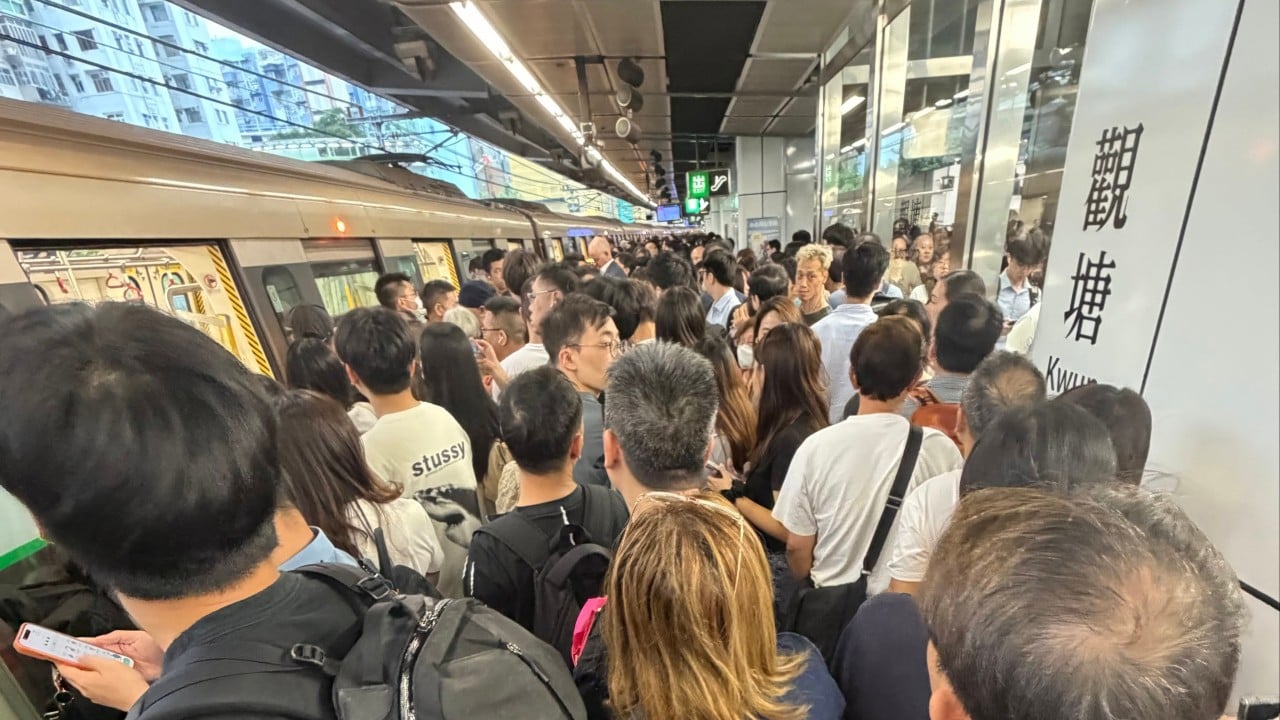
A signalling equipment failure near Po Lam station on Hong Kong's Tseung Kwan O MTR line caused travel delays of 10 to 15 minutes during Thursday evening rush hour. The MTR Corporation confirmed the fault at approximately 6:30 PM, advising passengers of potential extensions to their journeys.
Commuters reported being asked to leave trains, with one passenger, identified only as Kwok, stating her train stopped at Tseung Kwan O station for about 10 minutes before passengers were instructed to disembark. She noted an initial announcement had mentioned only a five-minute delay.
In a separate incident on Friday morning, a signalling equipment breakdown at North Point station led to further disruptions. The MTR Corporation confirmed the service issues at 7:49 AM, initially announcing a five-to-eight-minute delay. Train frequencies were later adjusted, and services gradually resumed around 10:30 AM.
Investigations into a May 22nd incident, which involved a dual failure of the MTR's power supply and signalling systems causing a five-hour suspension, revealed that a threaded metal rod from a cable tray inadvertently contacted a signalling cubicle. This resulted in an unintended earthing connection and a power current surge that affected signalling equipment.
In response to these recurring issues, the MTR Corporation has formulated an eight-point action plan. This plan includes special inspections of critical railway assets, such as overhead lines and signalling points, to be completed by the end of August. It also involves strengthening daily monitoring of asset conditions, risk-based re-assessments, and enhancing emergency drills and response capabilities. The operator is also exploring options like adding shuttle bus routes during service suspensions and improving information dissemination to passengers.