Key facts
- China has reached its 2035 new-energy vehicle (NEV) target a decade ahead of schedule.
- The current auto tax system is structured around engine displacement and fuel consumption.
- This system is ill-equipped to handle the surge in NEVs.
- The tax shortfall poses a risk to funding for road maintenance.
- Local government incentives related to vehicle sales are becoming distorted.
- A significant overhaul of China's auto tax system is becoming necessary.
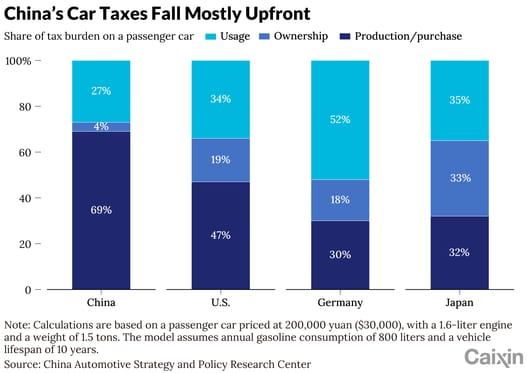
China's ambitious new-energy vehicle (NEV) goals have been met a full decade ahead of the 2035 target. However, the nation's auto tax system, which was designed around traditional metrics like engine displacement and fuel consumption, is now struggling to keep pace with the rapid growth of electric vehicles.
This misalignment is creating several critical issues. Firstly, it threatens the funding streams for road maintenance, as tax revenues derived from fuel consumption are declining. Secondly, it is distorting the effectiveness of local government incentives aimed at promoting vehicle sales. Consequently, Chinese policymakers are being compelled to consider a substantial overhaul of the existing auto tax framework to address these emerging challenges.