Key facts
- South Korea's ruling Democratic Party won the majority of seats in local elections.
- The Democratic Party is projected to lose the Seoul mayoralty to the opposition People Power Party.
- Ballot shortages occurred at polling stations in Seoul due to high turnout.
- Voting was extended at affected polling stations in Seoul.
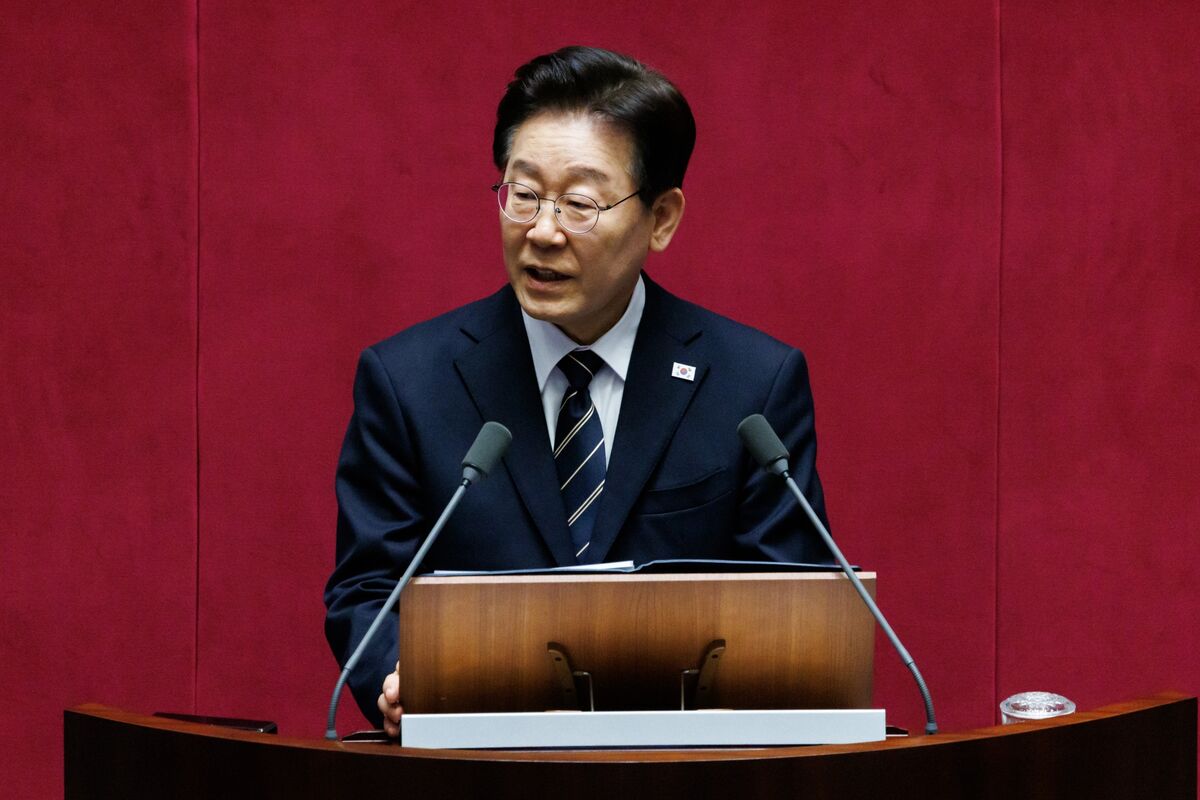
- The elections were seen as a referendum on President Lee Jae Myung's first year in office.
South Korean President Lee Jae Myung's ruling Democratic Party has swept the majority of seats in local elections, according to early vote counts. However, the party is projected to lose the crucial Seoul mayoralty to the opposition People Power Party (PPP) incumbent, Oh Se-hoon, who held a narrow lead over Democratic challenger Chong Won-o. The National Election Commission (NEC) tallies showed Democratic Party candidates winning in Busan and leading in 12 of 16 mayoral and provincial contests nationwide, though counting was ongoing. The loss of Seoul, despite the party's overall gains, could temper its claim of a decisive national mandate. The elections were marred by ballot shortages at multiple polling stations in Seoul due to higher-than-expected turnout, leading to extended voting hours and protests. The NEC apologized for the incidents and stated they did not warrant delaying the election or holding a rerun. The PPP controlled 12 of the 16 local governments before the vote, but early results indicated they were set to lose ground overall despite retaining the capital. The Democratic Party's performance suggests continued nationwide support for President Lee's economic and reform agenda, bolstered by strong export growth.