Key facts
- China's EV transition is straining local government finances due to increased road maintenance costs and reduced fuel tax revenue.
- Electric vehicles now constitute over 60% of new car sales in China.
- The Chinese EV market is experiencing a downturn with overcapacity, price wars, and significant losses for manufacturers.
- Government subsidies for EVs are being phased out, potentially accelerating market consolidation.
- Chinese automakers are facing intense domestic competition and are pushing into European markets.
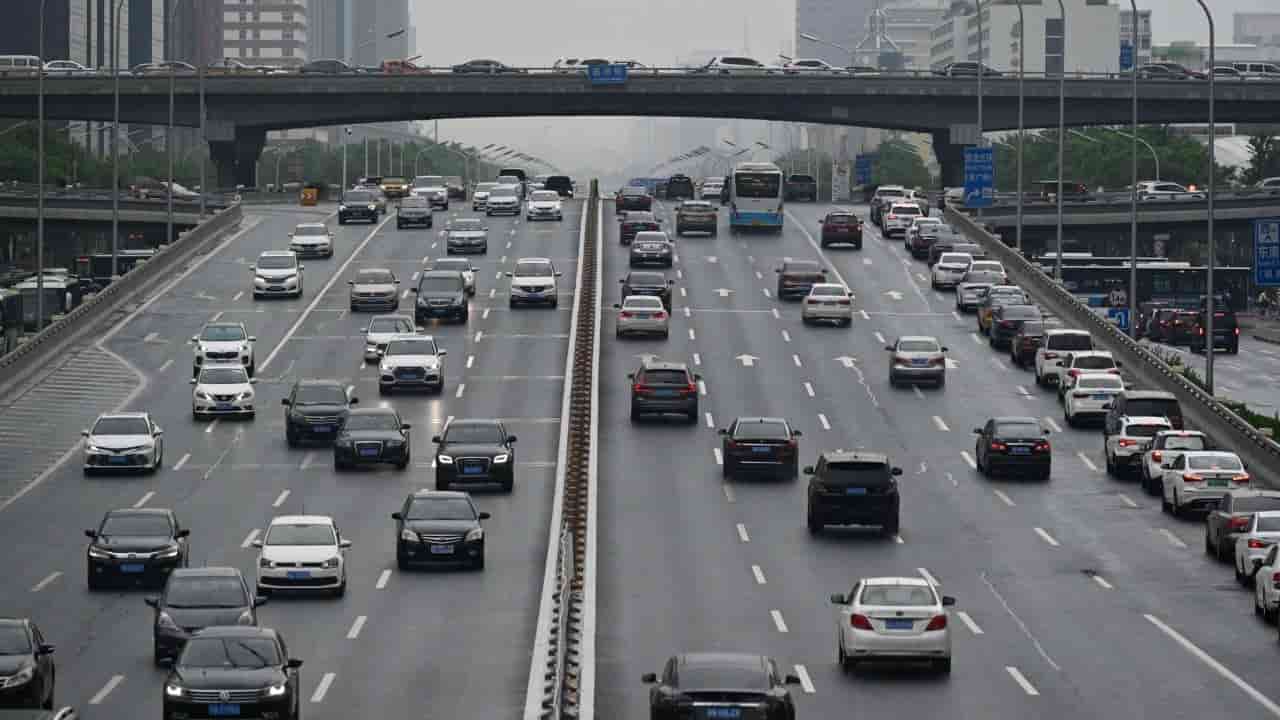
China's rapid transition to electric vehicles (EVs), while celebrated as an economic success, is creating significant financial strain for local governments. The increasing number of heavier EVs on the road is driving up maintenance costs, while the decline in petrol consumption is eroding the tax revenue previously used to fund road repairs. New-energy vehicles now account for over 60% of new car sales in China.
The EV industry itself is facing a severe downturn, marked by overcapacity, aggressive price wars, and substantial losses for manufacturers. This situation is partly attributed to a market bubble inflated by government subsidies and mandates, which are now being phased out. The intense domestic competition has led to record-low prices and is pushing Chinese automakers to seek opportunities in international markets, particularly Europe, though they face increasing tariffs.
Despite the apparent success in sales volume, with EVs making up over half of new car sales in recent months, the underlying market dynamics are troubling. Many automakers are struggling with profitability, leading to a campaign by the Chinese government against excessive competition. Even leading manufacturers like BYD are navigating this challenging environment, with uncertainty surrounding subsidies and ongoing price wars threatening momentum.