Key facts
- Taiwan's chip industry is driving a boom in luxury development and rising fortunes.
- A new exhibition at the Taipei Fine Arts Museum covers Taiwan's architecture from 1949-1983.
- The Tao Zhu Yin Yuan (Agora Garden) is a distinctive twisting residential high-rise completed in 2018.
- The Tao Zhu Yin Yuan is designed to absorb CO2 with its extensive greenery.
Taiwan's burgeoning artificial intelligence and semiconductor industry is fueling a luxury boom in its cities, marked by rising fortunes and high-end construction. This transformation is evident in the city at the heart of Taiwan's chip supply chain, where increased wealth is contributing to rising birthrates and the development of luxury buildings.
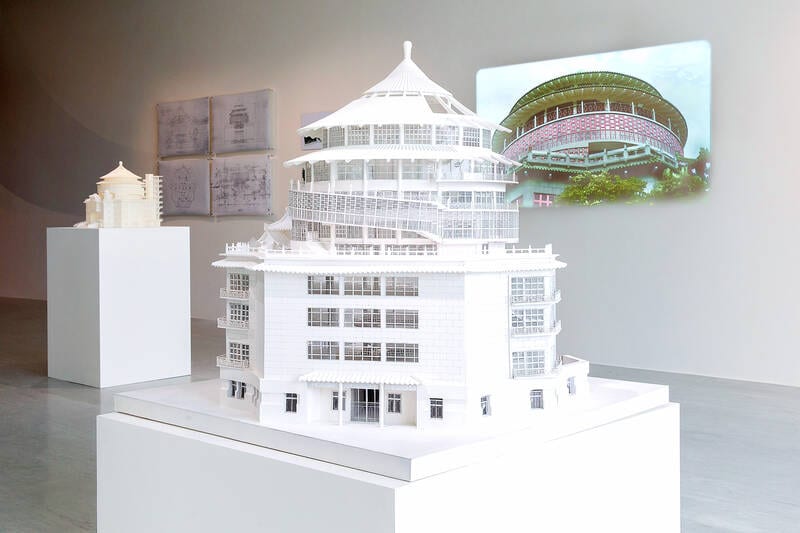
Historically, Taiwan's post-World War II architecture, particularly from the 1960s and 1970s, laid the foundation for its urban landscapes. A new exhibition at the Taipei Fine Arts Museum, 'Modern Life: Taiwan Architecture 1949-1983,' explores this era. The exhibition highlights buildings designed by architects who arrived from mainland China with Chiang Kai-shek's Nationalist Party forces. Their initial task involved 'de-Japanization' and 're-Sinicization' of the urban environment, leading to styles like 'Chinese retro' or 'neo-imperial' architecture, which drew inspiration from imperial Chinese palace designs.
One striking example of modern Taiwanese architecture is the Tao Zhu Yin Yuan, also known as Agora Garden. Completed in 2018 in Taipei's Xinyi District, this residential high-rise features a unique twisting design modeled after a DNA double helix. Designed by Belgian architect Vincent Callebaut, the building stands 93.2 meters tall with 21 floors. It has earned LEED Gold and Diamond awards for its energy efficiency and low-carbon design. The tower is notable for its approximately 20,000 trees and shrubs, intended to reduce Taipei's carbon footprint by absorbing around 130 tonnes of carbon dioxide annually.