Key facts
- A tradition known as 'tian chuan' or 'sky breaks' is observed in some Chinese regions.
- The practice involves people 'lying flat' for one day annually.
- Its purpose is to ward off bad luck.
- The day typically falls on the 20th day of the first lunar month.
- The tradition is associated with the mythological figure Nuwa, who mended the sky.
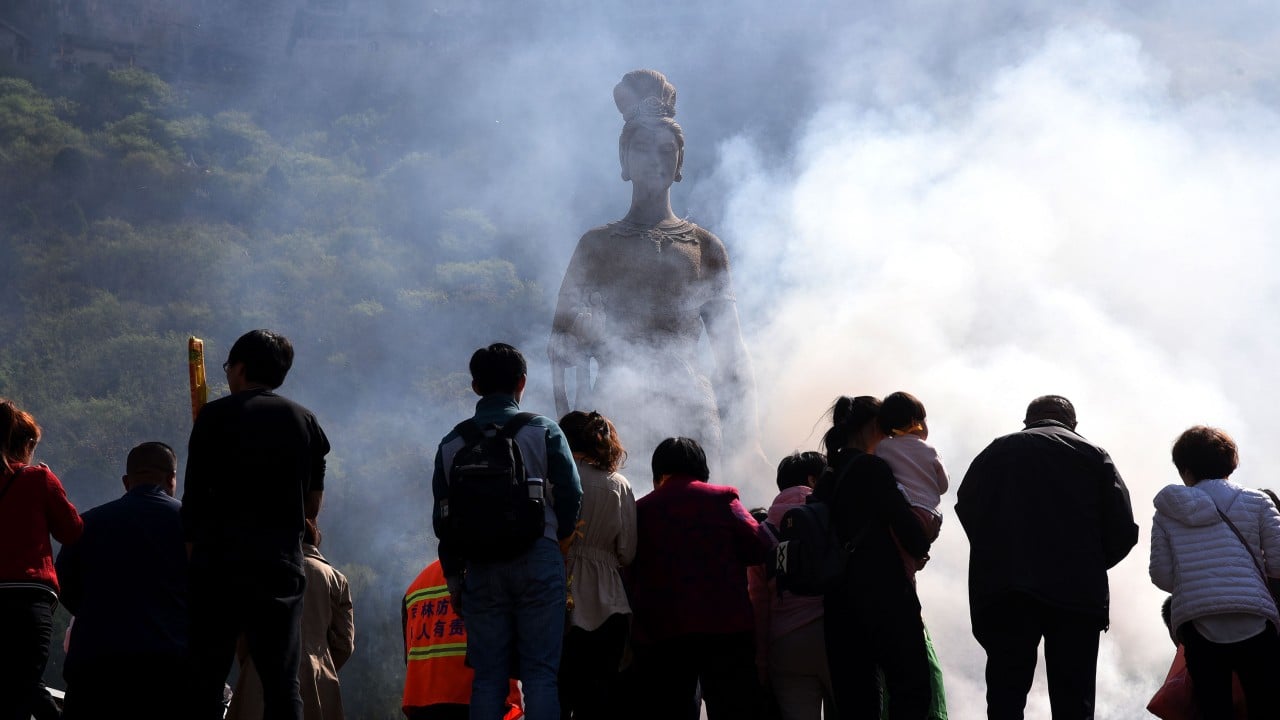
In certain regions of China, a tradition known as 'tian chuan,' or 'sky breaks,' allows individuals to legitimately 'lie flat' for a day each year as a means to ward off bad luck. This practice is observed on the 20th day of the first lunar month. The day's name and significance are tied to the myth of Nuwa, a mother goddess credited with mending the sky, which is said to break once a year on this particular day. While many Chinese people joke about working hard due to anxieties about falling behind, this tradition offers a sanctioned day of rest to prevent misfortune.