Key facts
- Apple Daily, a pro-democracy Hong Kong newspaper, ceased publication on June 24, 2021.
- The closure occurred under the National Security Law imposed by China.
- Founder Jimmy Lai and several senior staff were convicted and sentenced to prison.
- Six former staffers pleaded guilty to charges of foreign collusion.
- The newspaper was known for its investigative reporting and coverage of politically sensitive events.
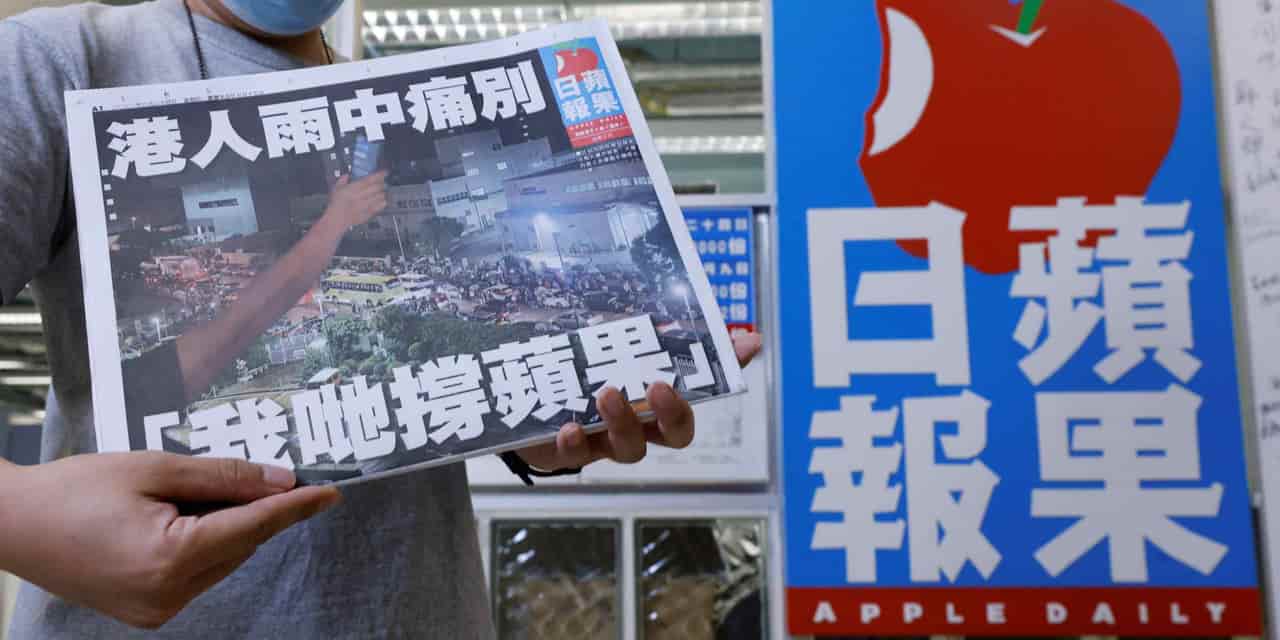
Five years after its final issue, former staffers of the pro-democracy Hong Kong newspaper Apple Daily are reflecting on its closure. The newspaper, which operated for 26 years with a mission to serve the people of Hong Kong and challenge authority, printed its last edition on June 24, 2021, under the shadow of the National Security Law.
Founded on June 20, 1995, Apple Daily established itself as a voice for dissent, consistently covering politically sensitive events such as the Tiananmen Square crackdown and annual public marches. It gained a loyal readership through its aggressive investigative reporting, which exposed various political and corporate scandals, including a 2000 exposé of legislator Cheng Kai-nam and a 2003 revelation about Financial Secretary Antony Leung's vehicle purchase before a tax increase announcement.
Following the imposition of the National Security Law, the newspaper's founder, Jimmy Lai, and six senior editorial staff were convicted and received prison sentences of up to 20 years. In a related case, six former staffers and the parent company Next Digital pleaded guilty to charges of foreign collusion. Prosecutors alleged that these individuals conspired with Lai to call for sanctions or blockades against Hong Kong or China, using the newspaper as a platform for seditious content aimed at swaying public opinion.
The closure of Apple Daily is widely seen as a symbol of the broader transformation of Hong Kong, marked by a sharp decline in press freedom and increasing legal and political pressures on journalists. Many observers argue that the city has lost a significant part of its civic culture.