Key facts
- Latin America and Europe are considered bystanders in the AI race.
- The AI race is primarily a contest between the US and China.
- Brazil's President Lula has a top foreign policy adviser named Celso Amorim.
- Celso Amorim advocates for Brazil to draw capital and technology from both the US and China.
- A poll by Public First surveyed 15 countries regarding AI.
- China's AI models are perceived as leading global innovation in 11 out of 15 surveyed countries.
- Key US allies were among the surveyed countries.
- Chinese AI models are considered less trustworthy than those from the US and Japan.
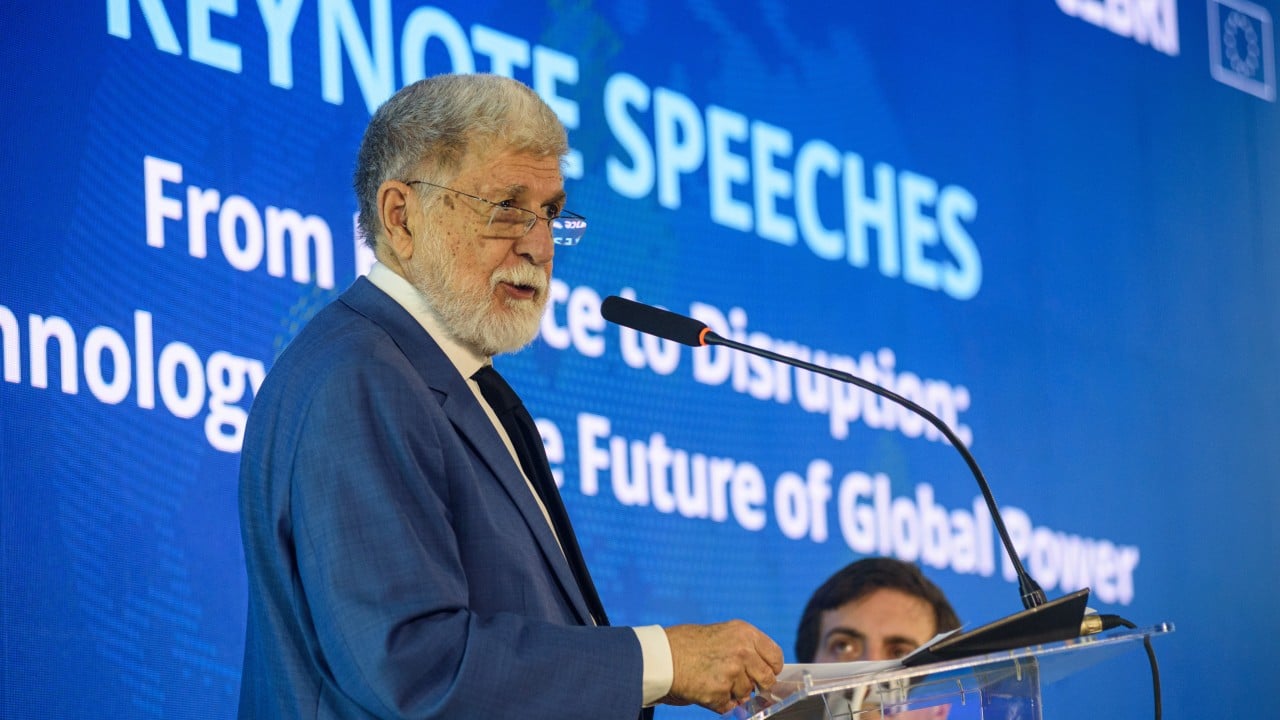
Latin America and Europe are currently bystanders in the escalating artificial intelligence race, a competition that has largely narrowed to a two-power contest between the United States and China. This assessment comes from Celso Amorim, a top foreign policy adviser to Brazil's President Lula. Amorim advocates for Brazil to strategically draw capital and technology from both the US and China to advance its own AI capabilities. He believes that the current landscape leaves other regions, including Latin America and Europe, on the periphery of this critical technological development.
In parallel, a new poll conducted by Public First reveals a complex global perception of China's artificial intelligence advancements. The survey found that China's AI models are perceived as leading global innovation in 11 out of 15 surveyed countries. This perception extends to key US allies, indicating a widespread acknowledgment of China's technological progress in the AI sector. However, the same poll also highlights a significant trust deficit concerning Chinese AI models. The survey indicates that these models are considered less trustworthy when compared to AI developed in the United States and Japan, suggesting a dichotomy between perceived innovation and actual user confidence.
The dynamics of the global AI race are increasingly shaped by geopolitical considerations and technological competition between the world's leading economies. The US and China are investing heavily in AI research and development, aiming to secure economic and strategic advantages. Regions like Latin America and Europe, while possessing their own technological ambitions, face challenges in keeping pace with the rapid advancements and substantial investments made by the two AI superpowers. The poll's findings on trust further complicate the landscape, as widespread adoption of AI technologies often hinges on user confidence and perceived ethical standards.