Key facts
- China's EAST fusion reactor aims for ignition by 2027.
- Ignition would mean sustaining plasma without external heating.
- This achievement could position China ahead in fusion research.
- Fusion energy promises a clean and abundant energy source.
- EAST is an Experimental Advanced Superconducting Tokamak.
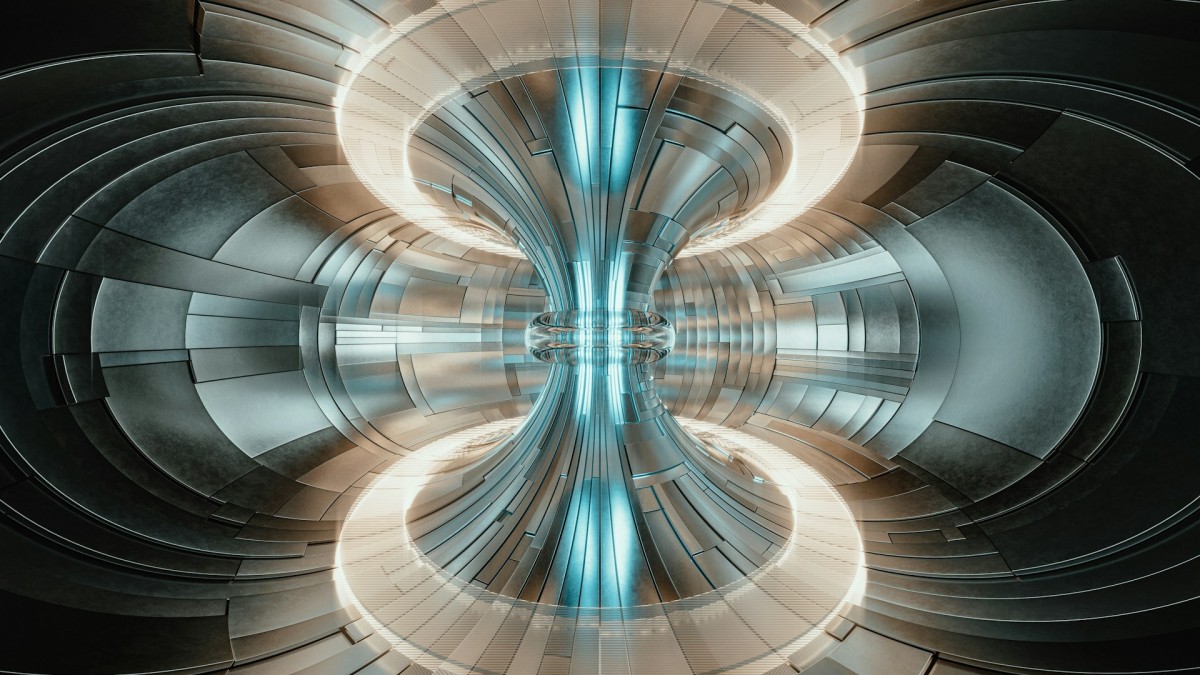
China's Experimental Advanced Superconducting Tokamak (EAST) fusion reactor is reportedly on track to achieve ignition by the year 2027. This projected milestone represents a critical step in fusion energy research, as it aims to be the first reactor to sustain plasma without the need for external heating. Such an achievement would signify a major advancement in the global pursuit of clean, virtually limitless energy.
The EAST reactor's potential success in reaching ignition by 2027 could place China at the forefront of fusion research, potentially challenging the current lead held by the United States in this complex scientific endeavor. Fusion energy, which mimics the process that powers the sun, promises a clean and abundant energy source, free from the greenhouse gas emissions associated with fossil fuels and the long-lived radioactive waste of conventional nuclear fission.
The development of fusion power has been a long-standing global scientific challenge, requiring immense technological innovation and sustained investment. Achieving sustained plasma confinement and high temperatures necessary for fusion reactions has been a primary hurdle. EAST's progress indicates significant strides in overcoming these obstacles, with the 2027 target suggesting a confident outlook from the research team.