Key facts
- South Korea's requirements for physical isolation of government servers and data localization policies are seen as barriers to AI development.
- U.S. official Russ Headlee stated these policies could increase security risks for South Korea.
- Headlee warned against 'appeals to digital sovereignty' designed to discriminate against American companies.
- The U.S. official suggested modernized regulations with logical server separation and cross-border data flows for certain data types.
- Headlee argued that restrictive data localization and foreign cloud provider restrictions do not strengthen national security or domestic economies.
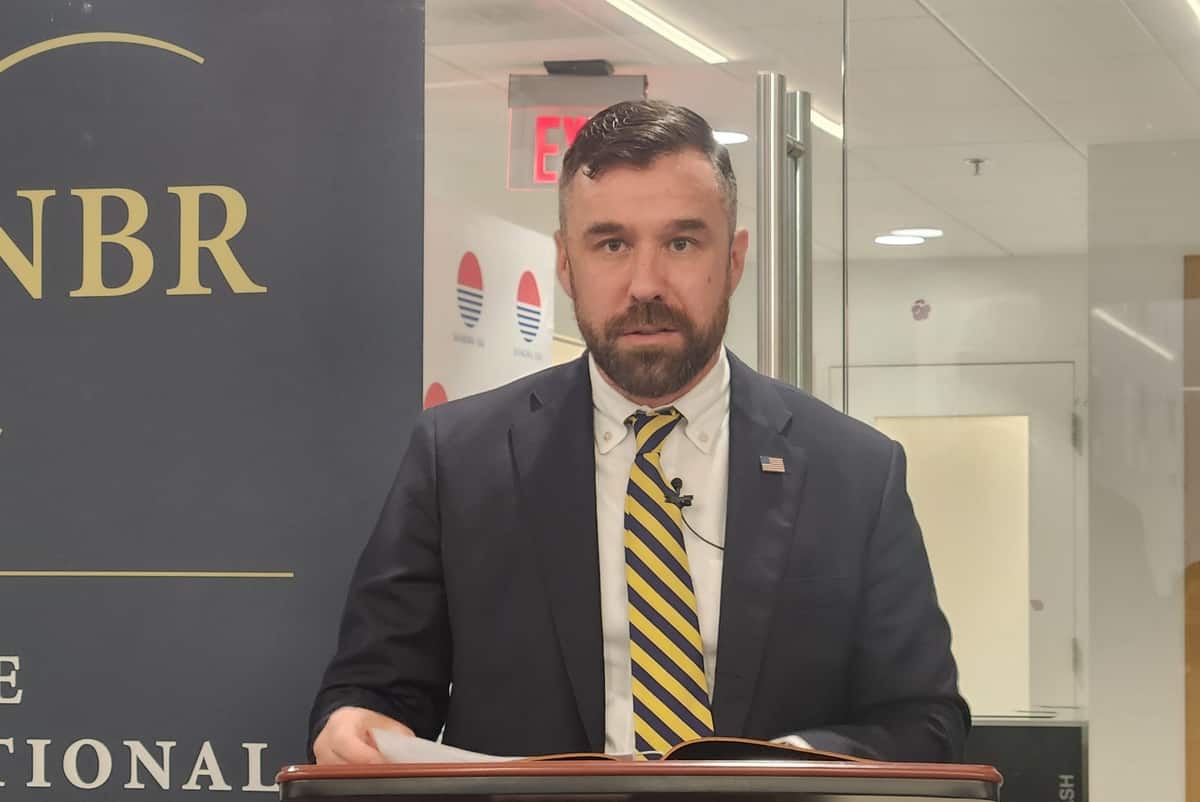
A senior U.S. official has identified South Korea's data localization and network separation policies as significant obstacles to the nation's artificial intelligence development. Russ Headlee, a senior bureau official for cyberspace and digital policy at the State Department, stated that these regulations, often framed as 'digital sovereignty,' could inadvertently increase security risks for South Korea and unfairly exclude American technology companies.