Key facts
- Ukraine's Supreme Court has been criticized for resistance to judicial reform and corruption scandals.
- Former Supreme Court chairman Vsevolod Kniazev was sentenced to five years in jail for bribery.
- The EU requires audits of incumbent Supreme Court judges' integrity declarations with international expert involvement as a condition for EU accession.
- Supreme Court Chairman Stanislav Kravchenko interprets the EU's demands as a risk-based review rather than a blanket audit.
- Judicial watchdogs argue that Ukraine has failed to implement meaningful Supreme Court reform, potentially delaying EU accession.
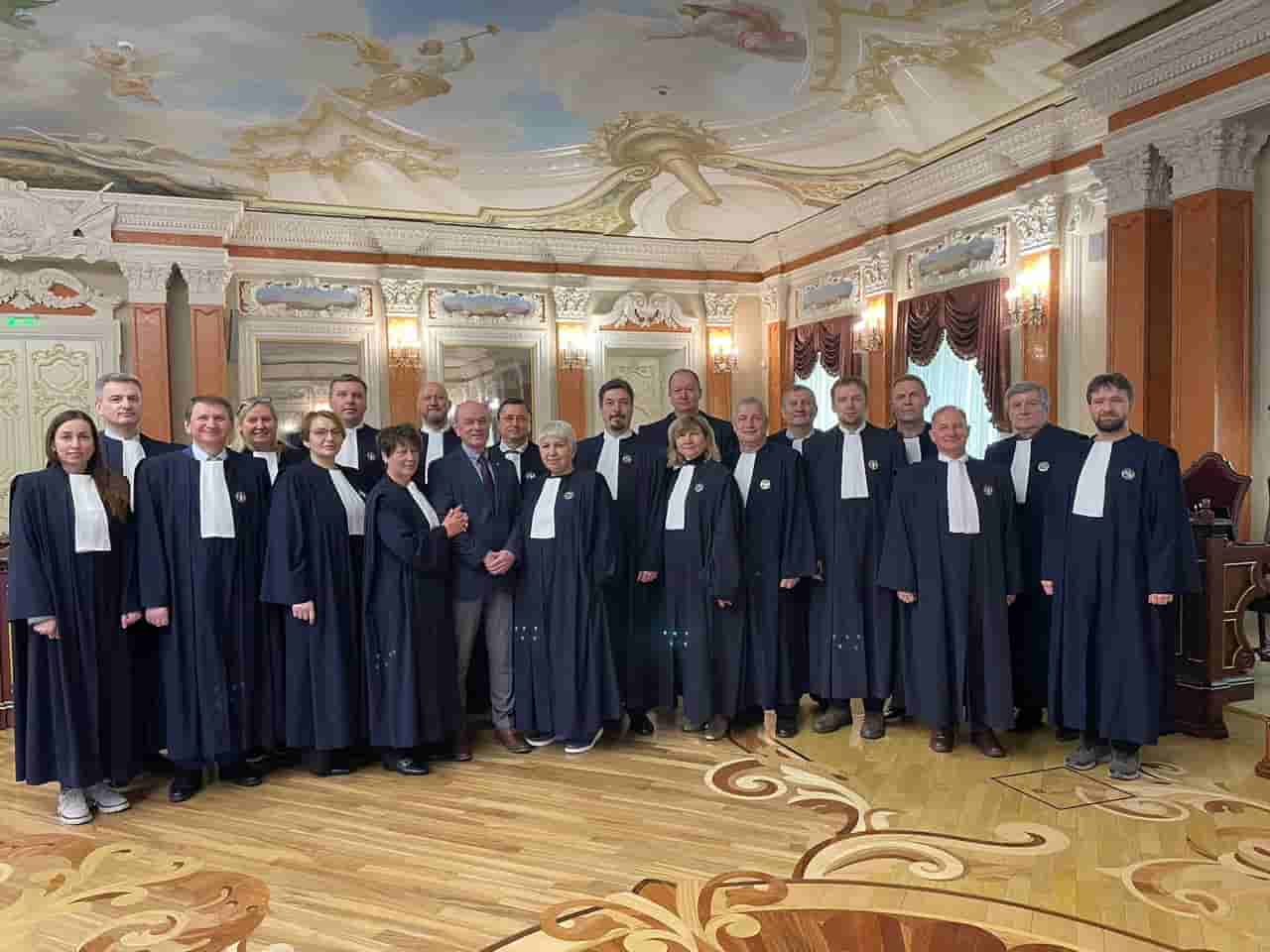
Ukraine's Supreme Court, once envisioned as a cornerstone of Western-backed reforms, is facing intense scrutiny over persistent corruption and resistance to judicial overhaul. The recent conviction of its former chairman, Vsevolod Kniazev, on bribery charges has amplified calls for a thorough cleansing of the judiciary, particularly as Ukraine pursues European Union membership.
The EU has made the integrity of Supreme Court judges a key condition for its support, demanding that international experts be involved in auditing judges' integrity declarations. This requirement is embedded in lending programs and accession negotiations, signaling the bloc's commitment to upholding the rule of law.
However, interpretations of these demands differ. While judicial watchdogs and civil society groups advocate for a comprehensive review, Supreme Court Chairman Stanislav Kravchenko suggests a more targeted, risk-based approach, which critics argue could undermine genuine reform efforts. The Public Integrity Council has previously identified a significant percentage of incumbent judges as not meeting integrity and ethics standards.
Despite passing a bill on judges' integrity declarations, critics argue that Ukrainian authorities have been slow to implement reforms, particularly regarding the mandatory involvement of international experts. The lack of clear deadlines and specific commitments related to judicial reform raises concerns about indefinite postponement, potentially jeopardizing Ukraine's EU accession trajectory.