Key facts
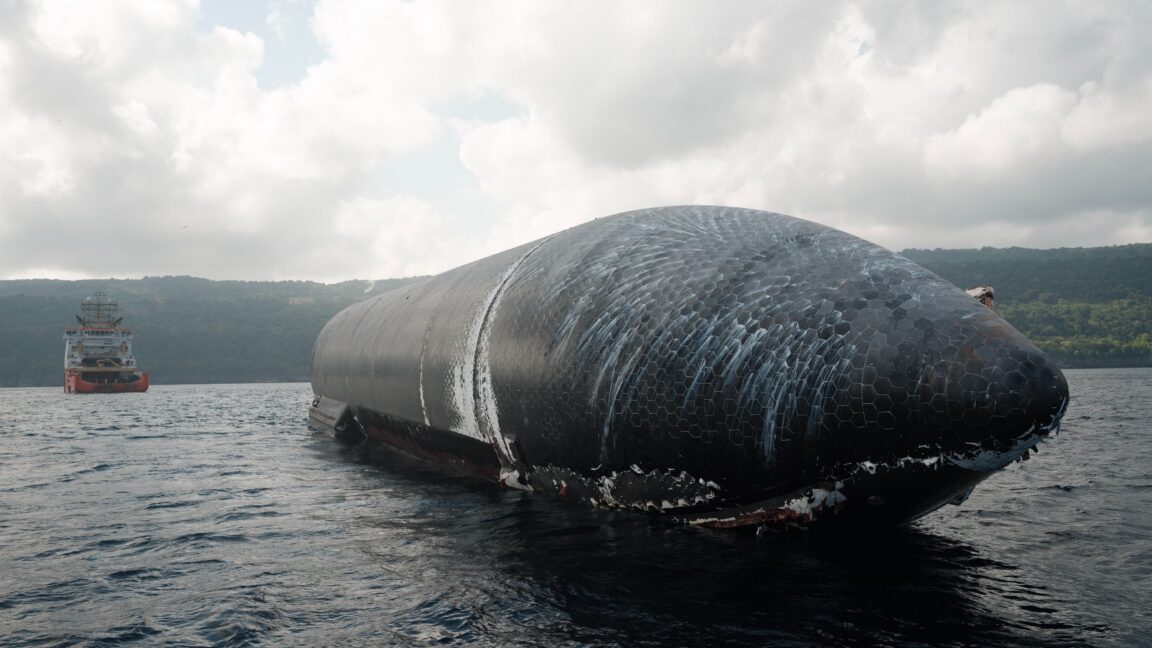
- SpaceX successfully salvaged its Starship spacecraft from the Indian Ocean.
- The vehicle sustained damage during its ocean splashdown, including to its engines and structure.
- Saltwater exposure poses corrosive effects on the spacecraft's components.
- Elon Musk initially expressed concerns about the success of the recovery operation.
- SpaceX aims to catch future Starships at the launch site to enable rapid reuse.
SpaceX has successfully recovered its Starship spacecraft from the Indian Ocean following a test flight, a feat that was uncertain until the final moments. The recovery operation, which involved keeping the vehicle afloat in rough seas using air-filled fenders, was crucial for gathering data, though the spacecraft itself sustained damage and will not be reused. The corrosive effects of saltwater on the engines, stainless steel structure, and sensitive electronics, along with damage from a tip-over after splashdown, preclude its reuse. Elon Musk, SpaceX's CEO, had previously stated that recovering the ship was "not looking good." The company intends to implement a new recovery strategy for future Starships, aiming to catch the vehicles directly at the launch site using mechanical arms on the launch tower. This method is expected to expedite the reuse of the vehicles. The heat shield, composed of approximately 18,000 ceramic tiles, is a critical component for SpaceX's goal of rapid reusability, a feature essential for building bases on the Moon and Mars or establishing orbital data centers. Musk has identified the heat shield as the company's most pressing unsolved problem, though he recently declared it "solved." Industry experts remain cautious, questioning whether the current heat shield can withstand the high flight rates SpaceX envisions.