Key facts
- SpaceX's IPO is scheduled for Friday with an initial valuation of $1.75 trillion.
- The company is described as an AI company that will need to invest heavily to compete with rivals.
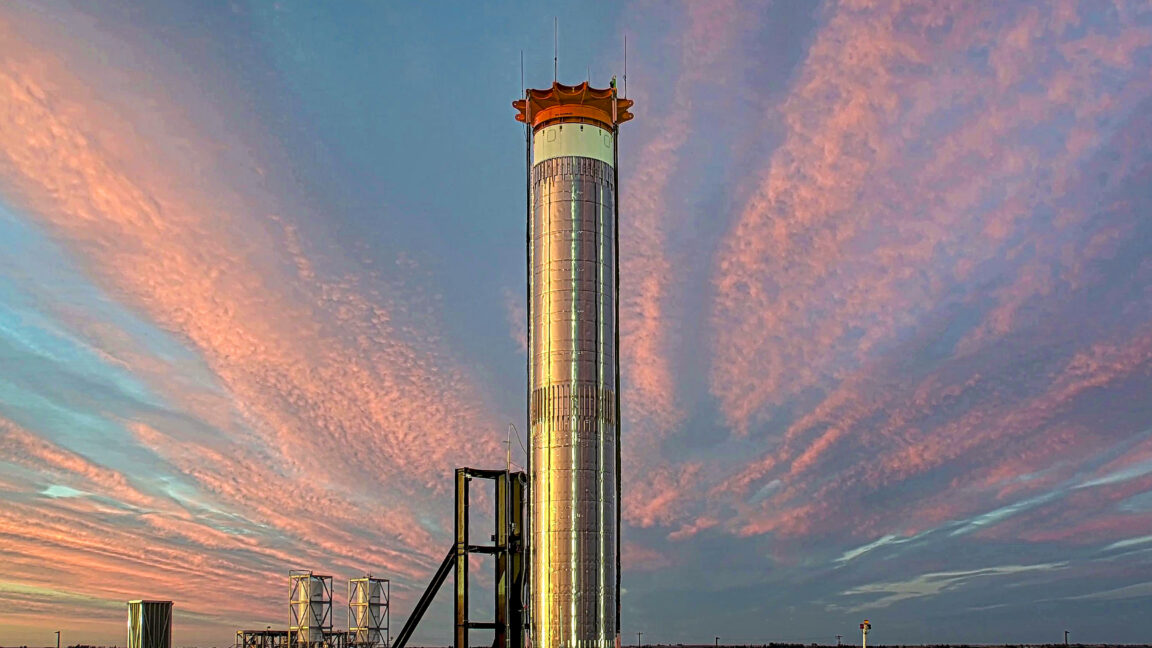
- Stoke Space completed structural verification tests for its Nova rocket's first stage.
- Isar Aerospace secured 270 million euros in Series D funding and announced a new launch window.
- Interest in offshore rocket launch is growing as a way to expand US launch capacity.
SpaceX is preparing for its Initial Public Offering (IPO) this Friday, with an initial valuation set at $1.75 trillion. Analysts suggest the company is essentially an AI firm that will require significant investment to compete with rivals like Anthropic and OpenAI. However, SpaceX could gain a substantial advantage if it successfully delivers data centers from space.
In other space industry news, Stoke Space has completed proto-qualification of its Nova rocket's first stage, targeting a late 2026 debut. German startup Isar Aerospace announced a 270 million euro Series D funding round to scale production and aims for a second launch between June 15 and June 21. HyImpulse and Oman's Etlaq Spaceport are exploring a potential operational presence in Oman.
Meanwhile, NASA is considering alternative launch vehicles for the Artemis III mission following the loss of Blue Origin's New Glenn and its launch pad. A Dutch-built Barracuda rocket experienced an anomaly during its launch from Canada. Interest in sea-based rocket launch is also resurfacing as a strategy to expand US launch capacity and enhance resiliency.
SpaceX's Falcon 9 rocket continues its frequent flights, with one first stage, B 1067, completing its 35th mission, bringing the company closer to its goal of qualifying Falcon 9 first stages for 40 missions.