Key facts
- Reflect Orbital received FCC approval to test a satellite with a large mirror designed to reflect sunlight to Earth.
- The company aims to sell reflected sunlight for powering solar farms and illuminating areas without electricity.
- Scientists have raised concerns about potential negative impacts on human health, wildlife, agriculture, and astronomical research.
- Over 1,800 public comments and letters from international scientific societies were submitted to the FCC opposing the project.
- Reflect Orbital plans to launch a demo satellite by year-end and aims for 50,000 satellites by 2035 if successful.
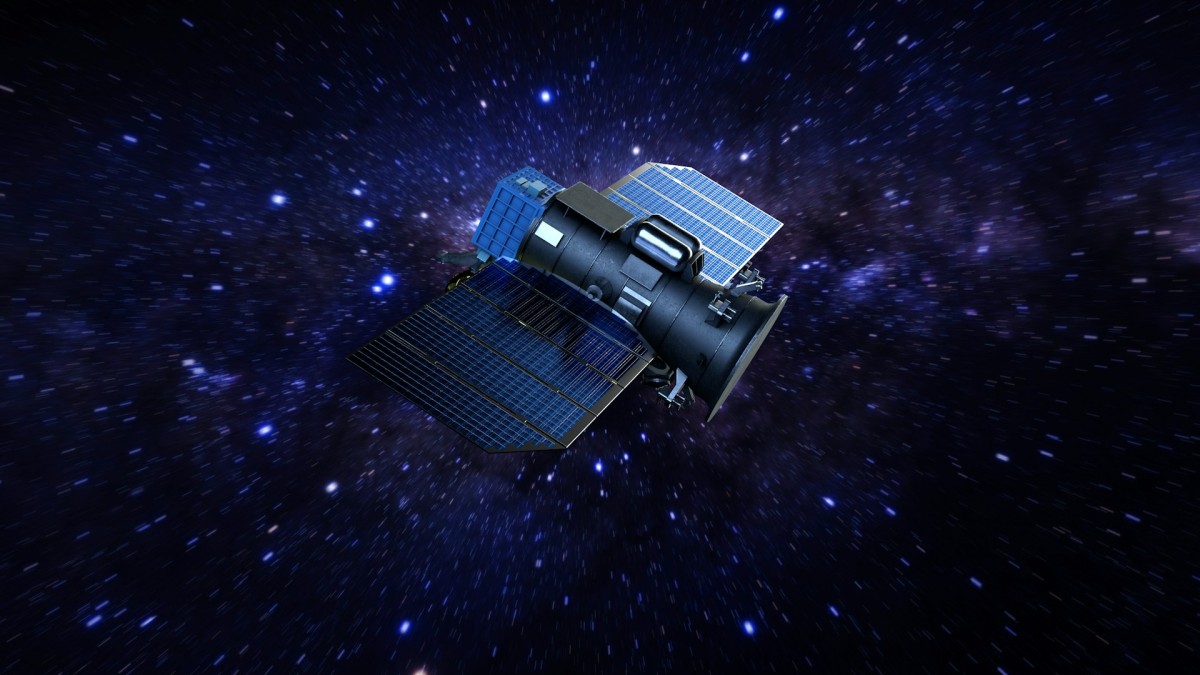
A California-based startup, Reflect Orbital, has received approval from the United States Federal Communications Commission (FCC) to test a controversial satellite equipped with a large mirror. The company aims to use this technology to reflect sunlight back to Earth, potentially powering solar farms and providing illumination at night.
Reflect Orbital secured $20 million in Series A funding in May 2025 and plans to launch its Eärendil-1 demonstration satellite into low Earth orbit by the end of the year. The FCC described the project as potentially groundbreaking technology that could enhance American leadership in space. Once deployed, the satellite will unfurl a thin-film reflector to direct sunlight onto areas between 5 and 6 kilometers wide, with adjustable brightness. The company intends to sell this reflected sunlight to businesses and municipalities.
However, the project faces significant opposition from scientists who are concerned about its potential environmental and astronomical impacts. Critics warn that the light beams could blind pilots, disrupt astronomical research, interfere with human and animal circadian rhythms, and negatively affect wildlife migration and marine ecosystems. Roohi Dalal, director of public policy at the American Astronomical Society, stated that the proposed activities will impact Earth's environment, including human health, agriculture, and wildlife, in addition to astronomy.
Over 1,800 comments were submitted to the FCC, and presidents of four international scientific societies representing approximately 2,500 researchers have voiced their concerns. They have urged the FCC to conduct a full environmental review and establish limits on satellite reflectivity and cumulative night sky brightness. Charalambos Kyriacou, president of the European Biological Rhythms Society, emphasized the need for careful consideration due to potential global implications for food security, as plants require darkness.
The FCC, however, maintains that space is not subject to the same environmental regulations as Earth. Reflect Orbital's co-founder and CEO, Ben Nowack, stated that the pilot project will enable the company to gather data and confirm the effectiveness of its safeguards for controlling light beams. He expressed gratitude to the FCC for recognizing the importance of testing novel space technologies.
If the pilot project proves successful, Reflect Orbital plans to launch an additional 1,000 satellite mirrors by 2028 and a total of 50,000 by 2035. Future satellites could feature mirrors up to 55 meters wide, with projected sunbeam brightness four times that of the full Moon. While the startup highlights the potential for clean energy, environmentalists point to the carbon emissions from rocket fuel used to launch satellites.
Other companies are also exploring similar concepts. Elon Musk's SpaceX has proposed a network of up to 1 million satellites for a solar-powered computing network to support artificial intelligence, aiming to reduce the energy demands of terrestrial data centers. However, SpaceX's existing Starlink network has already faced criticism for contributing to space congestion.