Key facts
- Snails engineer their mucus using a combination of collagen and calcium.
- This allows for varying mechanical properties in different types of snail slime.
- Collagen IV is the primary structural protein in snail mucus.
- Amorphous calcium carbonate (ACC) plays a role in reinforcing mucus properties.
- Researchers analyzed five distinct types of mucus secreted by the grove snail.
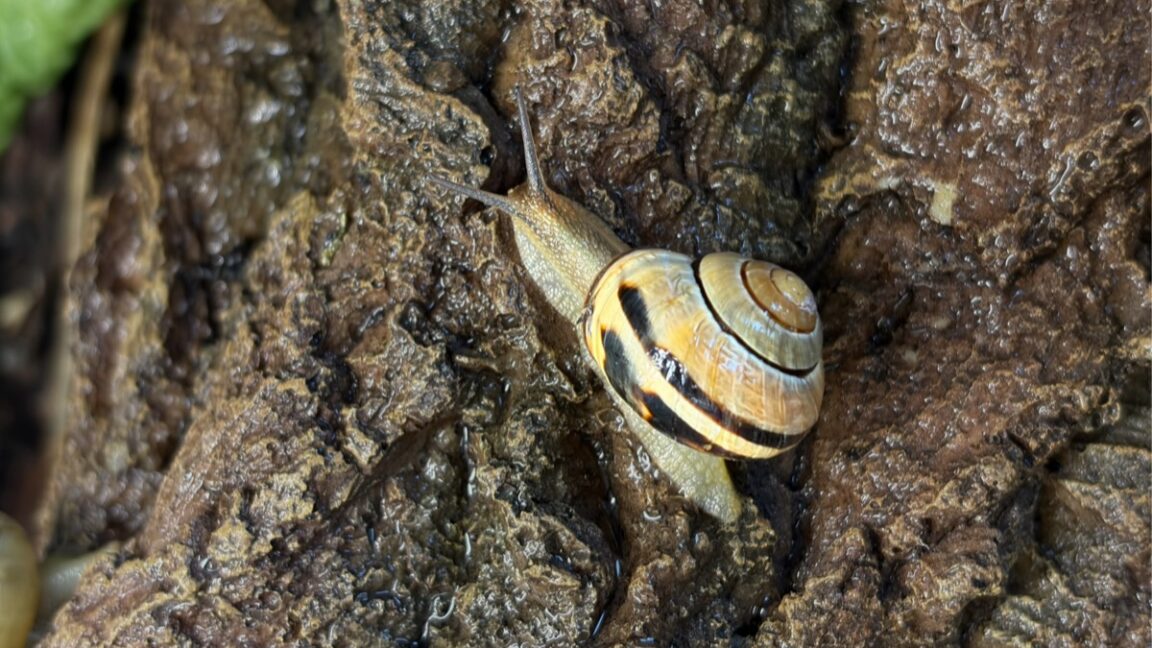
Snails are known for their mucus, which has potential applications in cosmetics and drug delivery due to its anti-inflammatory and anti-aging properties. Scientists have discovered that snails achieve the tunable mechanical properties of their slime through a combination of collagen and calcium. Research on the grove snail (Cepaea nemoralis) revealed that while collagen IV serves as the main structural component across all five types of mucus it secretes, the varying quantities of protein and the addition of amorphous calcium carbonate (ACC) dictate the slime's distinct characteristics. Calcium is actively secreted with the mucus, acting as an ion source for cross-linking or a mineral precursor for reinforcement, enabling the slime to function as a lubricant, adhesive, protective layer, or defensive substance.