Key facts
- NASA's launch infrastructure at Kennedy Space Center is aging and cannot meet growing demands.
- Companies like SpaceX and Blue Origin are increasing demand with super heavy-lift rockets.
- Concerns exist regarding the electricity distribution system and gaseous nitrogen availability.
- SpaceX plans up to 120 Starship launches annually, while Blue Origin projects 120 New Glenn launches.
- Developing new launch pads is difficult due to limited space and protected wetlands.
- Budgets for infrastructure maintenance and construction have decreased significantly since 2021.
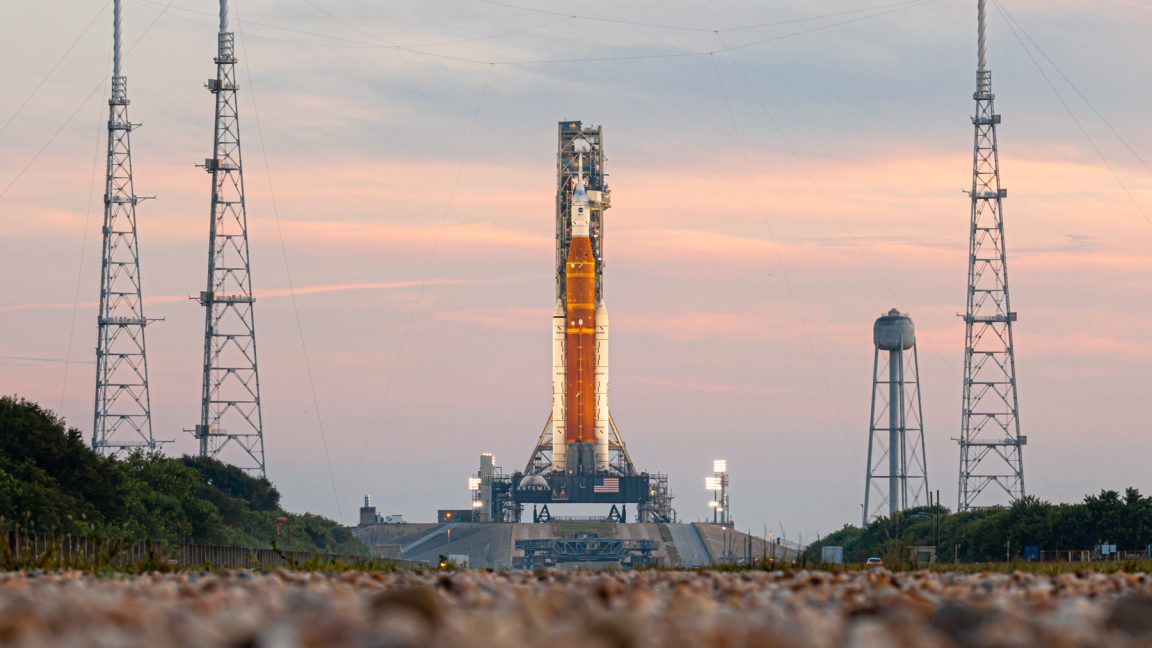
NASA's launch infrastructure at Kennedy Space Center, a critical asset for national and commercial space endeavors, is facing significant strain due to aging systems and increasing demand from private companies, according to a report by the NASA Office of Inspector General. The report highlights that the current facilities are not adequately prepared for the era of super heavy-lift rockets like SpaceX's Starship and Blue Origin's New Glenn.
The report details issues with aging infrastructure, including a six-decade-old electricity distribution system and insufficient availability of gaseous nitrogen, which is crucial for fueling, testing, and launching rockets. These limitations have already caused scheduling challenges and could lead to extended "blackout periods" during major launch campaigns.
Demand is projected to surge, with SpaceX planning to launch Starship as frequently as every eight days and estimating 120 annual launches. Blue Origin also projects 120 annual launches of its New Glenn rocket by 2035. This increased activity is expected to place significant strain on Kennedy's systems, potentially exceeding the number of days in a year by late 2028 or 2029.
Developing new launch pads for these massive rockets presents further challenges. Space is limited, and potential sites may be located in protected wetlands, requiring extensive and lengthy federal and local review processes. Compounding these issues, NASA's budgets for construction and maintenance on launch-related infrastructure have decreased between 11 and 47 percent when adjusted for inflation since 2021, making it difficult to address the growing needs.