Key facts
- NASA released a draft Request for Proposals (RFP) for private space stations.
- The document outlines requirements for companies developing stations in low-Earth orbit.
- Industry stakeholders expressed relief that NASA abandoned a 'core module' concept.
- Concerns include delays in the program and a high number of detailed requirements.
- NASA aims to ensure a continuous human presence in low-Earth orbit after the International Space Station's planned retirement.
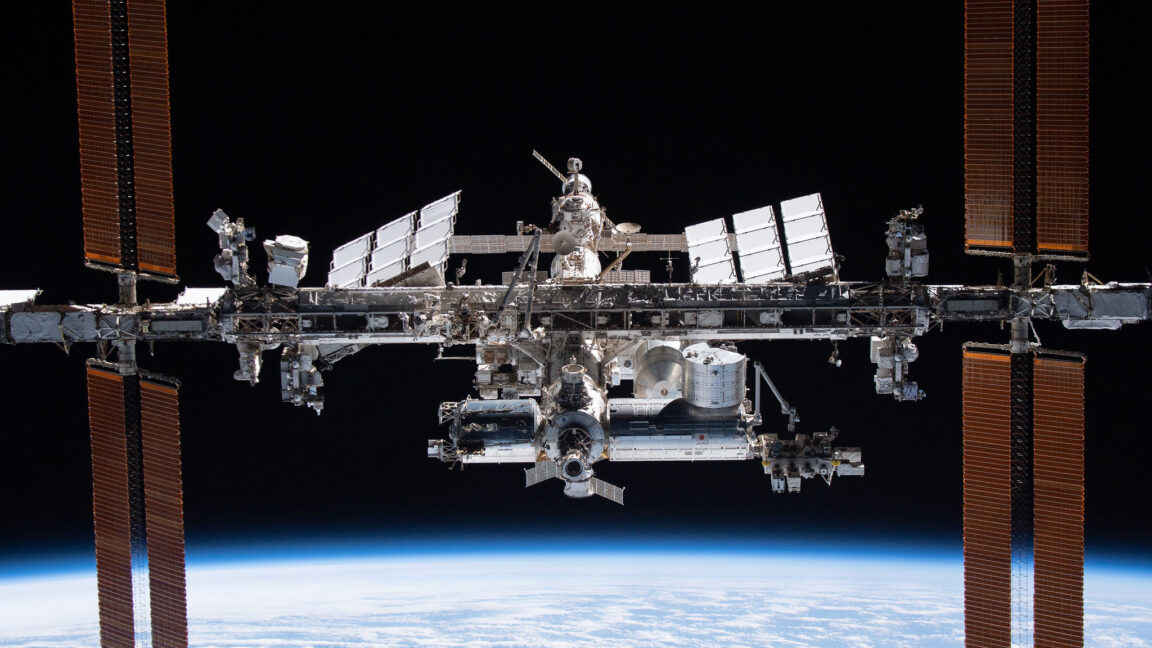
NASA has released a critical planning document, a draft Request for Proposals (RFP), providing clarity for companies aiming to build private space stations in low-Earth orbit. The document comes as the International Space Station (ISS) is slated for retirement by 2030, creating urgency to establish commercial alternatives and avoid a gap in human orbital presence.
Previously, NASA had funded three companies for concept development and provided $140 million to Axiom Space. However, the second phase of the program, intended for substantial construction and launch funding, faced delays due to congressional funding uncertainties and a previous directive from interim administrator Sean Duffy that indicated rule changes. This directive was later rescinded.
Industry feedback has been mixed, with officials expressing relief that NASA discarded a controversial 'core module' idea, which many competitors viewed as an attempt by NASA's Johnson Space Center to maintain control over station operations. However, concerns remain regarding the significant time lost, as companies have struggled to secure funding and support growing workforces. The draft RFP itself contains a large number of requirements, estimated by some participants to exceed 3,000, which could limit design freedom and increase costs.
Phil McAlister, former chief of commercial spaceflight at NASA, noted that the document resembles a cost-plus contract within a firm fixed-price structure, questioning NASA's willingness to fund the extensive requirements. Key questions persist about the total available funding, estimated between $1.5 billion over five years or potentially less, and how many companies will share it. NASA Administrator Jared Isaacman stated the agency is committed to supporting industry efforts to maintain a continuous human presence in orbit. A final RFP is anticipated in September, with contract awards expected next spring.