Key facts
- Seeing Machines reported a 45% increase in revenue to $76.3 million for the fiscal year.
- Revenue in the second half of the year alone surged 126%.
- Royalties revenue jumped 135% year-on-year to $33.9 million.
- Production volumes of cars using Seeing Machines technology expanded by 195% to nearly 4.5 million units.
- The firm expects earnings before tax between $10.7 million and $11.7 million for the second half, a swing from a loss in the first half.
London-based AI car firm Seeing Machines has reported a significant surge in revenue, reaching $76.3 million, a 45% increase from the previous year. This growth is largely attributed to new European safety legislation that mandates camera-based driver monitoring technology in all new vehicle registrations. The European Union’s General Safety Regulation (GSR), effective from July 7, 2026, has driven demand for Seeing Machines' driver-tracking software.
In the second half of the fiscal year alone, revenue saw a substantial 126% increase. Royalties revenue specifically jumped 135% year-on-year to $33.9 million as global car manufacturers accelerated the integration of Seeing Machines' systems. Production volumes of vehicles equipped with the company's technology expanded by 195% to nearly 4.5 million units. The fourth quarter marked a new record, with production hitting 2.1 million units, a 333% increase compared to the previous year.
Seeing Machines expects its earnings before tax for the second half of the year to be between $10.7 million and $11.7 million, a notable shift from a $13.7 million loss in the first half. The company anticipates closing the fiscal year with $4.3 million in cash.
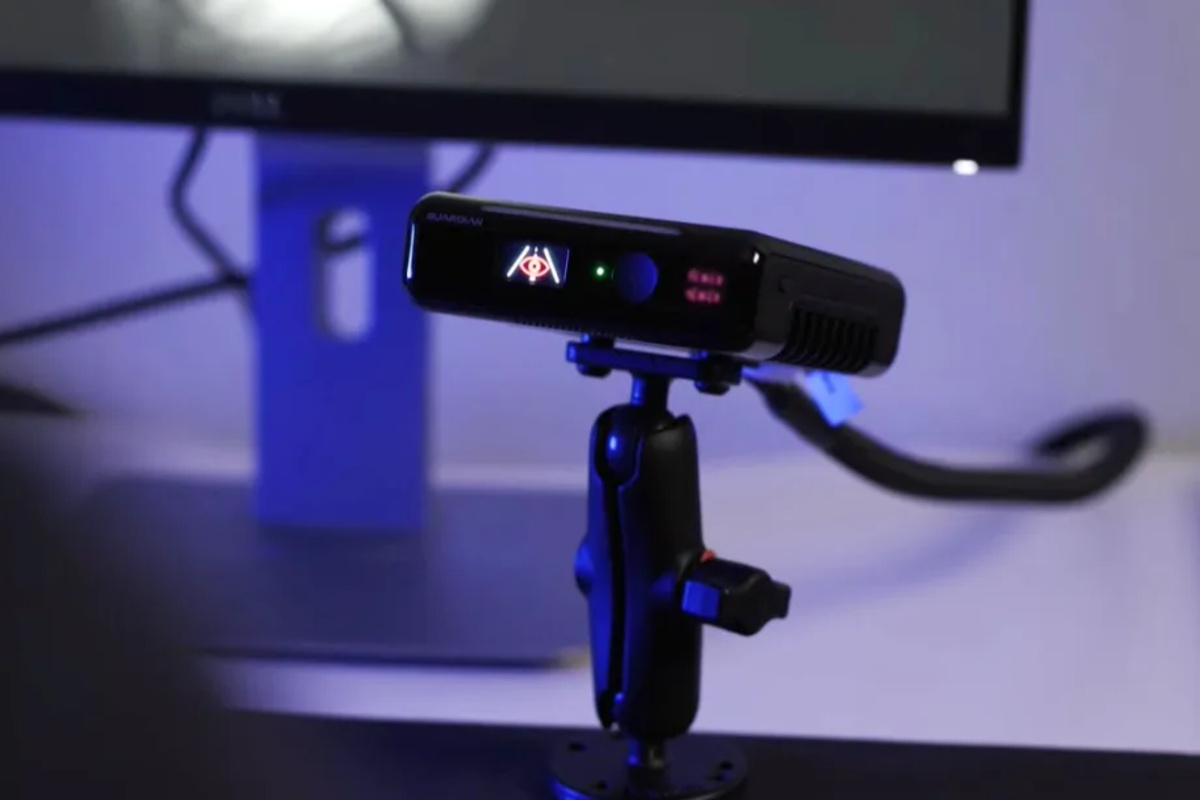
Beyond its core driver-tracking software, Seeing Machines has expanded its global reach by securing partnerships with three new Japanese automakers and adding $40 million in new program expansions with existing European manufacturers. It is estimated that over 8.2 million vehicles worldwide are currently operating with the company’s safety software. The firm's commercial fleet technology, Guardian, also experienced a strong quarter, with hardware unit sales increasing by 90% in the final quarter, contributing $15 million to the full-year revenue.
Paul McGlone, chief executive of Seeing Machines, described the financial year as "pivotal," emphasizing that regulatory requirements are increasingly underpinning the demand for their systems.