HomeEverythingEducation
Equities & FundsCrypto & Digital AssetsAI & TechnologyBusiness & CorporateUS Politics & PolicyGeopolitics & Global RiskMacro, Rates & FXCommodities & EnergyEuropean Politics & MarketsAsia-PacificReal Estate & Property
Story archiveAll categories
← All Stories

Impulse Space developing kick stage for military launch competition

Created at 9 Jul · 1:15 PM1 source↑ Market-relevant
IN SHORT

Impulse Space is developing a "kick stage" called Helios, designed to enhance the performance of existing rockets for military launch contracts. The company aims for a 2027 flight debut.

✉Newsletter

PiQ Daily

Pick your topics. Get only what matters, on your cadence.

Key Numbers

9 km/sHelios delta-V capability
36,000 kmGeostationary orbit altitude
15,000 poundsDeneb engine thrust
2027Targeted Helios flight debut
18 to 24 monthsPost-review launch timeline

Who's Involved

Impulse Space
Developing a kick stage for military launch contracts
Helios
Impulse Space's kick stage technology
Space Force
Contracting entity for national security launches
Romo
Impulse Space representative providing development updates
SpaceX
Provider of Falcon 9 launch vehicles
United Launch Alliance
Provider of launch vehicles
Rocket Lab
Provider of launch vehicles
Relativity Space
Provider of launch vehicles and new entrant to Lane 1
Blue Origin
Original awardee of national security launch contracts
Impulse Space developing kick stage for military launch competition

↳ Why This Matters

Impulse Space's Helios kick stage aims to provide a more versatile and potentially cost-effective solution for military satellite launches by enhancing existing rocket capabilities, potentially reshaping the competitive landscape for national security space missions.

Key facts

  • Impulse Space is developing a "kick stage" called Helios.
  • Helios can increase a payload's velocity by up to 9 km/s.
  • The stage is designed to be integrated with existing medium-lift rockets.
  • Successful flight demonstration is required for Impulse Space to bid on Space Force contracts.
  • The company targets a 2027 flight debut for Helios.

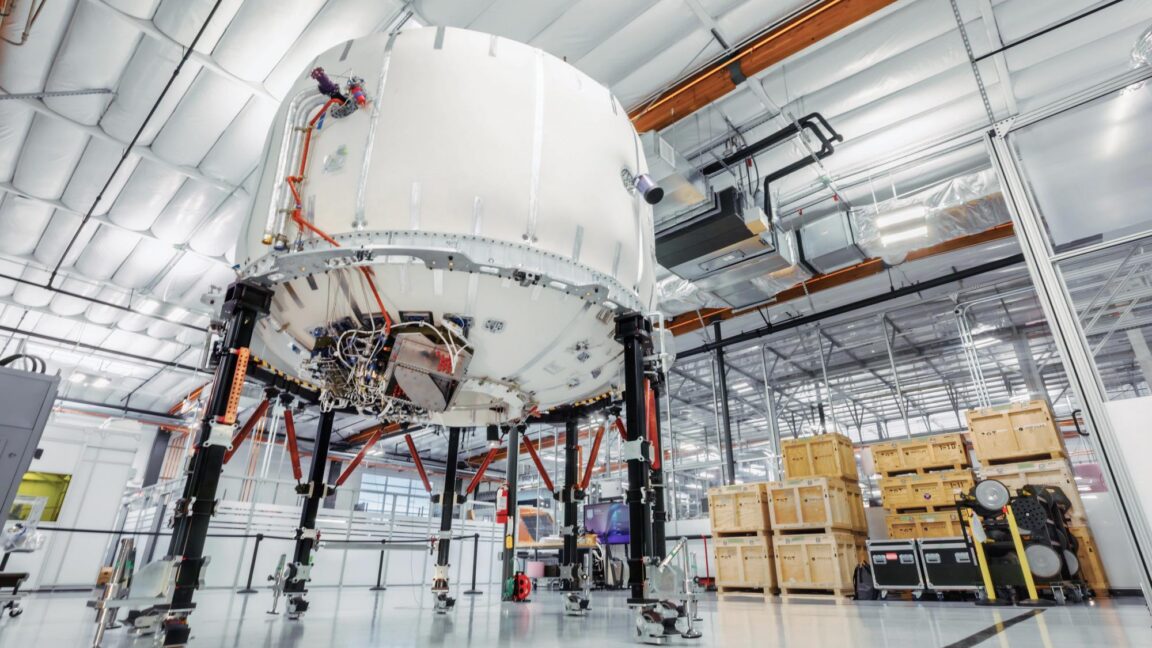
Impulse Space is developing a "kick stage" named Helios, designed to enhance the performance of existing rockets for military launch contracts. This technology allows a medium-lift rocket, such as SpaceX's Falcon 9, to achieve the capabilities of a larger vehicle, providing up to 9 km/s of delta-V to boost payloads from low-Earth orbit to geostationary orbit.

Under Lane 1 of the national security launch program, Impulse Space will contract with the Space Force to provide end-to-end launch services, integrating its Helios stage with a chosen rocket and satellite. Helios is designed for compatibility with a range of launch vehicles, including those from SpaceX, United Launch Alliance, Rocket Lab, and Relativity Space.

To be eligible for Lane 1 contracts, Impulse Space must first successfully demonstrate Helios in flight. Following a review by the US Space Force, the company can pursue task orders, with potential launches occurring 18 to 24 months later. The company is currently progressing with development, having shipped a "run tank" to its test stand in Mojave, California, and is testing its liquid oxygen and methane-powered "Deneb" engine, which produces 15,000 pounds of thrust.

Impulse Space and Relativity Space are the latest companies to join Lane 1 of the national security launch program. They join Rocket Lab and Stoke Space, added in March 2025, and the original awardees from 2024: SpaceX, United Launch Alliance, and Blue Origin. Impulse Space is targeting a 2027 debut for Helios in flight, launching on a Falcon 9 rocket.

Frequently asked questions

Impulse Space is developing a "kick stage" called Helios, designed to enhance the performance of existing rockets for satellite deployment.

Helios provides up to 9 km/s of delta-V, enabling a medium-lift rocket to boost a payload from low-Earth orbit to geostationary orbit.

Impulse Space is targeting a 2027 flight debut for Helios, following successful testing and demonstration.

Helios is designed to be compatible with a range of rockets, including SpaceX's Falcon 9, and those from United Launch Alliance, Rocket Lab, and Relativity Space.

What Happens Next

01Impulse Space must successfully demonstrate Helios in flight.
02The company will undergo a post-flight review by the US Space Force.
03Impulse Space can then seek to win task orders for launches.
04Targeting a 2027 flight debut for Helios.

Get the newsletter.

Pick the topics you actually care about. We'll email when there's news worth your time, on the cadence you choose. Cancel any time from your account.

Cadence

How It Developed

Impulse Space is developing a kick stage named Helios.
Helios can provide 9 km/s of delta-V, boosting payloads to geostationary orbit.
The kick stage is compatible with various rockets, including SpaceX's Falcon 9.
Impulse Space must successfully demonstrate Helios in flight to bid on Space Force contracts.
The company is testing a "run tank" and its "Deneb" engine.
A 2027 flight debut on a Falcon 9 is targeted.
Impulse Space and Relativity Space recently joined the national security launch program's Lane 1.

Sources

T1
The newest entrant in the military’s launch competition isn’t actually a launch companyvar abtest_2162352 = new ABTest(2162352, 'impression');Ars Technica

Related Stories

Rocket developers used to chase satellite trends. Is the inverse now true?
9 Jul · 11:05 AM
City Labs launches world's first commercial nuclear-powered satellite
8 Jul · 5:30 PM
Thousands of routers bricked after Australian government program ends
8 Jul · 6:15 PM
Google revamps Android AI dev benchmark, adds Fable 5 and other agents
8 Jul · 4:45 PM
Waymo rides free in California due to regulatory delay
9 Jul · 1:36 PM