Key facts
- General Motors is hiring engineers from rival autonomous vehicle companies to develop self-driving technology.
- The company's goal is to deploy "eyes-off" driving capabilities in personal vehicles, starting with the Cadillac Escalade IQ by 2028.
- GM aims to solve the challenge of implementing self-driving technology with affordable hardware for millions of cars.
- The automaker has integrated talent and resources from its previously shut-down Cruise robotaxi venture.
- GM plans to utilize lidar sensors in its autonomous driving system, differentiating it from competitors like Tesla.
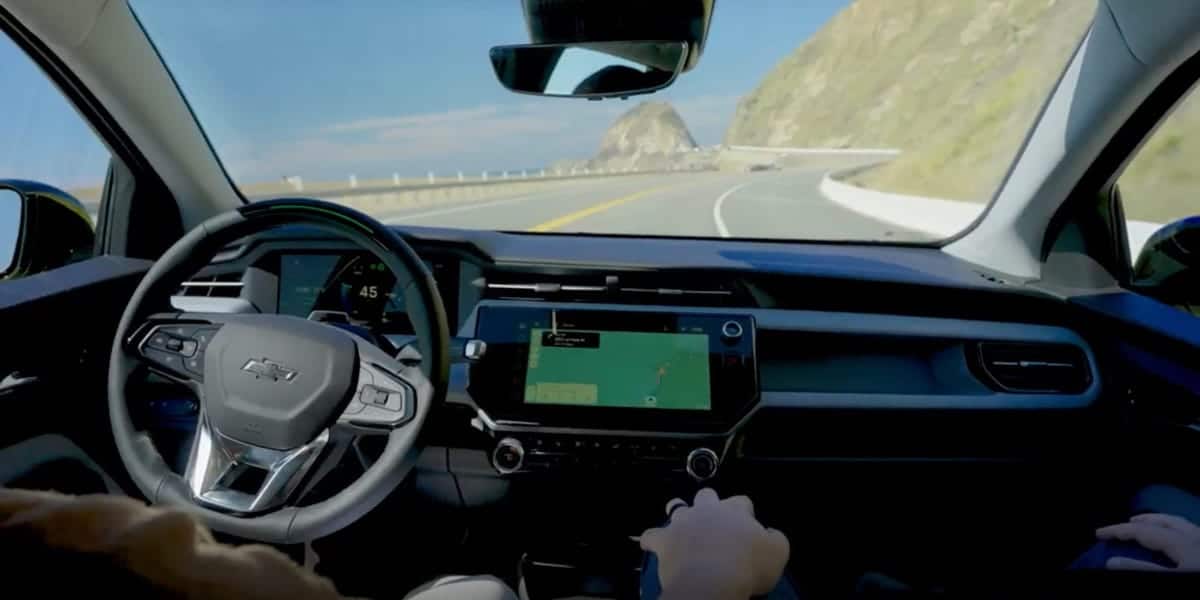
General Motors is intensifying its efforts to develop and deploy self-driving technology for personal vehicles, aiming to make it accessible to millions of customers. Rashed Haq, GM's Vice President of Autonomous Vehicles, stated in an interview that the company is actively recruiting engineers from leading autonomous vehicle (AV) companies, including Tesla, Waymo, and Zoox, to achieve this ambitious goal.
Haq acknowledged that no company has yet successfully implemented self-driving technology across millions of cars on U.S. roads with a cost-effective hardware solution, a problem GM aims to solve. The automaker's near-term objective is to introduce "eyes-off" driving capabilities in the Cadillac Escalade IQ by 2028, initially focusing on highway driving before expanding to other scenarios.
This strategic push follows GM's decision in 2024 to cease its Cruise robotaxi operations and reallocate its talent and resources towards developing autonomous features for privately-owned vehicles. This shift has significantly influenced GM's hiring strategy, with notable additions such as Haq himself, Ronalee Mann (a former Cruise executive), and Sterling Anderson (formerly of Tesla Autopilot).
GM is emphasizing its scale, manufacturing capabilities, and extensive data from its Super Cruise hands-free driver-assistance system, which has logged over 1 billion miles. Haq also highlighted the planned use of lidar sensors as a key differentiator, contrasting with Tesla's sensor approach. The company believes this combination of talent, data, architecture, and manufacturing scale provides a competitive edge.
GM faces competition from other automakers, with Ford also targeting a 2028 launch for similar technology and Rivian aiming for 2027. Despite significant progress, including testing the new autonomy stack on public roads, GM acknowledges remaining challenges in ensuring safety, handling edge cases, and delivering a seamless customer experience.