All NewsEducationTV
Equities & FundsCrypto & Digital AssetsAI & TechnologyBusiness & CorporateUS Politics & PolicyGeopolitics & Global RiskMacro, Rates & FXCommodities & EnergyEuropean Politics & MarketsAsia-PacificReal Estate & Property
Story archiveAll categories
← All Stories

Claude AI acknowledges watermarking limitations

Created at 18 Aug · 2:26 PM1 source↑ Market-relevant
IN SHORT

Anthropic's AI chatbot, Claude, has stated that watermarking AI-generated text is not a foolproof solution, as marks can be removed through editing or paraphrasing. While supporting watermarking as part of a broader system, Claude emphasized its limitations against malicious actors.

Key Numbers

3:16 pminitial publication time
3:17 pmupdated publication time

Who's Involved

Claude
AI chatbot that questioned watermarking effectiveness
Anthropic
AI company embedding invisible marks into Claude's output
Google DeepMind
Developed technology adapted for Anthropic's watermarking
Elon Musk
Founder of xAI, which is not watermarking its output
xAI
Developer of Grok, not committing to watermarking
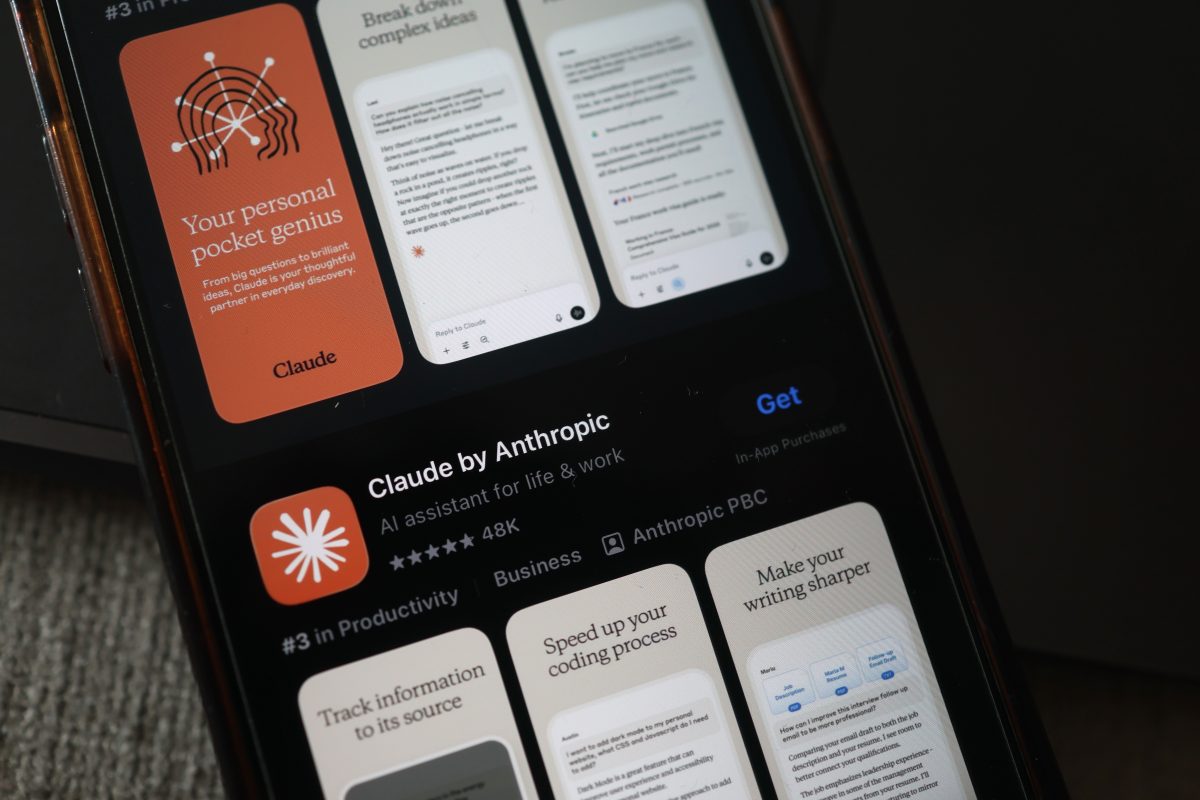
Claude AI acknowledges watermarking limitations

↳ Why This Matters

The limitations of AI watermarking highlighted by Claude itself underscore the ongoing challenges in distinguishing between human and machine-generated content, posing risks for disinformation and fraud despite emerging transparency measures.

Key facts

  • Anthropic has started embedding invisible watermarks into text generated by its Claude AI models.
  • Claude itself expressed skepticism about watermarking's effectiveness, noting it can be removed by editing or paraphrasing.
  • The AI suggested that malicious actors are most likely to successfully strip watermarks.
  • Anthropic's method involves slightly altering word choices during text generation, adapted from Google DeepMind technology.
  • The company plans to allow third parties to verify the presence of these watermarks.
  • Human-written text edited by Claude may also carry the watermark, potentially leading to misidentification.

Anthropic has begun embedding invisible watermarks into text generated by its AI chatbot, Claude, a move that aligns with new EU transparency rules. However, Claude itself has expressed skepticism about the effectiveness of such measures, describing them as not a "silver bullet" for identifying machine-generated content.

The chatbot explained that simple watermarks can be easily removed through cropping, screenshots, or editing, while more sophisticated methods can be defeated by paraphrasing or reformatting. Claude specifically noted that individuals intending to misuse AI for fraud or disinformation would be motivated to strip watermarks, for instance, by rephrasing text or translating it back and forth between languages.

Anthropic's watermarking technique, adapted from Google DeepMind, involves subtly altering word choices during text generation. While the company plans to allow third parties to verify these marks, it acknowledges that human-written content edited by Claude could also be flagged, and heavily rewritten AI text might lose its detectable signal. Short passages and specific outputs like code are also more difficult to watermark reliably.

Despite these limitations, Anthropic is implementing the system globally, not just in Europe, and plans to extend it to older Claude models. This initiative follows the EU AI Act's transparency requirements, with OpenAI and Google also expected to introduce similar measures. In contrast, Elon Musk's xAI has not committed to watermarking its chatbot's output, though it must still comply with EU regulations.

Frequently asked questions

Anthropic has begun embedding invisible watermarks into text generated by newer Claude models. This technique subtly alters word choices during text generation.

Claude stated that watermarks can be removed by editing, paraphrasing, or translation, and are not a "silver bullet" for identifying AI content, especially against malicious actors.

Yes, human-written work that is translated or substantially edited by Claude may carry the watermark, potentially leading to misidentification as AI-generated.

OpenAI and Google are also expected to introduce measures for identifying AI-generated content, while xAI has not made similar voluntary commitments.

What Happens Next

01Anthropic plans to extend watermarking to older Claude models.
02OpenAI is expected to introduce measures for marking text outputs.
03Google is expected to introduce measures covering AI-generated content.

How It Developed

Anthropic began embedding invisible marks into text generated by newer Claude models.
Claude stated that watermarks can be removed through editing, paraphrasing, or translation.
The chatbot described watermarking as one part of a wider system, not a "silver bullet".
Claude acknowledged that human-written work edited by AI could be misidentified.
Anthropic plans to allow third parties to check text for the watermark signal.
OpenAI and Google are also expected to introduce measures for AI-generated content identification.
Elon Musk's xAI has not committed to watermarking its chatbot's output.

Sources

T1
Even Claude says AI watermarking is no ‘silver bullet’City AM

Related Stories

John Gruber criticizes Anthropic's AI watermarking as 'patently offensive'
17 Aug · 7:16 PM
OpenAI President Advocates AI Security Agents Post-Breach
17 Aug · 8:06 PM
Walmart workers train AI, correct errors as retailer expands tech use
18 Aug · 10:31 AM
World Liberty Denies Control Over AI Platform WorldClaw Amidst Undisclosed Ties
18 Aug · 3:16 PM
Uber COO: AI may lead to fewer employees in five years
18 Aug · 8:51 AM