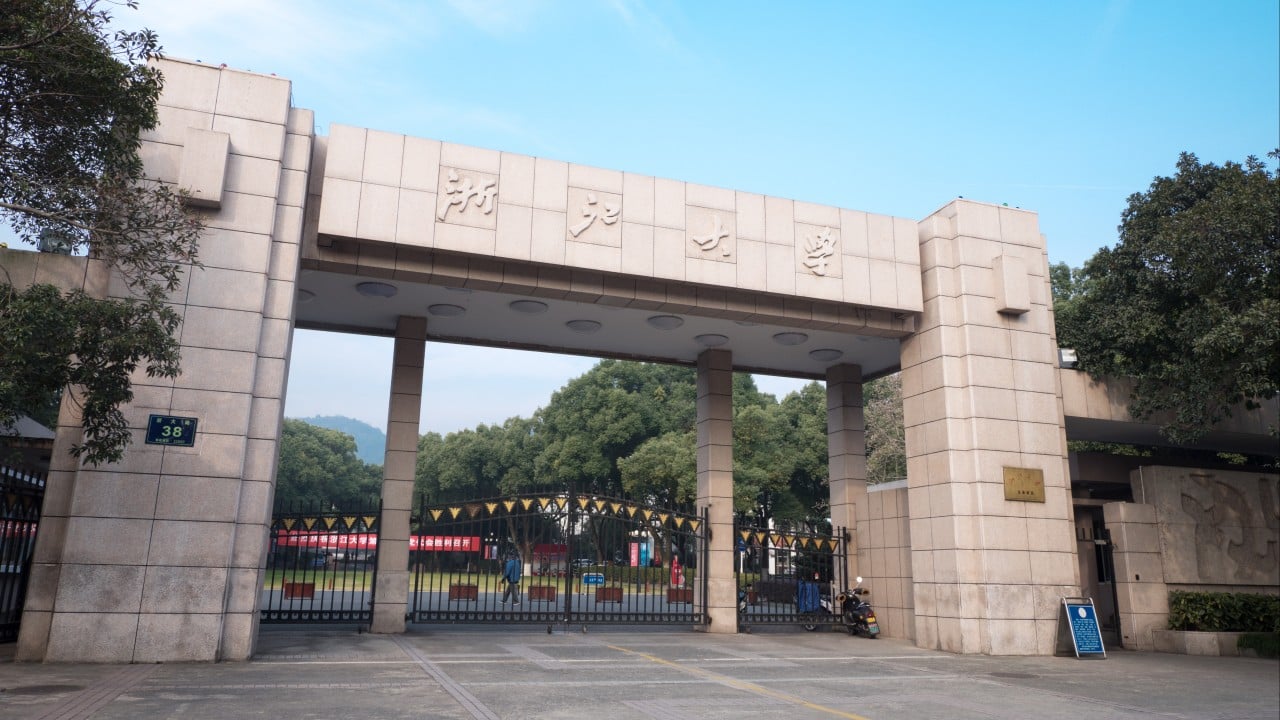
Key facts
- Zhejiang University is ranked first globally in the Nature Index 2026 Research Leaders rankings.
- Harvard University has fallen to second place, losing its top position for the first time since 2014.
- Nine of the top 10 academic institutions in the rankings are Chinese.
- The Nature Index evaluates research contributions across natural, health, applied, and social sciences.
- China's scientific research output has grown significantly, with its contribution score doubling that of the U.S.
Zhejiang University has achieved the top position globally in the Nature Index 2026 Research Leaders rankings, marking the first time Harvard University has been surpassed since the index's inception in 2014. The rankings, released on June 10, 2026, highlight a significant shift in academic research leadership, with Chinese institutions now dominating the top tiers.
Published by Springer Nature, the Nature Index evaluates institutional contributions to research published in 177 high-quality journals and one conference proceedings, covering natural, health, applied, and social sciences. The 2026 edition expanded its scope to include more journals in applied and social sciences, broadening its disciplinary coverage.
Chinese institutions now account for nine of the top 10 academic institutions worldwide, a notable increase from the previous year. Zhejiang University demonstrated particular strength in chemistry, biological sciences, and applied sciences, with growing contributions in health and social sciences. Among other Chinese universities, Tsinghua University ranked third, followed by Shanghai Jiao Tong University (4th), the University of Science and Technology of China (5th), Peking University (6th), the University of Chinese Academy of Sciences (7th), Nanjing University (8th), Sichuan University (9th), and Fudan University (10th).
China as a whole recorded a 22.4% growth in its research share from 2024 to 2025, making it the only country in the global top ten to achieve double-digit growth. In contrast, the U.S. saw only 4.2% growth, with its paper contribution score at 26,006 compared to China's 52,735. U.S. universities like MIT and Stanford also saw declines in their rankings.
Some analyses suggest that U.S. restrictions on advanced semiconductors and technology exchanges with China have paradoxically accelerated China's drive for self-reliance and foundational scientific research. Experts note that technological sanctions have spurred internalization and research infrastructure development within China. Harvard's paper contribution grew by only 0.6% while Zhejiang's increased by 22.7%.