Key facts
- Boeing showcased its Ghost Bat drone, a working aircraft, at the Farnborough Airshow.
- Rivals General Atomics and Anduril Industries displayed full-scale models of their uncrewed aircraft designed to fly with manned jets.
- The U.S. Air Force awarded production contracts to General Atomics and Anduril for its Collaborative Combat Aircraft (CCA) program.
- The U.S. Air Force plans to procure over 150 combat-capable CCA by the end of the decade.
- Lockheed Martin is developing an uncrewed combat aircraft that is in the build phase and expected to fly next year.
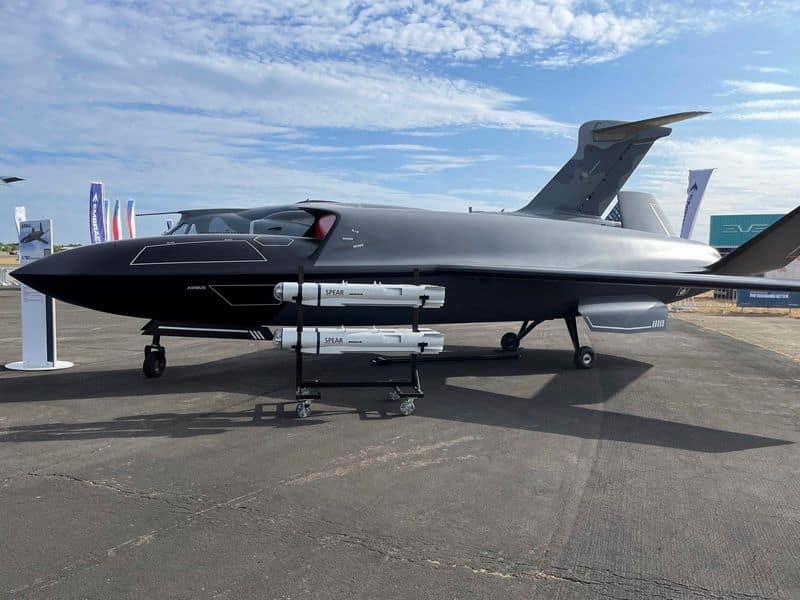
- Airbus unveiled its U760 Ravenstorm, anticipating operational status in the early 2030s.
Companies are intensifying efforts to develop autonomous uncrewed fighter jets, a burgeoning sector of the defense industry. At the Farnborough Airshow, Boeing showcased its Ghost Bat drone, a working prototype it claims is the most mature in its class, having participated in multinational exercises and live-fire tests. Boeing is under contract to produce seven such aircraft for the Australian Defence Force.
Rival firms General Atomics and Anduril Industries also presented their competing designs. The U.S. Air Force has awarded production contracts to both General Atomics and Anduril for its Collaborative Combat Aircraft (CCA) program, aiming for aircraft that cost a third or less than an F-35. Anduril is scaling up production of its FURY combat drone, while General Atomics highlighted its extensive experience in uncrewed aircraft and autonomous flight hours.
Other major defense contractors are also investing heavily. Lockheed Martin is developing its own uncrewed combat aircraft, expected to fly next year, and has secured mission autonomy production contracts. European companies are also entering the race, with Airbus unveiling its U760 Ravenstorm and working on the U740 Valkyrie. Boeing is also collaborating with German firms to offer a variant to the German Air Force.
Industry analysts predict a significant market for these autonomous systems, potentially reaching hundreds of aircraft annually, though widespread adoption may not occur until the mid-2030s.