Key facts
- The FAA is working to accelerate the deployment of next-generation aviation technologies like air taxis and supersonic planes.
- The agency aims to avoid overly prescriptive standards to allow industry-driven innovation.
- A pilot program for eVTOLs is providing data to inform certification processes.
- The FAA has proposed rules to lift the 1973 ban on supersonic flight over land.
- New rules defining acceptable noise thresholds for supersonic flights are expected by mid-2027.
The U.S. Federal Aviation Administration (FAA) is actively working to expedite the introduction of advanced aviation technologies, including air taxis and supersonic aircraft, into the national airspace. Deputy FAA Administrator Chris Rocheleau stated that the agency is focused on addressing certification and regulatory hurdles, aiming to avoid overly prescriptive standards and allow industry innovation to lead.
A pilot program involving eight partner companies across 26 states is currently gathering data on electric vertical takeoff and landing (eVTOL) aircraft, which will inform future certification efforts. Rocheleau emphasized the goal of integrating these new technologies safely and efficiently.
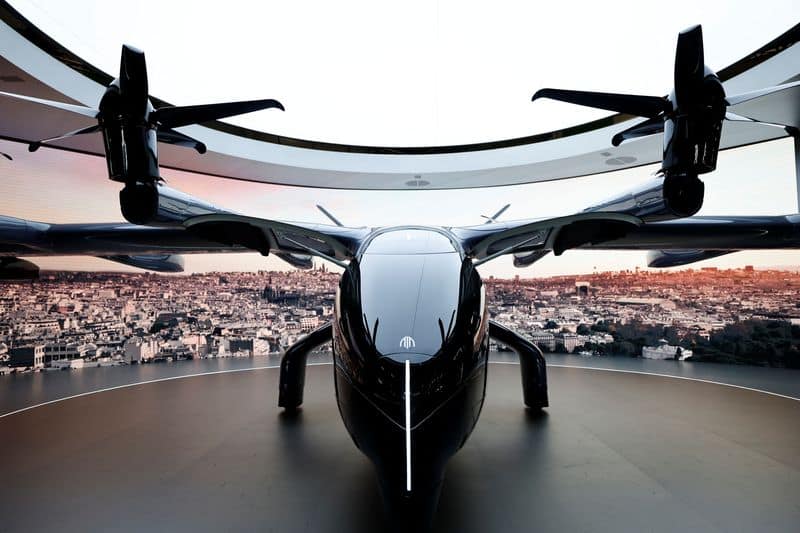
Air taxi companies, such as Archer Aviation, are seeking approvals to commercialize their eVTOLs, drawing parallels to the phased rollout of autonomous vehicles like Google's Waymo. This approach allows for testing and refinement in controlled environments before wider deployment.
In parallel, the FAA is moving to update regulations for supersonic flight. The agency has proposed the first of two rules needed to lift a ban imposed in 1973 on supersonic air transport over land. A second rule, expected to define acceptable noise thresholds for takeoff, landing, and cruise flight, is slated for finalization by mid-2027, addressing what the FAA deems outdated existing rules.