Key facts
- macOS 26 is the last version to support Intel Macs.
- Apple began developing an Intel-compatible Mac OS X in 2000, codenamed 'Marklar'.
- The transition to Intel processors was driven by limitations with PowerPC chips, particularly in laptops.
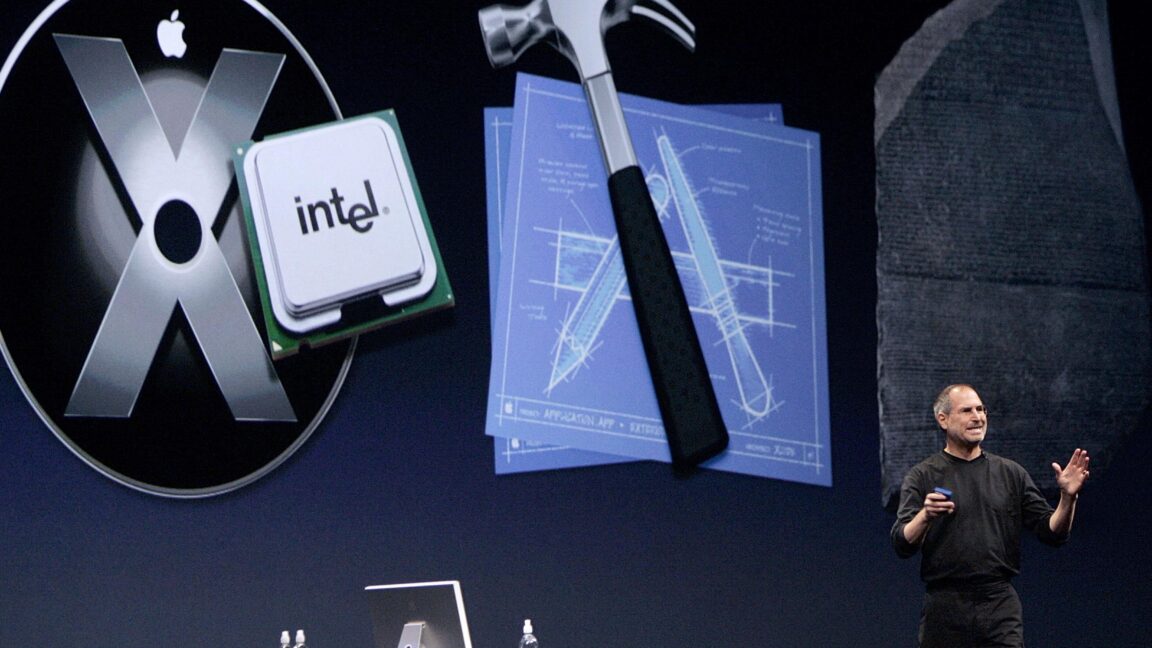
- The first Intel Macs were released in January 2006, following a public demonstration in June 2005.
- Elements of the Rosetta compatibility layer for running Intel code on Apple Silicon will persist.
Apple's Mac line is concluding its era with Intel processors, with macOS 26 being the final version to support Intel chips. While some models will continue to receive security and Safari updates for two more years, and elements of the Rosetta compatibility layer will persist, macOS 26 marks the definitive end of the Intel Mac story.
The journey with Intel began as a contingency plan. In June 2000, an Apple engineer named JK Scheinberg proposed developing Mac OS X for Intel processors, a project codenamed 'Marklar'. By early 2002, this side project had grown into a contingency plan due to persistent issues with the PowerPC chips developed by Apple, IBM, and Motorola. Apple struggled to increase the clock speed of the G5 processor and found it too power-hungry and hot to integrate into laptops, a challenge described by Tim Cook as 'the mother of all thermal challenges'.
In June 2005, Apple publicly announced its transition to Intel processors, demonstrating Mac OS X 10.4 running on Intel hardware for the first time. This transition was facilitated by the existing 'Marklar' project, meaning Apple did not have to start software development from scratch. The company provided developers with transition kits and introduced Rosetta, a compatibility layer, to run older PowerPC applications on Intel Macs. The first Intel Macs, an iMac and a MacBook Pro, were released in January 2006, externally resembling their PowerPC predecessors to maintain brand familiarity.