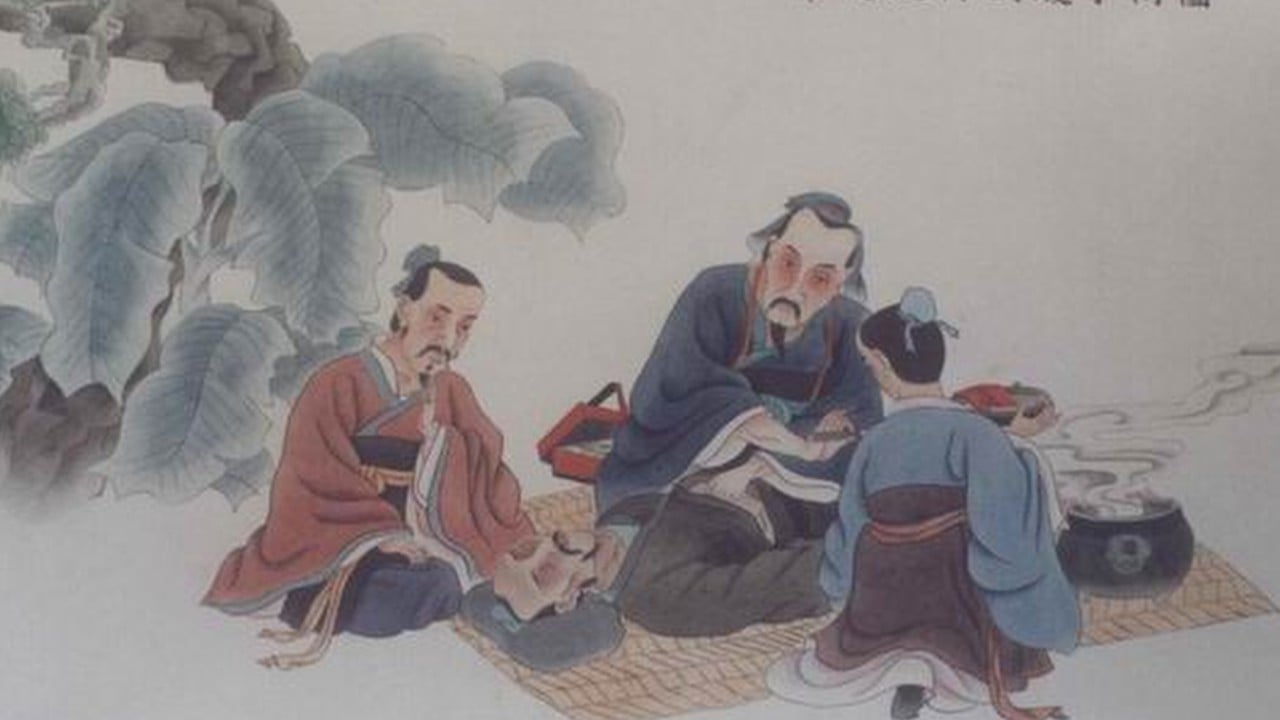
Artificial intelligence has been utilized to generate realistic visual depictions of the discovery of ancient Chinese anaesthesia, a practice that dates back to the 14th century during the Ming dynasty. These AI-generated images illustrate the sophisticated surgical methods employed by ancient Chinese surgeons, who utilized a toxic plant concoction, likely derived from aconitine found in wolfsbane or monkshood, to alleviate pain during procedures.
The breakthrough in understanding this practice came with the detection of aconitine residue on surgical tools recovered from the tomb of the renowned surgeon Xia Quan. This physical evidence corroborates information found in ancient Chinese medical texts, which described the production and use of such anesthetic powders. Researchers employed advanced techniques, including stimulated Raman scattering (SRS) microscopic imaging, to identify the trace amounts of aconitine on instruments like tweezers and surgical scissors, dating between 1348 and 1411 CE.
According to study author Zhao Congcang from Northwest University, aconitine functions by overstimulating sodium ion channels in nerve cell membranes, leading to a temporary excitation followed by inhibition, thus acting as an anesthetic. While ancient texts detailed methods for detoxifying aconitine, such as boiling it in vinegar or using mung beans, this discovery marks the first direct physical evidence of its controlled application in surgical procedures, highlighting the advanced medical knowledge of the Ming dynasty.