Key facts
- U.S. government enforcement against goods made with forced labor has significantly decreased.
- Enforcement decrease particularly affects goods from China's Xinjiang region.
- The U.S. is pursuing trade agreements with Beijing.
- The U.S. has imposed tariffs on other countries for alleged forced labor violations.
- Southeast Asian nations continue to implement U.S. trade pacts despite legal challenges.
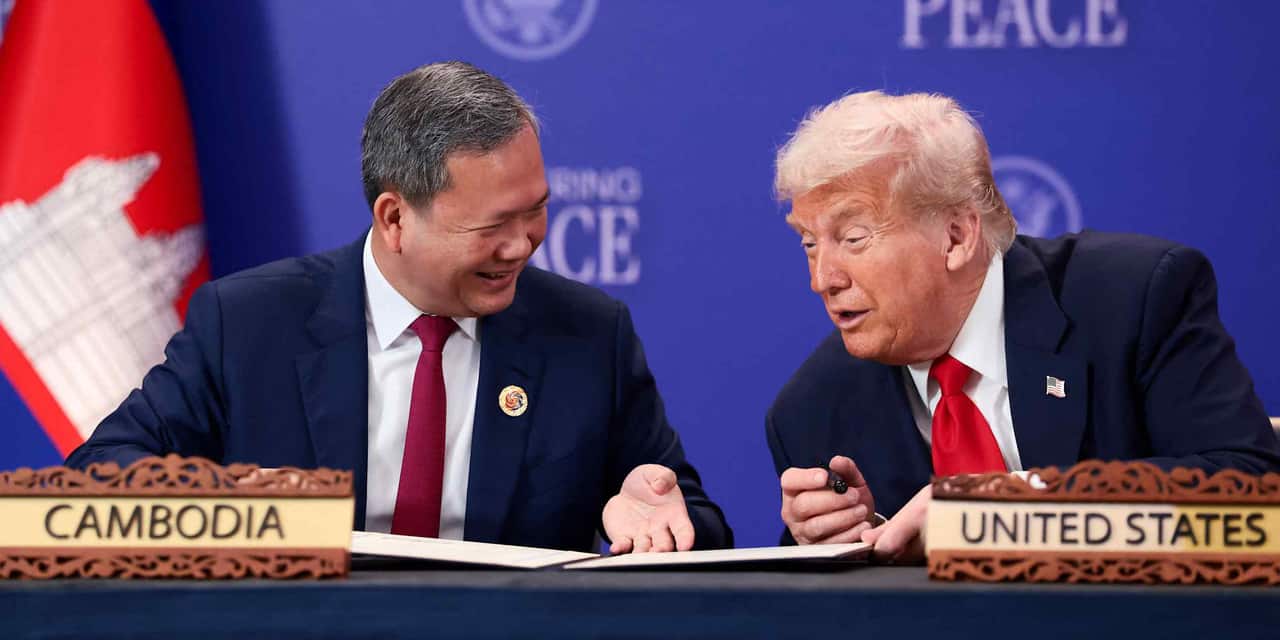
- Cambodia is implementing measures linked to U.S. trade pacts.
- U.S. has banned imports from 43 additional companies over alleged forced labor involving Uyghurs.
- These companies were added to the Uyghur Forced Labor Prevention Act Entity List.
- This marks the first additions to the list under the current administration.
- The total number of restricted entities is now 187.
The U.S. government has notably reduced its enforcement of laws prohibiting goods made with forced labor, with a specific focus on products originating from China's Xinjiang region. This policy shift coincides with the administration's ongoing efforts to negotiate trade agreements with Beijing and its imposition of tariffs on other countries for comparable alleged violations. Trade data indicates a substantial decline in enforcement actions related to forced labor.
Concurrently, Southeast Asian nations are maintaining their adherence to trade agreements with the U.S., even in the wake of judicial rulings that have declared these pacts invalid. A U.S. business leader observed that countries such as Cambodia are continuing to implement measures associated with these agreements, driven by considerations of security and market access, despite reported dissatisfaction with the terms.
In a separate but related action, the United States has prohibited imports from 43 additional companies. This ban is due to allegations of human rights abuses against Uyghurs, specifically their involvement in forced labor. These companies have been added to the Uyghur Forced Labor Prevention Act Entity List. This action represents the first set of additions to the list under the current administration, expanding the total number of restricted entities to 187. The Uyghur Forced Labor Prevention Act aims to prevent the importation of goods produced with forced labor from Xinjiang.
The U.S. government's approach appears to involve a dual strategy: weakening enforcement on certain fronts while simultaneously expanding restrictions on others, potentially influenced by broader trade and geopolitical considerations. The continued implementation of trade pacts by ASEAN nations, despite legal challenges, highlights their strategic priorities in maintaining economic ties with the U.S.