All NewsEducationTV
Equities & FundsCrypto & Digital AssetsAI & TechnologyBusiness & CorporateUS Politics & PolicyGeopolitics & Global RiskMacro, Rates & FXCommodities & EnergyEuropean Politics & MarketsAsia-PacificReal Estate & Property
Story archiveAll categories
← All Stories

ASEAN nations continue implementing US trade pacts despite legal challenges

Created at 31 Jul · 4:06 AM1 source↑ Market-relevant
IN SHORT

Southeast Asian countries are still adhering to trade agreements with the U.S., even after a judicial ruling declared them invalid. A U.S. business leader noted that despite dissatisfaction with terms, nations like Cambodia are implementing measures linked to these pacts, citing security and market access as key considerations.

✉Newsletter

PiQ Daily

Pick your topics. Get only what matters, on your cadence.

Key Numbers

10 percentcurrent US tariff rate
15 percentpotential US tariff rate
1,819Indonesian tariff lines with zero import duties
2026US trade policy agenda year
3Southeast Asian countries with ARTs
20 percenttariff rate for Vietnam
US$25 billionannual loss risk for Vietnam
40 percenttariff rate for Laos and Myanmar
10 percenttariff rate for Singapore

Who's Involved

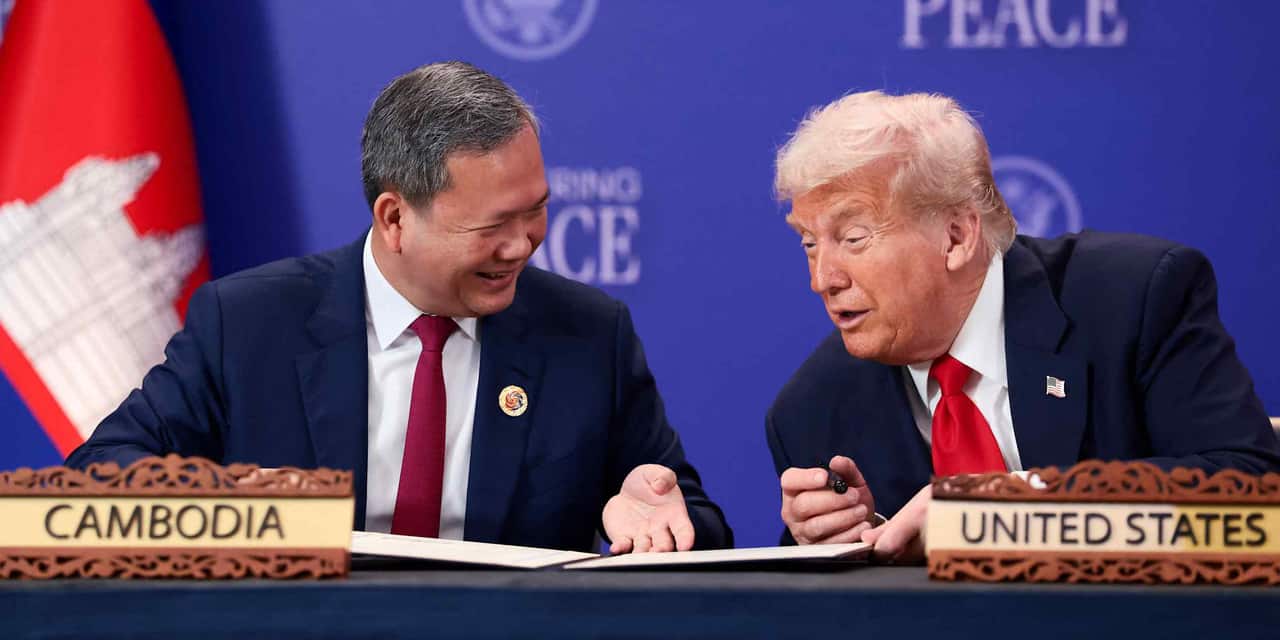
Hun Manet
Cambodian Prime Minister
Donald Trump
U.S. President
Office of the US Trade Representative (USTR)
Released the 2026 US trade policy agenda
Deborah Elms
Head of trade policy at the Hinrich Foundation
Stephen Olson
Visiting senior fellow at the Iseas-Yusof Ishak Institute
Jamieson Greer
US Trade Representative
United Nations Development Programme
Provided estimates on Vietnam's tariff impact
ASEAN nations continue implementing US trade pacts despite legal challenges

↳ Why This Matters

Despite a U.S. Supreme Court ruling that invalidated many tariffs, Southeast Asian nations are continuing to implement trade agreements, indicating the U.S.'s persistent leverage through market access and security partnerships, and the strategic importance of these pacts for regional economies.

Key facts

  • Southeast Asian nations continue to implement trade agreements with the U.S. despite a judicial ruling invalidating them.
  • The U.S. expects governments to abide by reciprocal trade pacts, as outlined in the 2026 trade policy agenda.
  • Agreements on reciprocal trade (ARTs) were signed with Malaysia, Cambodia, and Indonesia, with framework deals in place for Vietnam and Thailand.
  • The U.S. possesses leverage through its market size and security partnerships, and can use mechanisms like Section 301 investigations to enforce trade terms.
  • Tariff rates vary across the region, with some countries negotiating lower duties while others face significant potential losses due to existing tariffs.

Southeast Asian nations are continuing to implement aspects of trade agreements with the United States, despite a recent judicial ruling that declared many of these pacts invalid. According to a U.S. business leader, countries are proceeding with these measures due to considerations beyond trade, such as security and the benefits of access to the U.S. market.

The U.S. Supreme Court's February 20 ruling may have invalidated most of President Donald Trump’s tariffs, but the White House maintains expectations that governments will adhere to reciprocal trade agreements. This stance is reflected in the U.S. trade policy agenda for 2026, which states that the administration expects to continue working with partners to implement these deals, even as the tools for maintaining tariffs are subject to judicial review.

These agreements on reciprocal trade (ARTs) were established following the imposition of significant tariffs on foreign imports. The U.S. has signed ARTs with Malaysia, Cambodia, and Indonesia, and has framework deals with Vietnam and Thailand that it aims to upgrade. The current U.S. tariff rate is 10 percent and could increase to 15 percent, a measure that can be enacted under Section 122 of the 1974 U.S. Trade Act to address balance-of-payments deficits or currency depreciation.

Analysts suggest that governments will likely continue to comply with these agreements, potentially due to security considerations or a prior acceptance of the terms despite the risk of legal challenges. For instance, the ART with Indonesia includes zero import duties on a substantial list of Indonesian products entering the U.S. While some nations, like Malaysia, are seeking clarity on recent U.S. legal and policy developments, the U.S. retains other enforcement mechanisms, including Section 301 investigations into unfair trade practices.

Experts believe that the U.S. market's size and its security partnerships provide significant leverage. Any attempt by governments to use the Supreme Court ruling to renegotiate or abandon trade deals could result in harsher retaliation from the Trump administration. The administration reportedly views the ruling as a minor setback, with officials prepared to use different legal authorities to maintain tariff policies.

Earlier, U.S. Trade Representative Jamieson Greer had indicated that the U.S. expected to finalize trade deals with more Southeast Asian countries in the months leading up to September 2025. At that time, tariff rates for most of the region were set at 19 percent and 20 percent, with higher rates for Laos and Myanmar, and a 10 percent rate for Singapore. Agreements were being finalized, with some expected within weeks. Indonesia and Vietnam had already negotiated deals for lower tariffs. However, Vietnam, a major exporter to the U.S., faced significant annual losses due to a 20 percent tariff, making it the most affected economy in the region according to UN estimates. The bloc might adopt a more unified stance amid concerns over potential steeper tariffs on key industries like semiconductors.

Frequently asked questions

Southeast Asian countries are still implementing parts of trade agreements with the U.S., even after a judicial ruling declared them invalid. The U.S. expects governments to abide by these reciprocal trade pacts.

The U.S. has signed ARTs with Malaysia, Cambodia, and Indonesia. Vietnam and Thailand have framework deals that the U.S. aims to upgrade.

The current U.S. tariff rate stands at 10 percent and could rise to 15 percent. Specific rates for the region have been set at 19 percent and 20 percent for most countries, with higher rates for Laos and Myanmar, and 10 percent for Singapore.

The U.S. leverages its market size and security partnerships. It can also initiate Section 301 investigations into unfair trade practices and use other enforcement mechanisms.

What Happens Next

01The U.S. expects to finalize trade deals with more Southeast Asian countries in the coming months.
02The Trump administration is looking to upgrade framework deals with Vietnam and Thailand to ARTs or their equivalent.

Get the newsletter.

Pick the topics you actually care about. We'll email when there's news worth your time, on the cadence you choose. Cancel any time from your account.

Cadence

How It Developed

Southeast Asian countries are implementing parts of trade agreements with the U.S.
A U.S. business leader stated that these pacts continue despite dissatisfaction over terms and a judicial ruling declaring them invalid.
The U.S. Supreme Court may have invalidated most of President Donald Trump’s tariffs.
The White House expects governments to abide by reciprocal trade agreements.
The U.S. trade policy agenda for 2026 indicated continued work with partners to implement these deals.
Agreements on reciprocal trade (ARTs) were signed following tariffs imposed on foreign imports.
Three ARTs were signed with South-east Asian countries: Malaysia, Cambodia, and Indonesia.
Vietnam and Thailand have framework deals that the Trump administration seeks to upgrade.

Sources

T1
ASEAN still implementing parts of US trade deals, business chief saysNikkei Asia
T2
US still expects governments to abide by reciprocal trade pacts: Trump ...businesstimes.com.sg
T2
US to seal South-east Asia trade deals in coming months, trade ...businesstimes.com.sg

Related Stories

China's He Lifeng raises trade restriction concerns in call with Bessent and Greer
30 Jul · 3:58 PM
Cuba Pursues Economic Overhaul Amid US Pressure
31 Jul · 12:25 AM
US transportation chief defunds bike lanes, citing DEI, sparking safety concerns
30 Jul · 12:12 PM
Brazil denies visas to US officials, citing election meddling concerns
30 Jul · 11:08 AM
Amazon, Walmart AI can spot 'Made in USA' fraud but don't flag it, study finds
30 Jul · 12:33 PM