Key facts
- The U.S. Senate has begun a five-week summer recess.
- A bipartisan infrastructure permitting bill has not been passed by the Senate.
- Negotiators have not yet released the text of the infrastructure permitting bill.
- Limited session time remains before the midterm elections.
- President Donald Trump has approved an extension of the Jones Act waiver.
- The Jones Act requires U.S.-built and crewed ships for domestic cargo.
- The Jones Act waiver extension includes some limitations.
- The waiver aims to increase shipping flexibility and lower energy prices.
The U.S. Senate has commenced a five-week summer recess without advancing a bipartisan infrastructure permitting bill. This development complicates the bill's potential enactment this year, as negotiators have yet to release its text and the remaining session time before the midterm elections is limited. The bill aims to streamline the permitting process for energy infrastructure projects.
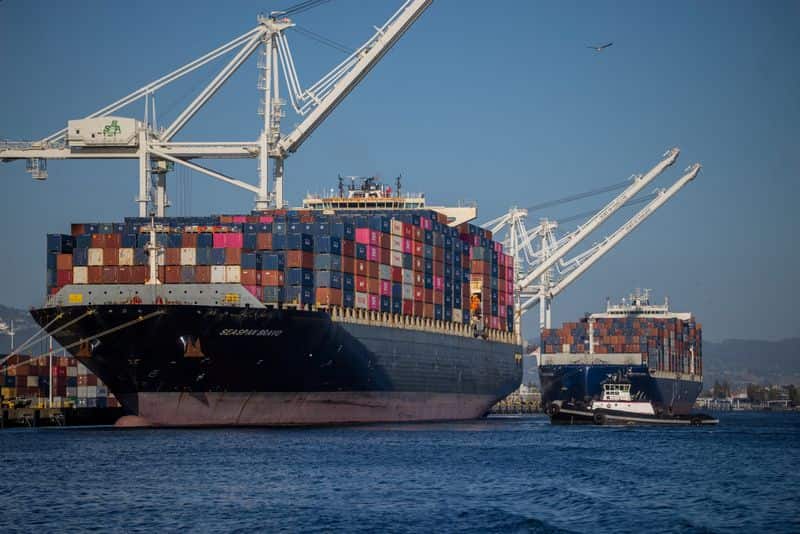
In a separate development, President Donald Trump has approved an extension of the Jones Act waiver. The Jones Act requires that goods transported by water between U.S. ports be carried on U.S.-built, U.S.-owned, and U.S.-crewed ships. The waiver, however, introduces certain limitations, intended to enhance shipping flexibility and contribute to lower energy prices. The specific limitations of the extended waiver were not detailed in the provided information.
The infrastructure permitting bill is a component of broader legislative efforts to accelerate the development of energy projects, including renewable energy sources and traditional fossil fuels. Its delay in the Senate raises concerns among proponents who argue that the current permitting system is a significant bottleneck for energy transition and economic growth. The Jones Act, enacted in 1920, has long been a subject of debate, with proponents arguing it supports U.S. shipbuilding and maritime industries, while critics contend it increases shipping costs and reduces efficiency.