All NewsEducationTV
Equities & FundsCrypto & Digital AssetsAI & TechnologyBusiness & CorporateUS Politics & PolicyGeopolitics & Global RiskMacro, Rates & FXCommodities & EnergyEuropean Politics & MarketsAsia-PacificReal Estate & Property
Story archiveAll categories
← All Stories

Trump extends Jones Act waiver with limitations

Created at 10 Aug · 5:17 PM1 source↑ Market-relevant
IN SHORT

President Donald Trump has approved an extension of the Jones Act waiver, which requires U.S.-built and crewed ships for domestic cargo, with some limitations. The waiver aims to increase shipping flexibility and lower energy prices.

✉Newsletter

PiQ Daily

Pick your topics. Get only what matters, on your cadence.

Key Numbers

150 dayslongest suspension of Jones Act restrictions
196 voyagesconducted under waiver through end of July
4.5 monthsduration of waiver through end of July
$4 a gallonaverage U.S. petrol price

Who's Involved

Donald Trump
U.S. President who approved the Jones Act waiver extension
Chris Wright
Energy Secretary who stated fuel prices should come down
Trump extends Jones Act waiver with limitations

↳ Why This Matters

The extension of the Jones Act waiver aims to mitigate rising energy costs for consumers and address political pressure ahead of elections, while also balancing the interests of the domestic maritime industry.

Key facts

  • President Donald Trump has approved an extension of the Jones Act waiver.
  • The waiver includes some limitations.
  • The Jones Act mandates that cargo between U.S. ports must be transported on U.S.-built, owned, and crewed ships.
  • The waiver's purpose is to lower gas prices by enhancing shipping flexibility and reducing bottlenecks.
  • The current waiver was set to expire on August 16.
  • Energy Secretary Chris Wright indicated that fuel prices are expected to decline soon.
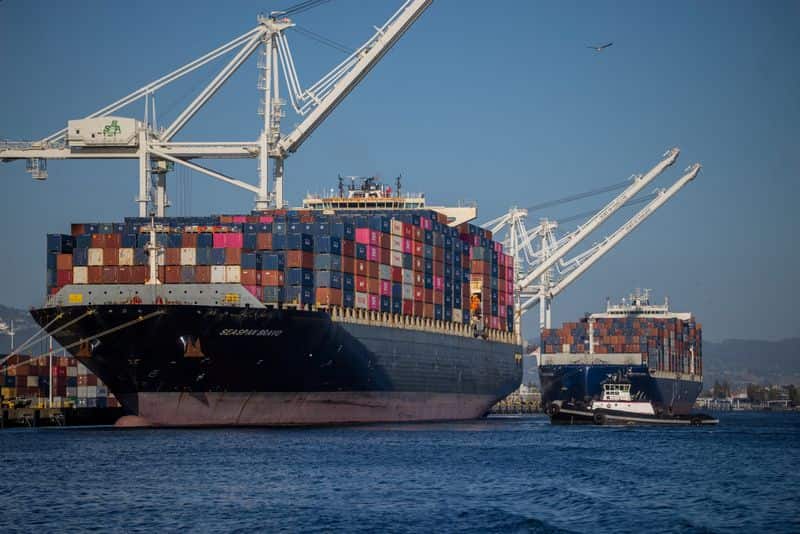
  • President Donald Trump has approved an extension of the waiver for the Jones Act, a century-old shipping law, though with certain limitations, according to a White House official. The Jones Act requires that cargo transported between U.S. ports must be carried on ships built in the U.S., owned by American companies, and crewed by American workers.

    The waiver aims to reduce energy prices by increasing shipping flexibility and alleviating transport bottlenecks. The current suspension was scheduled to expire on August 16, and its extension marks the longest period of suspended Jones Act restrictions in history, spanning nearly five months. This move comes as the Trump administration faces pressure to lower gasoline prices, which are averaging over $4 a gallon, ahead of the midterm elections.

    While the waiver has been utilized for nearly 200 voyages transporting various commodities, including crude oil and natural gas, it has drawn criticism from American maritime companies. These companies argue that the waiver undermines the domestic shipping industry. Administration officials have been in discussions with industry representatives and lawmakers to potentially narrow the waiver's scope while maintaining flexibility for critical fuel supplies.

    Energy Secretary Chris Wright expressed optimism that the waiver has contributed to lower energy prices on the East Coast and in California, and anticipates further price decreases in the coming weeks. President Trump has also publicly urged major oil companies like ExxonMobil and Chevron to pass on their profits to consumers at the pump.
    Frequently asked questions

    The Jones Act, part of the Merchant Marine Act of 1920, requires that cargo moving between U.S. ports be carried on ships built in the U.S., owned by U.S. companies, and crewed by American workers.

    The waiver was granted to increase shipping flexibility and reduce transport bottlenecks, with the aim of lowering energy and gas prices.

    The waiver was first issued for a 60-day period on March 17 and was extended multiple times, reaching 150 days by August 16, making it the longest suspension in the program's history.

    American maritime companies argue that the waiver weakens the domestic shipping industry and does not significantly lower fuel prices.

    What Happens Next

    01Fuel prices are expected to decrease in the coming weeks.

    Get the newsletter.

    Pick the topics you actually care about. We'll email when there's news worth your time, on the cadence you choose. Cancel any time from your account.

    Cadence

    How It Developed

    The Trump Administration temporarily suspended the Jones Act after Iran militarized the Strait of Hormuz.
    The Jones Act requires U.S.-built, owned, and crewed ships for domestic cargo.
    A waiver of the Jones Act was issued to increase shipping flexibility and lower energy prices.
    The current waiver was set to expire on August 16.
    The waiver has been criticized by American maritime companies for weakening the domestic shipping industry.
    President Trump has explored other avenues to lower fuel costs, including pressuring oil companies.
    The waiver has been extended with some limitations.
    Energy Secretary Chris Wright stated that fuel prices should decrease in the coming weeks.

    Sources

    T1
    Trump extends Jones Act waiver with some limitations, White House official saysReuters
    T2
    White House set to extend Jones Act waiver as Trump ... - 商业时报businesstimes.com.sg
    T2
    What to Know About the Jones Act Waiver as Trump Admin Seeks to Lower ...time.com

    Related Stories

    Trump to sign order seeking more vaccine flexibility, White House says
    10 Aug · 6:28 PM
    Trump names Will Scharf White House counsel
    9 Aug · 10:06 PM
    NORAD intercepts two aircraft violating airspace near Trump's New Jersey golf club
    9 Aug · 8:02 PM
    US Senate recesses without infrastructure permitting deal
    10 Aug · 2:31 PM
    FAA to pause flights at Washington airport for Freedom 250 Grand Prix
    10 Aug · 6:21 PM