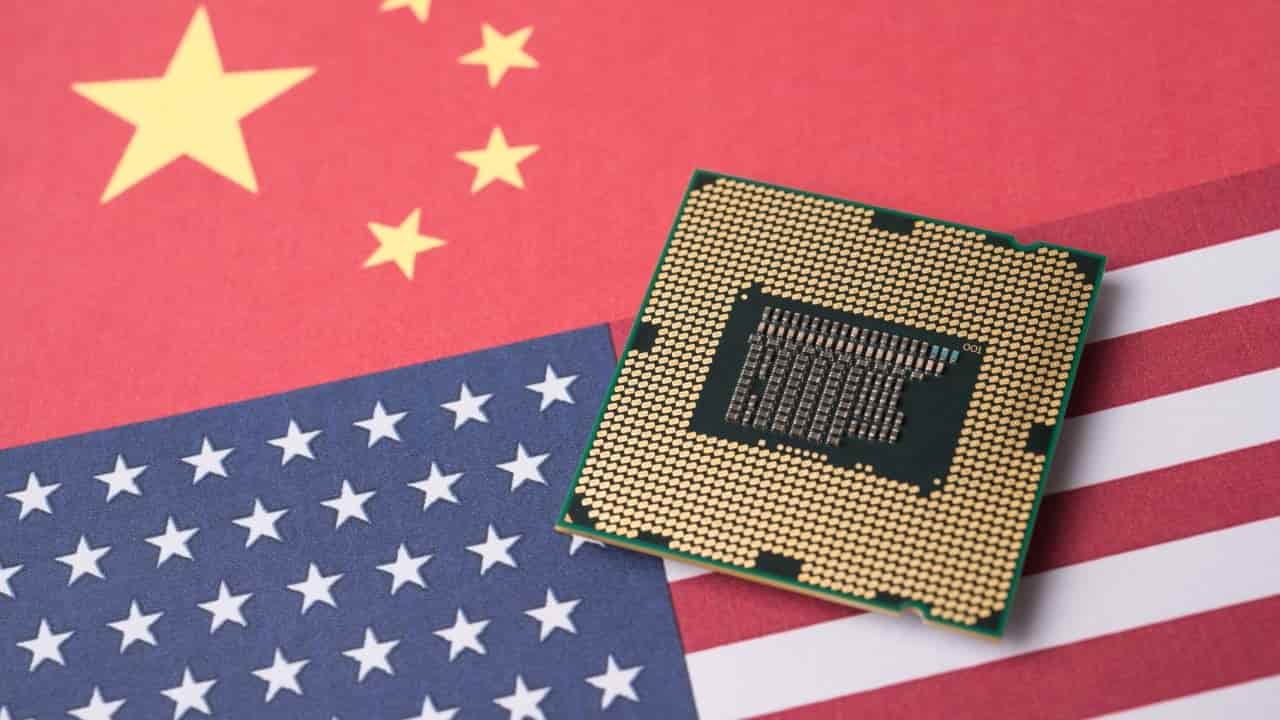
Key facts
- U.S. lawmakers propose reducing tax incentives for companies using Chinese technology.
- The goal is to encourage domestic production and decrease reliance on Chinese tech.
- Industry groups warn a potential U.S. ban on Chinese solar inverters could harm the local power industry.
- A ban on Chinese inverters could lead to increased costs for the domestic solar sector.
- Project delays are a potential consequence of banning Chinese solar inverters.
- The proposals aim to reduce dependence on Chinese technology.
A bipartisan group of U.S. lawmakers is proposing to reduce tax incentives for companies that rely on technology sourced from China. This initiative aims to encourage domestic production and decrease dependence on Chinese technology. Concurrently, industry groups and companies are cautioning against a potential U.S. ban on Chinese-made solar inverters. They warn that such a ban could significantly damage the domestic solar power sector, leading to increased costs and project delays. The proposed tax break reductions are intended to incentivize companies to shift away from Chinese technological dependencies. The concerns raised by industry stakeholders highlight the complex economic considerations involved in decoupling from Chinese supply chains. The potential ban on solar inverters, specifically, could disrupt ongoing and future solar projects, impacting the growth of renewable energy in the United States. These developments signal a growing legislative and industrial focus on national technological self-sufficiency and supply chain security.