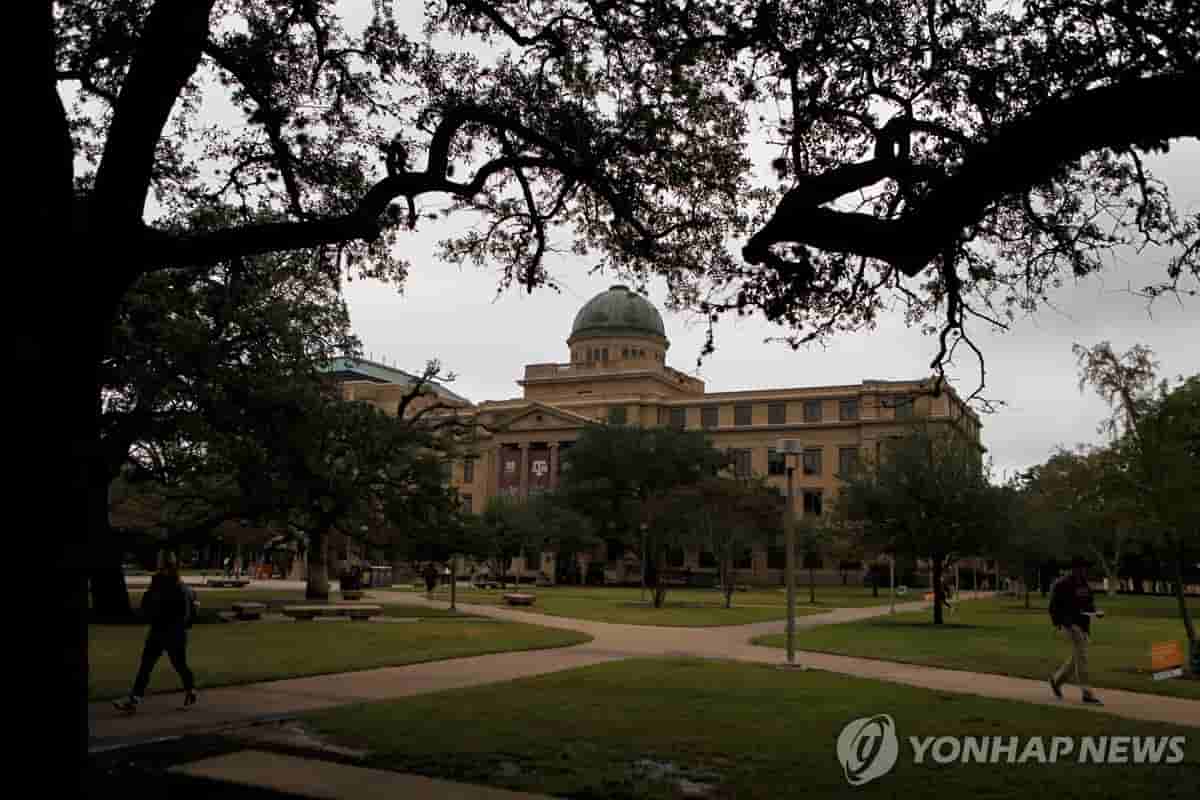
US considering $100,000 fee for foreign students seeking post-graduation work
window 24h
IN SHORT
The U.S. administration is reportedly considering a substantial fee, possibly up to $100,000, for international students seeking post-graduation work authorization. Meanwhile, President Donald Trump has signed an order restricting the export of critical mineral scrap, such as old batteries, to bolster domestic recycling and reduce reliance on China. Separately, Sarah Rogers, a nominee for the U.S. Agency for Global Media, highlighted the importance of free information in closed societies during a Senate confirmation hearing, referencing North Korean defectors who were influenced by American broadcasts.
✉Newsletter
PiQ Daily
Pick your topics. Get only what matters, on your cadence.
Key Numbers
$100,000potential fee for foreign students
Who's Involved
U.S. administration
considering a fee for foreign students seeking post-graduation work
Donald Trump
President who signed an order restricting export of critical mineral scrap
Sarah Rogers
nominee to lead the U.S. Agency for Global Media
U.S. Agency for Global Media
agency Sarah Rogers is nominated to lead
North Korean defectors
cited as examples of people influenced by free information
1 / 2
Key facts
The U.S. administration is considering a fee for foreign students seeking post-graduation work.
The potential fee for international students could be as high as $100,000.
President Donald Trump signed an order restricting the export of critical mineral scrap.
The order allows federal officials to block exports of old batteries and electronic waste.
The goal is to boost domestic recycling and counter China's dominance in critical minerals.
Sarah Rogers is a nominee to lead the U.S. Agency for Global Media.
Rogers highlighted the power of free information in closed societies during a Senate confirmation hearing.
She cited North Korean defectors influenced by American radio broadcasts.
The U.S. administration is reportedly contemplating a significant fee for international students who wish to work in the United States after completing their academic programs. Sources indicate this fee could be as high as $100,000, potentially altering the landscape for foreign graduates seeking employment opportunities within the country. This proposed policy change could have substantial implications for both the students and the sectors that benefit from their skills.
In a separate development, President Donald Trump has issued an executive order aimed at restricting the export of scrap materials containing critical minerals. This order grants federal officials the authority to prevent the shipment of items like old batteries and other electronic waste, which are rich in valuable minerals. The primary objectives of this directive are to stimulate domestic recycling capabilities and to diminish China's current dominance over the supply chain of materials essential for national security and technological advancement.
Additionally, Sarah Rogers, who is nominated to lead the U.S. Agency for Global Media (USAGM), recently addressed the U.S. Senate during her confirmation hearing. Rogers underscored the profound impact of free information, particularly in societies with restricted access to external news and ideas. She provided a compelling example of North Korean defectors who risked their lives to escape their country, having been inspired by accounts of freedom disseminated through American radio broadcasts, illustrating the power of information in fostering dissent and hope.
↳ Why This Matters
The U.S. administration is reportedly contemplating a significant fee for international students who wish to work in the United States after completing their academic programs. Sources indicate this fee could be as high as $100,000, potentially altering the landscape for foreign graduates seeking employment opportunities within the country. This proposed policy change could have substantial implications for both the students and the sectors that benefit from their skills.
Frequently asked questions
The U.S. administration is considering a fee of up to $100,000 for foreign students who wish to work in the U.S. after graduation.
The U.S. administration, with Donald Trump reportedly weighing the measure, is considering this potential fee.
The fee is being considered for foreign students seeking to work in the U.S. after completing their studies, though the specific rationale is not detailed.
What Happens Next
01Further details on the proposed fee structure and its potential implementation are expected.
Get the newsletter.
Pick the topics you actually care about. We'll email when there's news worth your time, on the cadence you choose. Cancel any time from your account.