Key facts
- A federal judge questioned a U.S. Customs and Border Protection official about tariff refund processes.
- The Supreme Court unanimously upheld the SEC's disgorgement power in a 9-0 ruling.
- The Trump administration is using Section 301 investigations for new tariffs affecting about 60 trading partners.
- New tariffs related to forced labor concerns could reach 12.5%.
- Vietnam disputes U.S. findings on forced labor.
- A $38 billion settlement over credit card swipe fees received preliminary judicial approval.
- A judge blocked the USDA from withholding federal funds from states based on Trump policies.
- A judge ordered the Trump administration to resume asylum processing for nationals of 39 countries.
- The USMCA renewal deadline was missed, with talks to continue.
- The U.S. Department of Commerce found China and Mexico unfairly subsidize trailer industries.
- The Trump administration agreed to remove endangered species protections for the dunes sagebrush lizard.
- Enforcement efforts target importers accused of evading duties through tariff fraud.
U.S. courts and agencies are navigating a complex web of legal challenges and policy implementations stemming from President Donald Trump's administration. A federal judge is scrutinizing the process for refunding billions of dollars in tariffs that were previously deemed illegally imposed, with questions arising about eligibility, particularly for older shipments. An appeals court has since intervened, halting an order that would have compelled the head of U.S. Customs and Border Protection to testify on the tariff refund process, as the administration contests the judge's authority.
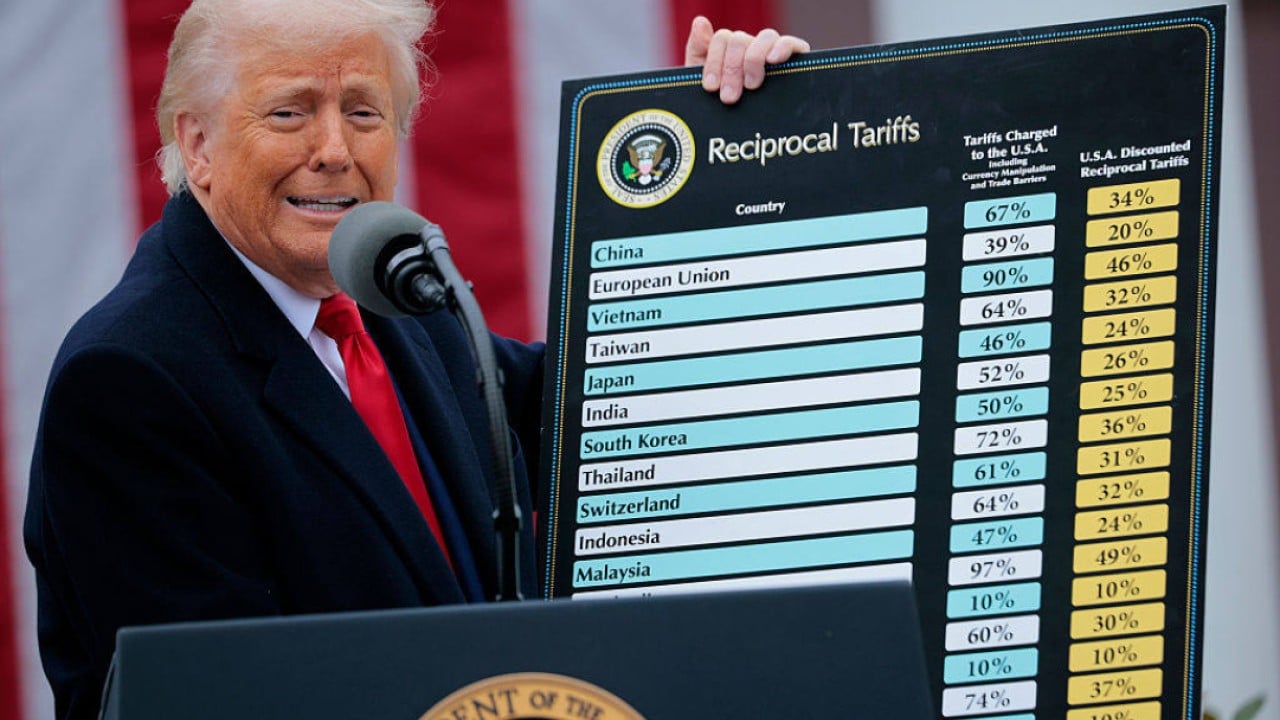
In a significant victory for financial regulators, the U.S. Supreme Court unanimously ruled 9-0 to uphold the Securities and Exchange Commission's (SEC) authority to recover illegal profits through disgorgement. This ruling, authored by Justice Neil Gorsuch, clarifies that the SEC does not need to prove victims suffered economic harm to seek such remedies. The administration is also employing Section 301 investigations to implement new tariffs, ranging from 10% to 12.5%, affecting approximately 60 trading partners. These tariffs are designed to withstand legal challenges and are linked to allegations of forced labor. Vietnam has disputed the U.S. Trade Representative's findings on forced labor, stating they do not accurately reflect the country's mitigation efforts. The U.S. has threatened a 12.5% tariff on goods from Costa Rica for similar reasons, setting a July 6 deadline for comments. Switzerland also rejects U.S. forced labor claims amid ongoing tariff talks, with the U.S. considering 12.5% tariffs on Swiss goods, potentially superseding existing 10% tariffs.
Beyond tariffs, judicial actions are impacting other Trump administration policies. A U.S. judge granted preliminary approval to a revised $38 billion settlement between Visa, Mastercard, and merchants concerning credit card swipe fees, aiming to resolve a long-standing antitrust lawsuit. Another federal judge blocked the U.S. Department of Agriculture from withholding billions in federal funds from states based on compliance with certain Trump policies, issuing a preliminary injunction sought by Democratic attorneys general. In immigration, a U.S. District Judge ordered the Trump administration to resume asylum processing and other immigration benefits for nationals of 39 countries, ruling that policies causing immigrants to be in legal limbo based on their birth country violated federal law. The administration also signed an executive order making it easier to fire approximately 8,000 federal workers, primarily senior employees influencing policy, to ensure alignment with administration priorities. The Trump administration also urged a judge to reject an effort to halt an upcoming Ultimate Fighting Championship event on the White House lawn.
Trade agreements are also a focal point, with the U.S. committed to maintaining tariff caps in trade deals with the EU and Japan, generally at 15%. However, new tariffs related to forced labor concerns could exceed these caps. The U.S., Mexico, and Canada are set to miss a July 1 deadline for renewing their trade agreement, the USMCA, potentially leading to prolonged negotiations on auto manufacturing rules and tariffs. The U.S. Department of Commerce has preliminarily determined that China and Mexico unfairly subsidize their van-type trailer industries, with countervailing duties expected to range from 82.3% to 128.7%. The Trump administration also agreed to remove endangered species protections for the dunes sagebrush lizard, settling a lawsuit filed by Texas Attorney General Ken Paxton, with the U.S. Fish and Wildlife Service to re-evaluate the lizard's status within two years. The head of U.S. Customs and Border Protection noted improving cooperation with Mexico on border security despite ongoing tensions. Finally, enforcement efforts are targeting importers accused of evading duties through tariff fraud.