Key facts
- President Donald Trump signed an executive order proposing changes to childhood vaccine schedules.
- The proposed vaccine changes include spacing out shots and separating the MMR vaccine.
- Medical experts and organizations oppose the vaccine order, citing risks and lack of scientific evidence.
- Pharmaceutical companies deem the proposed MMR vaccine separation unscientific and impractical.
- A federal judge blocked USPS mail-in voting restrictions nationwide.
- The Trump administration asked the Supreme Court to intervene in the USPS voting case.
- The Trump administration exempted U.S. companies from beneficial ownership reporting.
- This exemption rolls back requirements from a 2021 law.
- Foreign reporting companies must still disclose beneficial ownership for foreign individuals.
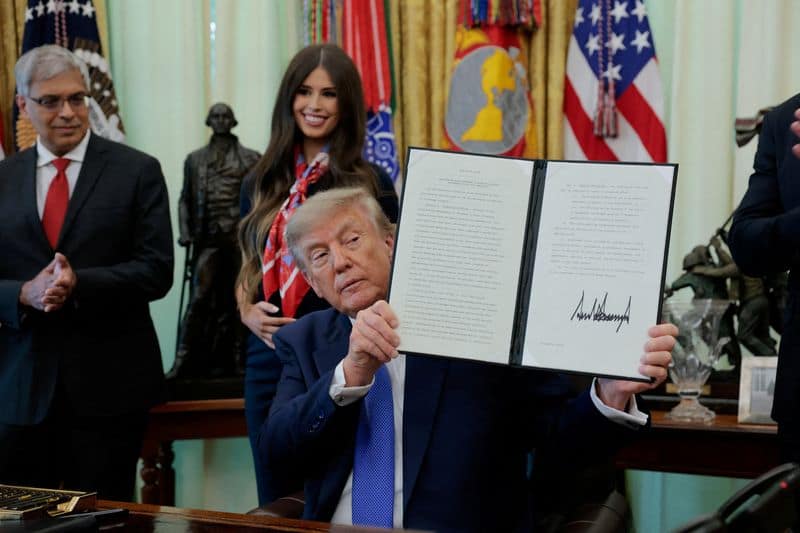
President Donald Trump has signed an executive order directing federal agencies to review and potentially revise childhood immunization schedules. This order proposes changes such as spacing out vaccine shots and separating the Measles, Mumps, and Rubella (MMR) vaccine into individual components. Medical experts and various health organizations have expressed strong opposition to this directive, arguing that it is unscientific, impractical, and could pose potential risks. They cite a lack of scientific evidence supporting such changes and emphasize that current vaccine guidelines are based on established public health recommendations and scientific consensus. Pharmaceutical companies have also voiced criticism, deeming the proposed changes unscientific.
This executive order signals a departure from standard public health practices and reflects President Trump's long-held beliefs regarding vaccine policy. The opposition from the medical community and health organizations is swift and significant, with concerns raised about the potential implications for public health and the integrity of established vaccination protocols. The administration's focus on a vaccine policy overhaul, despite expert consensus, marks a notable shift in federal approach to immunization.
In parallel developments, a federal judge has expanded an order to block the U.S. Postal Service (USPS) from implementing tighter restrictions on mail-in voting nationwide. The Trump administration has sought to intervene in this matter, asking the Supreme Court to review the decision. This legal battle over voting procedures is ongoing.
Furthermore, the Trump administration has finalized a rule that exempts U.S. companies and individuals from reporting beneficial ownership information to the Treasury Department's financial crimes unit. This exemption rolls back requirements that were established under a 2021 law. However, foreign reporting companies will still be required to disclose beneficial ownership information for foreign individuals.