Key facts
- President Lee Jae Myung called for state policies to support young people.
- Widening asset disparities are cited as a reason for the policies.
- Semiconductor and stock market booms are contributing to asset disparities.
- Younger generations lack opportunities to accumulate assets through stable jobs.
- A parliamentary committee is investigating the National Election Commission (NEC).
- The investigation concerns ballot shortages during recent local elections.
- Former and acting NEC officials appeared before the committee.
- NEC officials apologized to voters.
- The inquiry aims to address ballot shortages and prevent future issues.
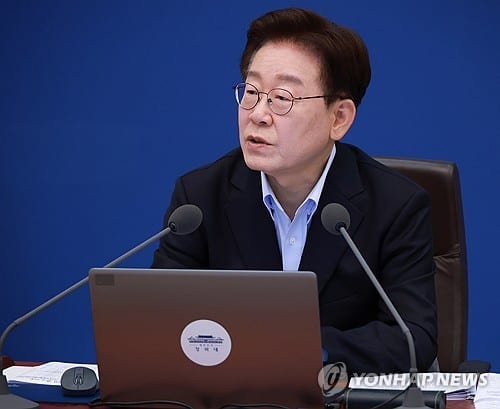
President Lee Jae Myung has called for the implementation of state policies aimed at supporting the nation's youth, pointing to widening asset disparities that have emerged as a consequence of recent booms in the semiconductor and stock markets. President Lee emphasized that younger generations are disproportionately affected, facing significant challenges in accumulating assets through stable employment opportunities. The president's remarks underscore concerns about intergenerational equity and the economic prospects of young South Koreans.
In parallel, a special parliamentary committee in South Korea has commenced an inquiry into the National Election Commission (NEC). The investigation centers on reported ballot shortages that occurred during recent local elections. Several former and acting NEC officials have been summoned to appear before the committee to provide explanations for the shortages and to offer apologies to the electorate for the disruptions. This inquiry seeks to understand the causes of the ballot issues and to prevent similar occurrences in future elections.
The dual focus on economic support for youth and electoral integrity highlights key domestic concerns within South Korea. President Lee's call for policy intervention addresses the long-term societal impact of economic inequality, particularly on younger demographics. The parliamentary committee's investigation into the NEC, on the other hand, targets immediate issues of electoral process reliability and public trust in democratic institutions. Both developments indicate a period of scrutiny and potential reform within the country's governance and economic policies.