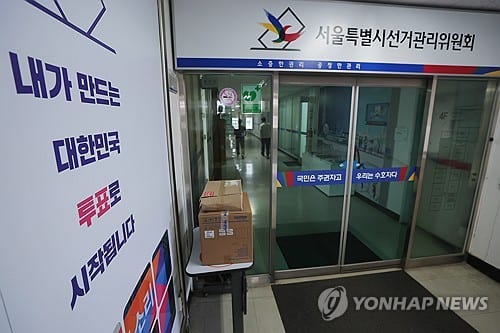
Investigators question election officials over ballot shortage
window 24h
IN SHORT
South Korea is navigating significant political and electoral developments. The government plans to abolish the prosecution's investigative rights, a move aimed at separating investigation and indictment, despite opposition concerns. Simultaneously, investigators are probing election officials over ballot shortages during the June 3 local elections, focusing on allegations of reduced ballot numbers and inadequate responses. In parallel, the Unification Minister is advocating for multilateral dialogue, including the U.S. and China, to promote peace on the Korean Peninsula.
✉Newsletter
PiQ Daily
Pick your topics. Get only what matters, on your cadence.
Who's Involved
Kim Min-seok
Prime Minister of South Korea announcing the abolition of prosecution's investigative rights
Chung Dong-young
South Korean Unification Minister advocating for multilateral dialogue on Korean Peninsula peace
National Election Commission
South Korean body being investigated for ballot shortages
South Korea
Nation undertaking electoral and political reforms
U.S.
Nation proposed to be part of a four-way dialogue for Korean Peninsula peace
China
Nation proposed to be part of a four-way dialogue for Korean Peninsula peace
1 / 3
Key facts
The South Korean government will abolish the prosecution's investigative rights.
Prime Minister Kim Min-seok announced the decision to abolish the prosecution's investigative rights.
The government aims to separate investigation and indictment.
The opposition has raised concerns about the abolition of investigative rights.
Investigators questioned two election officials on Thursday.
The questioning concerns ballot shortages during the June 3 local elections.
Allegations include the National Election Commission reducing ballot numbers.
Allegations include the National Election Commission failing to respond effectively to shortages.
Unification Minister Chung Dong-young called for multilateral dialogue on Korean Peninsula peace.
The proposal involves a four-way dialogue including the two Koreas, the U.S., and China.
International support, including from the U.S., is emphasized for peace efforts.
South Korea is currently addressing several key domestic and foreign policy issues. The government has decided to completely abolish the prosecution's investigative rights, a significant reform announced by Prime Minister Kim Min-seok. This initiative is part of the administration's broader agenda to separate the functions of investigation and indictment. However, the opposition party has voiced concerns regarding this proposed change.
In parallel, an investigation is underway concerning ballot shortages that occurred during the June 3 local elections. Two election officials were questioned on Thursday as part of this probe. The investigation centers on allegations that the National Election Commission may have reduced ballot numbers and did not adequately address shortages on election day.
Furthermore, South Korea's Unification Minister, Chung Dong-young, has reiterated his call for multilateral dialogue to achieve peace on the Korean Peninsula. He stressed the importance of international backing for this initiative, specifically mentioning the United States. The proposed framework for dialogue includes the two Koreas, the U.S., and China, aiming to foster stability and cooperation in the region.
↳ Why This Matters
South Korea is currently addressing several key domestic and foreign policy issues. The government has decided to completely abolish the prosecution's investigative rights, a significant reform announced by Prime Minister Kim Min-seok. This initiative is part of the administration's broader agenda to separate the functions of investigation and indictment. However, the opposition party has voiced concerns regarding this proposed change.
Frequently asked questions
Investigators are examining ballot shortages that occurred during the June 3 local elections and the National Election Commission's response to them.
Two election officials from the Songpa District Election Commission and nine local government officials who distributed ballots are being questioned. Twelve election commission officials were previously raided.
The NEC is accused of hastily deciding to reduce the number of printed ballots and failing to effectively address ballot shortages on election day.
Protesters demanding a rerun of the elections continue to block access to the ballot counting stadium, now for 21 days, preventing normal operations.
What Happens Next
01Investigators will continue questioning election officials and local government staff.
02The NEC is expected to cooperate in removing election-related items from the protest site.
03Protests demanding a rerun of the elections are ongoing.
Get the newsletter.
Pick the topics you actually care about. We'll email when there's news worth your time, on the cadence you choose. Cancel any time from your account.